In multiple industries, something very critical about drilling rigs is their use within the sectors, whether they are extracting natural resources or engaging in large infrastructure construction. From aqua drilling, mining, prospecting for oil, to extraction of geothermal energy. The type of rig chosen is of utmost importance. Thus, the primary classes of drilling rigs, based on drilling method, depth of well, power equipment, and driving mode are as follows, which we hope shall be an enlightening read that shall help you find the most suitable one.
Classification by Drilling Method
Drilling methods form the foundation for categorizing rigs, as they determine how the equipment interacts with the terrain.
1. Impact Drills
Impact drills utilize mechanical force to break rock and soil. Examples include wire rope impact drills and vibration drills, which are ideal for projects requiring straightforward impact methods.
2. Rotary Drills
Rotary drilling rigs rely on rotational energy to bore into the ground. They are frequently used in applications like oil and gas extraction, where precision and depth are essential.
3. Downhole Power Drilling Tools
These advanced rigs include tools such as turbine drills, screw drilling tools, and electric drills. Designed for high-performance tasks, they excel in specialized environments like deep rock drilling.
Classification by Drilling Depth
The depth of the desired borehole significantly influences the choice of a drilling rig.
1. 0-5 Meters
For shallow drilling projects, an air-leg rock drill paired with a small air compressor operating below 8 bar is sufficient. This setup is popular in small-scale mining and basic foundation work.
2. 5-15 Meters
In larger mining areas and quarries, top hammer drilling rigs dominate. Known for their efficiency and precision, these rigs excel at mid-range depths and are the go-to solution for heavy-duty mining.
3. 15-50 Meters
Open-pit down the hole drillings offer reliable performance for medium-depth projects requiring larger diameters. While slightly less efficient than top hammer rigs, DTH rigs are indispensable for demanding applications.
4. Over 50 Meters
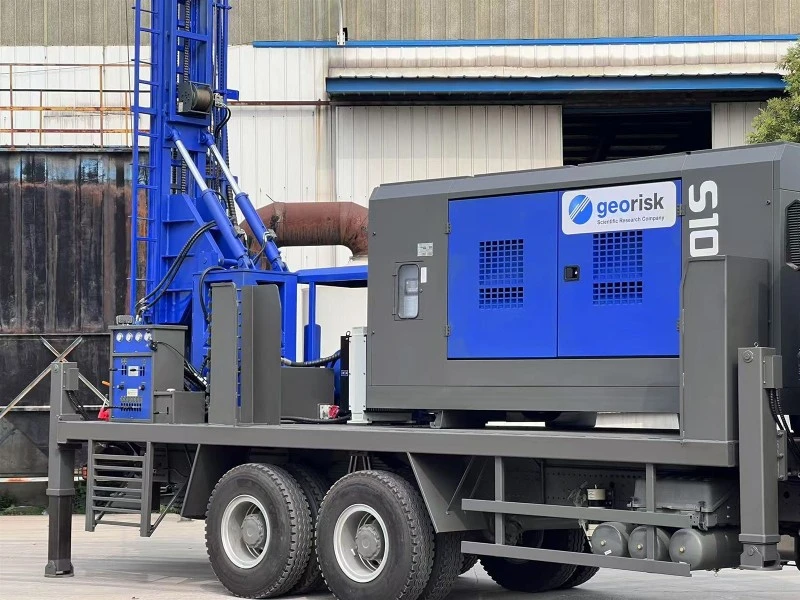
When drilling efficiency at great depths is paramount, pneumatic water well drilling equipments are the preferred choice. These machines deliver exceptional performance, especially for water well and geothermal projects.
Classification by Power Equipment
Power systems are another critical factor influencing drilling rig performance.
1. Diesel Engine Driven Rigs
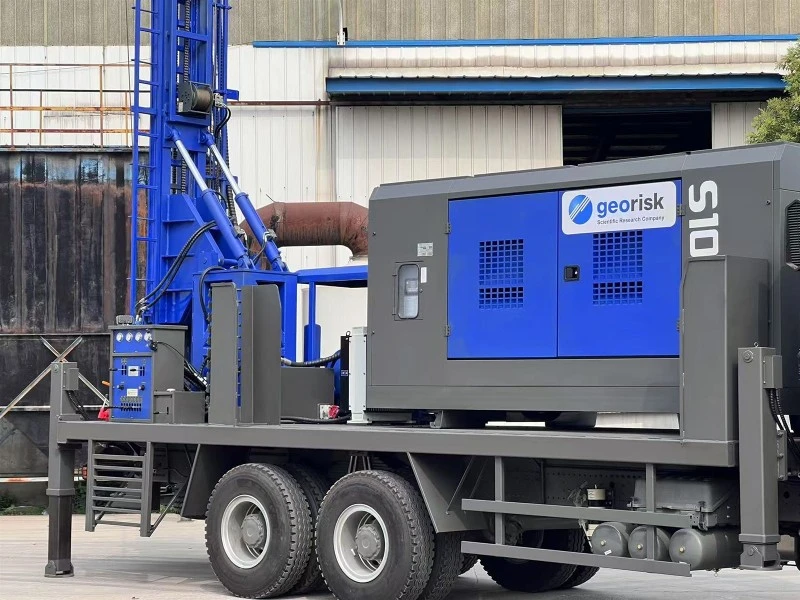
These rigs use diesel engines with either mechanical or hydraulic transmission. Their versatility makes them a reliable option for remote areas without access to electricity.
2. AC Drive Rigs
Ideal for industrial environments, AC drive rigs operate efficiently using power from industrial grids, making them a staple in oilfield applications.
3. DC Drive Rigs
With DC motors powering their operations, these rigs offer precision and adaptability, often used in specialized drilling scenarios.
Classification by Driving Mode
The way power is transmitted within a drilling rig further defines its operational efficiency.
1. Individual Drive
In this configuration, each working machine is powered separately, often via electric generators. While simple and easy to install, the low power utilization and heavy equipment weight may limit its applications.
2. Unified Drive
A unified system powers multiple components, such as winches, drilling pumps, and turntables, from a single power source. This setup ensures higher power utilization, although installation can be complex.
3. Group Drive
Positioned between individual and unified drives, group drive systems allow for flexible configurations. They enhance power efficiency and are suitable for rigs with dispersed or height-adjusted working groups.
The Role of Innovation: Split Type down the hole drilling machine
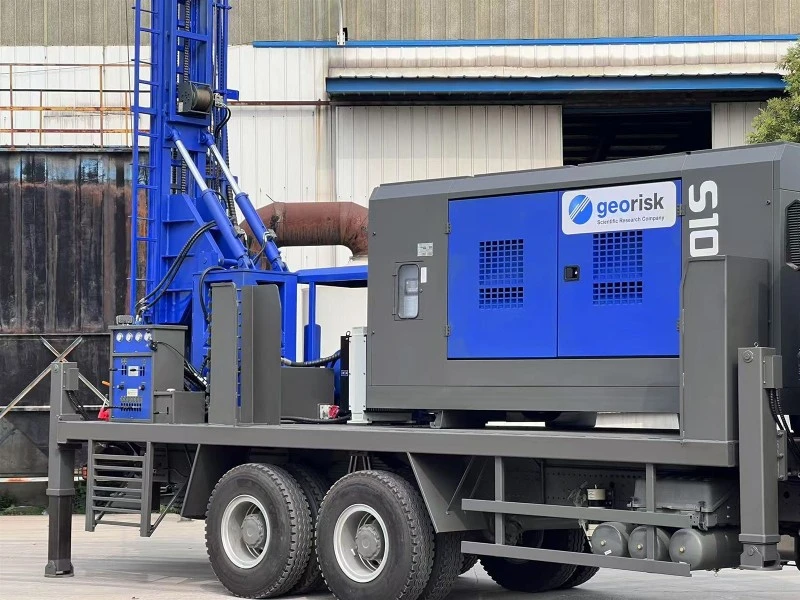
Thus, innovation is constantly updating the industry. A typical example of such innovation is mining blast-separated DTH drilling rigs, models ZGYX420 and ZGYX430, both crawlers. The rig is equipped with advanced features such as a low-speed high-torque hydraulic motor, heavy-duty hydraulic drilling arm, and 16 MPa hydraulic system. These rigs are versatile and efficient, capable of making holes with diameters of as large as 140mm. These machines have been broadly used in mining, national defense, water conservancy, and stone quarry projects.
Their compact structure, ease of maintenance, and reduced reliance on air compressors make them cost-effective solutions for modern drilling needs. These rigs also feature independent mobility, allowing them to operate efficiently without external power sources.
Conclusion
Selecting the right drilling rig depends on understanding your project's specific requirements, including the drilling method, depth, power source, and driving mode. From impact and rotary drills to advanced pneumatic rigs, the market offers a variety of options tailored to diverse needs. With the advent of modern rigs like the ZGYX series Separated Drill Rig For Blasting, industries can achieve greater efficiency and cost savings, ensuring projects are completed with precision and reliability.