Down-the-Hole (DTH) drilling rigs are indispensable equipment in mining, construction, quarrying, and water well drilling projects, especially when tackling hard rock formations. Their ability to deliver high drilling efficiency, precision, and adaptability to complex geological conditions makes them a top choice for industry professionals. When selecting a DTH drilling rig, one of the most critical decisions is choosing between split type and integrated type. Each design has unique advantages, limitations, and ideal application scenarios. This article breaks down their key differences, performance traits, and selection criteria to help you pick the right equipment for your project.
Ⅰ.What Are Split Type and Integrated DTH Drilling Rigs?
Before diving into comparisons, it's essential to understand the basic structure and working principles of each type.
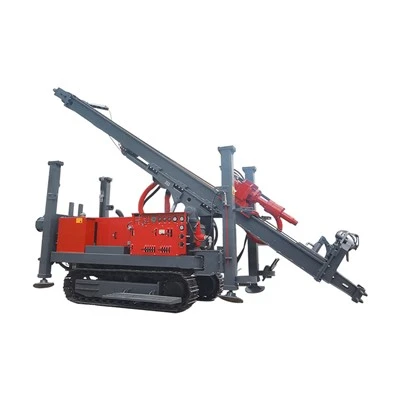
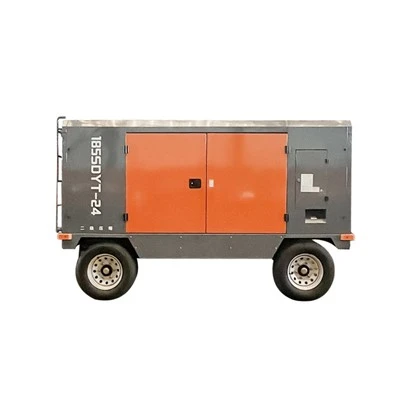
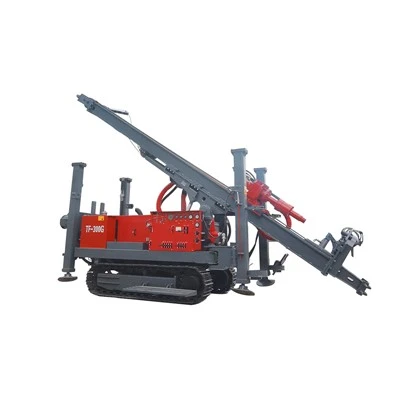
A split type DTH drilling rig consists of two separate core components: the drilling unit and an independent wheeled or tracked air compressor. The air compressor provides the necessary compressed air to power the down-the-hole hammer, while the drilling unit handles rotation, propulsion, and bit control. This design requires separate transportation and setup for the two components, which are connected via hoses during operation.
The split type is favored for its modularity, allowing flexibility in matching compressors of different capacities to the drilling unit based on project needs. It's also easier to disassemble for transportation in remote or rugged areas where large integrated equipment may struggle to access.
Integrated DTH Drilling Rig
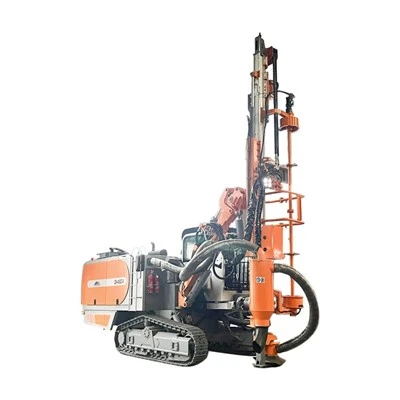
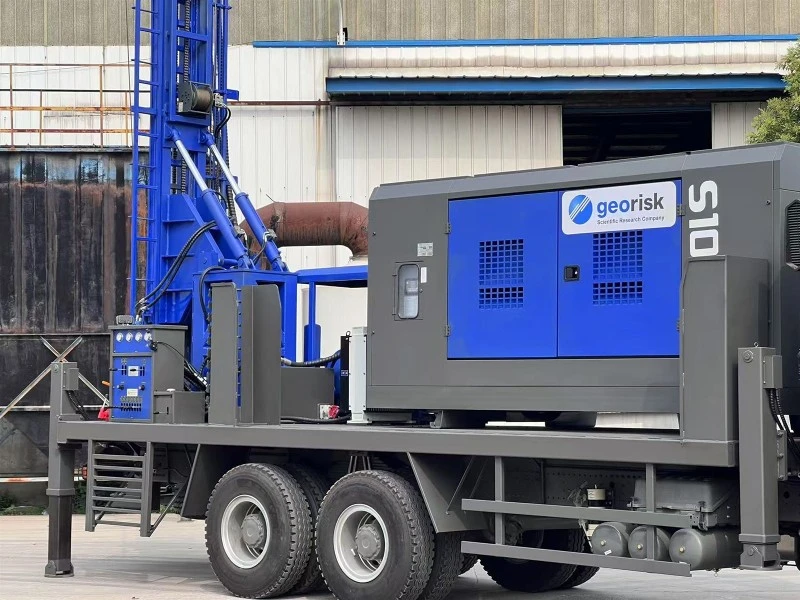
An integrated DTH drilling rig combines the drilling unit, air compressor, hydraulic system, and power source (engine) into a single, self-contained machine-typically mounted on a crawler chassis for mobility. This all-in-one design eliminates the need for separate compressor transportation and hose connections, enabling quick setup and operation.
Modern integrated rigs often feature advanced technologies such as IoT systems for remote monitoring, automatic rod-changing, and smart frequency modulation to adapt to rock hardness. They are engineered for efficiency, safety, and reduced operational complexity.
Ⅱ.Key Comparisons: Split Type vs Integrated Type
1. Mobility and Transportation
Split Type: Its modular design shines in areas with limited access, such as narrow mountain roads or remote construction sites. The separated components are lighter and easier to disassemble, transport via trucks, or even carry to hard-to-reach locations. Setup may take longer due to the need to connect hoses and align the two components, but transportation flexibility is a major advantage.
Integrated Type: Crawler-mounted integrated rigs offer excellent off-road performance and can navigate rugged terrain with a maximum climbing gradient of up to 25°. They can be moved directly between workstations without disassembly, saving time on relocation. However, their larger size and heavier weight (usually 7,000kg or more) make them less suitable for extremely narrow spaces or areas with poor road conditions. Some compact integrated models can fit into 20-foot containers to reduce transportation costs.
2. Operational Efficiency
Split Type: The efficiency of split type rigs depends on the compatibility between the drilling unit and the air compressor. Mismatched equipment can lead to insufficient air pressure, reducing drilling speed and increasing energy waste. They are generally more suitable for small to medium-sized projects with moderate drilling demands, as they lack the automated features of integrated rigs.
Integrated Type: With a single engine powering both the air compressor and hydraulic system, integrated rigs achieve better energy synchronization, resulting in higher drilling efficiency. For example, some models can reach a drilling speed of 3m/min in coal mines. Advanced features like automatic rod handling, remote parameter adjustment, and anti-jamming systems reduce auxiliary time and labor costs. They also consume 35% less fuel and cut maintenance costs by 50% compared to traditional split type rigs.
3. Adaptability to Project Conditions
Geological Conditions: Both types handle hard rock formations, but integrated rigs with high-pressure screw air compressors ensure thorough slag removal, accelerating drilling speed and reducing equipment wear. Split type rigs can be customized with larger compressors for hard rock, but this increases complexity and cost.
Drilling Requirements: Integrated rigs are ideal for deep holes (20-200m) and large diameters (75-300mm), such as mining blast holes and water well drilling. They maintain high precision with minimal drilling deviation, even in deep operations. Split type rigs are more suitable for shallow to medium-depth holes (usually under 20m) and smaller diameters, making them a cost-effective choice for small-scale construction or geological exploration.
Work Environment: Integrated rigs excel in large-scale, long-term projects like open-pit mining and highway construction, where mobility and efficiency are critical. Split type rigs are preferred for remote, small-batch projects or areas with strict transportation restrictions, such as mountainous geological surveys.
4. Maintenance and Cost
Split Type: Maintenance is simpler due to its modular design-components can be serviced or replaced individually without disassembling the entire machine. The initial purchase cost is lower, making it accessible for small contractors. However, long-term costs may be higher due to inefficient energy use and potential compatibility issues.
Integrated Type: The all-in-one design requires specialized maintenance for integrated systems, and wear parts (e.g., drill bits, hydraulic components) may need regular replacement. The initial investment is higher, but lower fuel consumption, reduced labor costs, and higher efficiency lead to better long-term ROI for large projects. Some models come with IoT systems for predictive maintenance, minimizing downtime.
Ⅲ.Which One Is Right for Your Project?
Choose Split Type If:
Your project is in a remote area with limited transportation access or narrow spaces.
You need a cost-effective solution for small to medium-scale projects with shallow to medium-depth drilling requirements.
You prefer modular flexibility to match different compressors based on changing project needs.
Choose Integrated Type If:
You're working on large-scale projects (e.g., open-pit mining, highway construction) that demand high efficiency and fast relocation.
Deep-hole (over 20m) or large-diameter drilling is required, especially in hard rock formations.
You prioritize operational safety, automation, and long-term cost savings through energy efficiency.
Conclusion
There is no one-size-fits-all answer to whether split type or integrated DTH drilling rigs are better- the choice depends on your project's specific needs, including location, scale, drilling requirements, and budget. Split type rigs offer flexibility and cost-effectiveness for small, remote projects, while integrated rigs deliver efficiency, automation, and performance for large-scale, demanding operations.
Before making a decision, evaluate your project's geological conditions, transportation limitations, and long-term goals. Consulting with equipment manufacturers to customize solutions based on your needs can also help maximize productivity and ROI. Whether you choose split or integrated, a well-matched DTH drilling rig is key to overcoming challenging drilling tasks and ensuring project success.
Not sure which model fits your drilling project?
Tell us:
• Drilling depth
• Rock formation
• Air compressor (if any)
📩 WhatsApp / Email - We reply within 12 hours.