Hey there! As a supplier of rock drilling equipment, I've been getting a lot of questions lately about the heat - dissipation design of our gear. So, I thought I'd take some time to break it down for you.
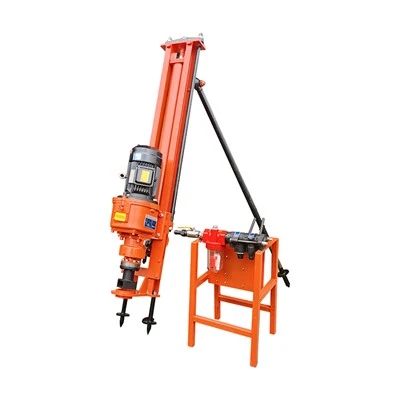
First off, why is heat dissipation so important in rock drilling equipment? Well, when our pneumatic air leg rock drill pneumatic air leg rock drill or other types of drills are in action, they generate a ton of heat. This heat comes from the friction between the drill bit and the rock, as well as the internal workings of the machine. If this heat isn't properly managed, it can cause all sorts of problems. For one, it can lead to premature wear and tear on the equipment. The high temperatures can make the metal parts expand, which might lead to misalignments or even breakages. Also, overheating can reduce the efficiency of the equipment. A drill that's too hot won't be able to perform at its best, and that means slower drilling times and more energy consumption.
So, how do we deal with this heat issue? One of the most common methods we use is air cooling. Many of our small down the hole drilling small down the hole drilling machines are designed with air - cooling systems. These systems work by using fans or the natural flow of air to carry away the heat. We've designed the exterior of the equipment in such a way that it allows for maximum air circulation. There are fins and vents all over the body of the drill. The fins increase the surface area of the machine, which helps in dissipating heat more effectively. The vents, on the other hand, let the hot air escape and fresh air come in.
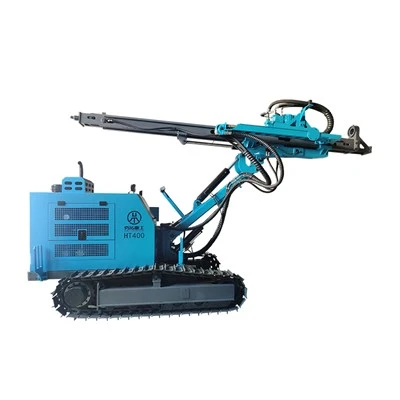
Another method is liquid cooling. In some of our more heavy - duty rock drilling equipment, we use a liquid - cooling system. This involves circulating a coolant, usually water or a special coolant fluid, through the machine. The coolant absorbs the heat from the hot parts of the drill and then transfers it to a radiator, where it's dissipated into the air. Liquid cooling is often more efficient than air cooling, especially for high - powered drills that generate a large amount of heat. But it also comes with its own set of challenges. For example, the coolant needs to be regularly checked and refilled, and there's always a risk of leaks.
Now, let's talk about the heat - dissipation design of our mini pneumatic drill mini pneumatic drill. These little guys are great for small - scale projects, but they still need proper heat management. Since they're smaller in size, we've had to get creative with their design. We've used a combination of air - cooling and heat - conducting materials. The body of the drill is made from a material that conducts heat well, so the heat can quickly move from the internal parts to the exterior. And then, the air - cooling system takes over to carry the heat away.
We also pay a lot of attention to the internal layout of our rock drilling equipment. By carefully arranging the components, we can ensure that the heat is evenly distributed. This prevents hot spots from forming, which can be really damaging to the equipment. For example, we place the heat - generating parts, like the motors and the drill bits, in areas where they can be easily cooled. And we make sure there's enough space between the components to allow for air flow.
In addition to the physical design, we also use advanced control systems to monitor and manage the temperature of our equipment. These systems can detect when the temperature is getting too high and take action to cool it down. For example, they might increase the speed of the fans in an air - cooling system or adjust the flow rate of the coolant in a liquid - cooling system.
Now, you might be wondering how all these heat - dissipation designs affect the performance of our rock drilling equipment. Well, let me tell you, they make a huge difference. Thanks to our well - thought - out heat - dissipation designs, our drills can operate at peak performance for longer periods of time. They're more reliable, which means less downtime for maintenance and repairs. And they're also more energy - efficient, which can save you a lot of money in the long run.
If you're in the market for rock drilling equipment, you want to make sure that the heat - dissipation design is up to par. A drill with a poor heat - dissipation system might seem cheaper at first, but it'll end up costing you more in the long run due to frequent breakdowns and higher energy bills.
We're really proud of the heat - dissipation designs we've developed for our rock drilling equipment. We've spent a lot of time and effort researching and testing different methods to make sure that our drills can handle the heat. And we're constantly looking for ways to improve. Whether you're working on a small DIY project or a large - scale construction site, we've got the right rock drilling equipment for you.
If you're interested in learning more about our products or have any questions about heat - dissipation design, don't hesitate to reach out. We're here to help you find the perfect rock drilling solution for your needs. Whether you need a pneumatic air leg rock drill, a small down the hole drilling machine, or a mini pneumatic drill, we've got you covered. Let's start a conversation and see how we can work together to get your drilling projects done efficiently and effectively.


References
- Industry research on rock drilling equipment heat management
- Internal product development reports on heat - dissipation design