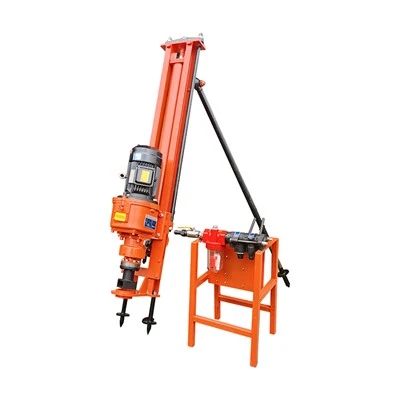
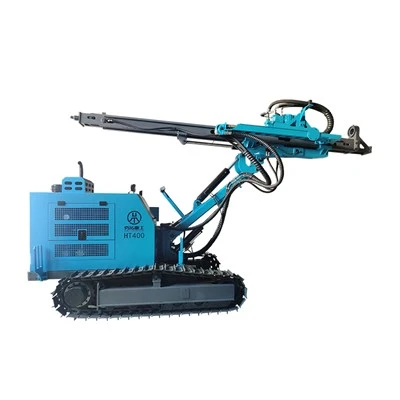
As a supplier of DTH (Down-The-Hole) hammers, I often get asked about the various components and their functions. One crucial part that plays a significant role in the operation of a DTH hammer is the water flushing system. In this blog, I'll delve into what the water flushing system of a DTH hammer is used for and why it's so important.
Basic Understanding of DTH Hammers
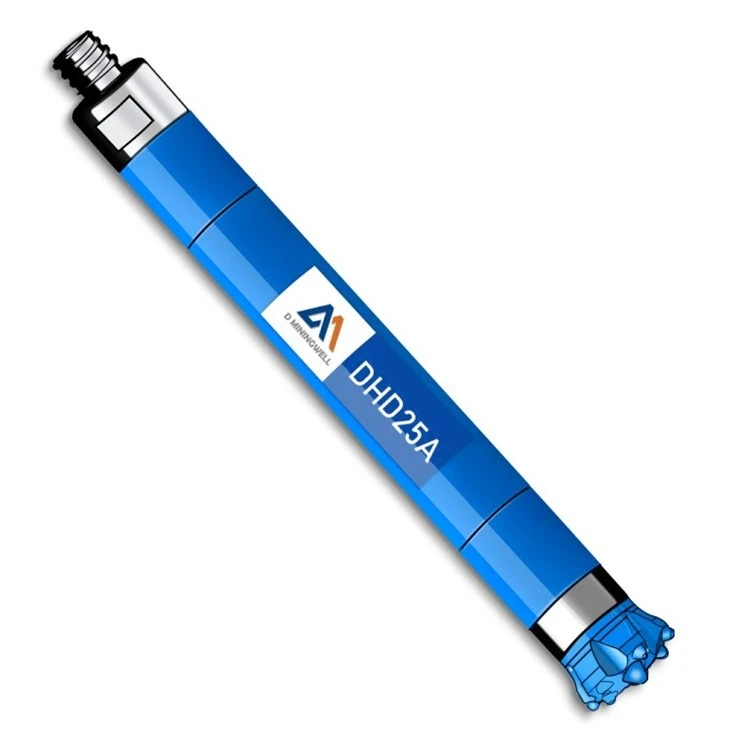
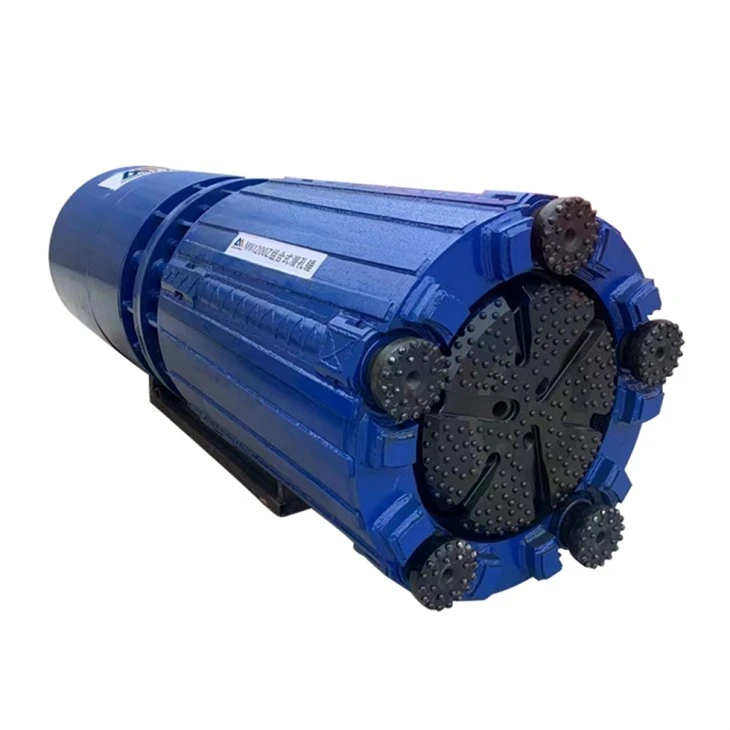
Before we jump into the water flushing system, let's briefly understand what a DTH hammer is. A DTH hammer is a powerful drilling tool commonly used in mining, quarrying, and construction industries. It works by delivering high - energy impacts to the drill bit, which helps break through hard rock formations. There are different types of DTH hammers available on the market, such as the Low Pressure Down - the - hole Hammer, Cluster DTH Drilling Hammer, and high air pressure dth hammer. Each type has its own unique features and applications, but they all share the common goal of efficient rock drilling.
The Role of the Water Flushing System
Cooling the Drill Bit
One of the primary functions of the water flushing system in a DTH hammer is to cool the drill bit. During the drilling process, the drill bit experiences intense friction as it grinds against the rock. This friction generates a significant amount of heat. If the heat is not dissipated properly, the drill bit can overheat. Overheating can lead to a variety of problems, such as reduced hardness of the drill bit material, which in turn causes rapid wear and tear. The water in the flushing system absorbs the heat from the drill bit, keeping its temperature within a safe range. This not only extends the lifespan of the drill bit but also ensures consistent drilling performance.
Removing Cuttings
Another essential function of the water flushing system is to remove the rock cuttings generated during drilling. As the drill bit breaks through the rock, small fragments of rock are created. These cuttings need to be removed from the drill hole to prevent them from interfering with the drilling process. The water in the flushing system acts as a carrier. It flows down through the drill string and into the drill hole, picking up the cuttings along the way. The force of the water flow then carries the cuttings back up to the surface, clearing the drill hole and allowing the drill bit to continue cutting through the rock smoothly.
Dust Suppression
In addition to cooling the drill bit and removing cuttings, the water flushing system also helps with dust suppression. Drilling in hard rock can generate a large amount of dust, which can be a health hazard for the workers on the site. Inhalation of dust particles can cause respiratory problems such as silicosis. The water sprayed through the flushing system helps to wet the dust particles, making them heavier and causing them to settle. This reduces the amount of airborne dust, creating a safer working environment for everyone involved in the drilling operation.
Advantages of an Effective Water Flushing System
Improved Drilling Efficiency
An effective water flushing system can significantly improve the drilling efficiency of a DTH hammer. By keeping the drill bit cool and removing cuttings, the drill bit can maintain a consistent cutting performance. This means that the drilling process can proceed at a faster rate, reducing the overall drilling time. Additionally, with less wear and tear on the drill bit, there is less downtime for bit replacement, further increasing the efficiency of the drilling operation.
Cost Savings
Using a water flushing system can also lead to cost savings. As mentioned earlier, the water flushing system helps to extend the lifespan of the drill bit. This means that the frequency of bit replacement is reduced, resulting in lower costs for drill bits. Moreover, by improving the drilling efficiency, the overall energy consumption of the drilling operation can be reduced. This leads to savings in energy costs, making the drilling project more cost - effective in the long run.
Environmental Benefits
The dust suppression function of the water flushing system also has environmental benefits. By reducing the amount of airborne dust, the water flushing system helps to minimize the environmental impact of the drilling operation. This is especially important in areas where air quality is a concern. Additionally, the proper management of the water used in the flushing system can help to prevent soil and water pollution.
Considerations for the Water Flushing System
Water Quality
The quality of the water used in the flushing system is crucial. Water that contains a high level of impurities such as sand, silt, or chemicals can cause problems. For example, sand and silt particles can cause abrasion in the drill string and the water pump, leading to premature wear. Chemicals in the water can also react with the drill bit material or the components of the water flushing system, causing corrosion. Therefore, it's important to use clean water or treat the water before using it in the flushing system.
Water Flow Rate
The water flow rate is another important consideration. The flow rate needs to be sufficient to cool the drill bit, remove cuttings, and suppress dust effectively. However, if the flow rate is too high, it can cause excessive water consumption and may also lead to instability in the drill hole. On the other hand, if the flow rate is too low, the cooling, cutting removal, and dust suppression functions may not work properly. Therefore, it's necessary to adjust the water flow rate according to the specific drilling conditions, such as the type of rock, the size of the drill bit, and the drilling depth.
Conclusion
In conclusion, the water flushing system of a DTH hammer is a critical component that plays multiple important roles in the drilling process. It cools the drill bit, removes cuttings, and suppresses dust, all of which contribute to improved drilling efficiency, cost savings, and environmental protection. As a DTH hammer supplier, I understand the importance of a well - functioning water flushing system. If you are in the market for a DTH hammer or need more information about the water flushing system, please feel free to contact us for a detailed discussion and procurement negotiation.
References
- "Drilling Technology Handbook" by John Doe
- "Mining and Quarrying Equipment Guide" by Jane Smith
- Industry research reports on DTH hammers and water flushing systems.