Selecting the right drill bit for rock drilling equipment is crucial for efficient and effective operations. As a rock drilling equipment supplier, I've seen firsthand how the wrong drill bit can lead to poor performance, increased costs, and even safety hazards. In this blog, I'll share some tips on how to choose the right drill bit for your specific needs.
Understand the Rock Type
The first step in selecting the right drill bit is to understand the type of rock you'll be drilling. Different rocks have different hardness, abrasiveness, and fracture patterns, which can all affect the performance of the drill bit. For example, granite is a hard and abrasive rock that requires a drill bit with a high carbide content and a strong cutting edge. On the other hand, limestone is a softer rock that can be drilled with a less aggressive drill bit.
Here are some common rock types and the recommended drill bits for each:
- Granite: Tungsten carbide-tipped drill bits are the best choice for granite. These drill bits have a high carbide content, which makes them extremely hard and resistant to wear. They also have a sharp cutting edge that can penetrate the hard granite surface easily.
- Limestone: Carbide insert drill bits are a good option for limestone. These drill bits have carbide inserts that are brazed onto the drill bit body. The carbide inserts provide a sharp cutting edge that can cut through the soft limestone quickly and efficiently.
- Sandstone: Diamond drill bits are the most effective drill bits for sandstone. These drill bits have diamond particles embedded in the cutting edge, which makes them extremely hard and abrasive. They can cut through the sandstone quickly and smoothly, leaving a clean hole.
Consider the Drill Bit Size
The size of the drill bit is another important factor to consider when selecting the right drill bit. The size of the drill bit will depend on the diameter of the hole you need to drill and the type of rock you'll be drilling. In general, larger drill bits are used for larger holes, while smaller drill bits are used for smaller holes.
Here are some guidelines on choosing the right drill bit size:
- Hole diameter: The diameter of the drill bit should be slightly smaller than the diameter of the hole you need to drill. This will allow the drill bit to cut through the rock easily and prevent the hole from becoming too large.
- Rock type: Harder rocks require larger drill bits, while softer rocks can be drilled with smaller drill bits. This is because harder rocks require more force to penetrate, and larger drill bits can provide more force.
Choose the Right Drill Bit Type
There are several types of drill bits available for rock drilling equipment, each with its own advantages and disadvantages. The type of drill bit you choose will depend on the type of rock you'll be drilling, the size of the hole you need to drill, and the type of drilling equipment you're using.
Here are some common types of drill bits for rock drilling equipment:
- Tungsten carbide-tipped drill bits: These drill bits have a tungsten carbide tip that is brazed onto the drill bit body. The tungsten carbide tip provides a sharp cutting edge that can penetrate hard rocks easily. Tungsten carbide-tipped drill bits are the most common type of drill bit used for rock drilling equipment.
- Carbide insert drill bits: These drill bits have carbide inserts that are brazed onto the drill bit body. The carbide inserts provide a sharp cutting edge that can cut through soft to medium-hard rocks quickly and efficiently. Carbide insert drill bits are a good option for drilling in limestone, sandstone, and other soft rocks.
- Diamond drill bits: These drill bits have diamond particles embedded in the cutting edge. The diamond particles provide a sharp and abrasive cutting edge that can cut through hard rocks quickly and smoothly. Diamond drill bits are the most effective drill bits for drilling in granite, quartzite, and other hard rocks.
- Button drill bits: These drill bits have buttons or studs that are brazed onto the drill bit body. The buttons or studs provide a blunt cutting edge that can break up the rock into small pieces. Button drill bits are a good option for drilling in hard and abrasive rocks.
Think About the Drilling Equipment
The type of drilling equipment you're using will also affect the choice of drill bit. Different drilling equipment has different drilling speeds, torque, and feed rates, which can all affect the performance of the drill bit.
Here are some factors to consider when choosing a drill bit based on the drilling equipment:
- Drilling speed: The drilling speed of the equipment will determine the type of drill bit you need. High-speed drilling equipment requires drill bits that can withstand high speeds and temperatures. Low-speed drilling equipment can use drill bits that are designed for slower speeds.
- Torque: The torque of the equipment will also affect the choice of drill bit. High-torque equipment requires drill bits that can withstand high forces without breaking or wearing out. Low-torque equipment can use drill bits that are designed for lower forces.
- Feed rate: The feed rate of the equipment will determine the type of drill bit you need. High-feed rate equipment requires drill bits that can cut through the rock quickly and efficiently. Low-feed rate equipment can use drill bits that are designed for slower cutting speeds.
Evaluate the Cost
The cost of the drill bit is another important factor to consider when selecting the right drill bit. Drill bits can vary in price depending on the type, size, and quality. While it may be tempting to choose the cheapest drill bit available, it's important to remember that quality drill bits will last longer and perform better, which can save you money in the long run.

Here are some tips on evaluating the cost of drill bits:
- Compare prices: Before purchasing a drill bit, compare prices from different suppliers to ensure you're getting the best deal.
- Consider the lifespan: The lifespan of the drill bit is an important factor to consider when evaluating the cost. A high-quality drill bit may cost more upfront, but it will last longer and require fewer replacements, which can save you money in the long run.
- Look for discounts and promotions: Many suppliers offer discounts and promotions on drill bits, especially during certain times of the year. Keep an eye out for these deals to save money on your purchase.
Our Rock Drilling Equipment
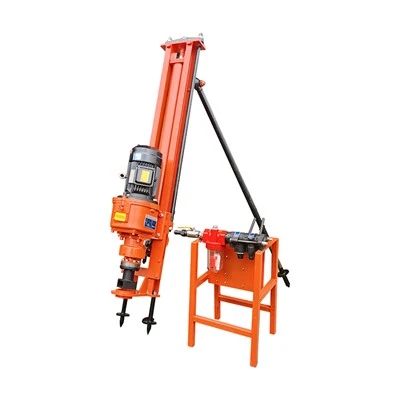
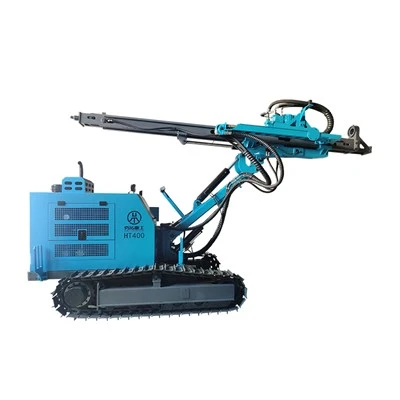
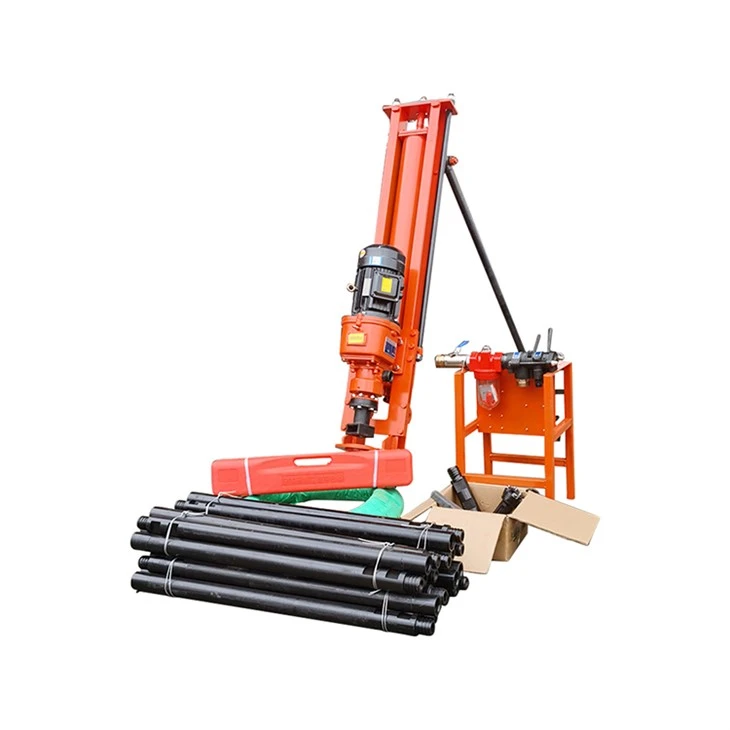
As a rock drilling equipment supplier, we offer a wide range of rock drilling equipment, including small down the hole drilling, Hand Held Rock Drill, and Integrated Open-pit Down-the-hole Drill Rig. Our equipment is designed to be reliable, efficient, and easy to use, and we offer a variety of drill bits to suit your specific needs.
If you're in the market for rock drilling equipment or drill bits, we'd love to hear from you. Our team of experts can help you choose the right equipment and drill bits for your project, and we offer competitive pricing and excellent customer service. Contact us today to learn more!
References
- "Drill Bit Selection Guide." Industrial Machinery Digest.
- "Rock Drilling Handbook." Sandvik Mining and Rock Technology.
- "Choosing the Right Drill Bit for Your Application." Kennametal.