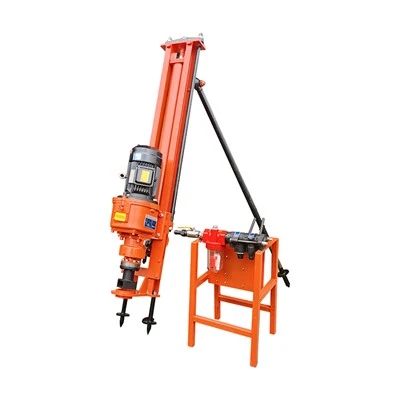
As a supplier of pneumatic air leg rock drills, I've often been asked about the vibration level of these powerful tools. Understanding the vibration level is crucial not only for the performance of the equipment but also for the safety and well - being of the operators. In this blog, I'll delve into what the vibration level of a pneumatic air leg rock drill is, why it matters, and how we, as a supplier, ensure that our products meet the required standards.
What is Vibration Level?
Vibration level refers to the magnitude of vibrations produced by a machine. In the case of a pneumatic air leg rock drill, these vibrations are generated during the drilling process as the drill bit strikes the rock surface repeatedly. The vibration level is typically measured in terms of acceleration, usually expressed in meters per second squared (m/s²). It can be measured in different axes (e.g., X, Y, and Z) to get a comprehensive understanding of the vibration characteristics of the rock drill.
Why Does Vibration Level Matter?
Operator Safety
High vibration levels can have a significant impact on the health of the operators. Prolonged exposure to excessive vibrations can lead to a condition known as Hand - Arm Vibration Syndrome (HAVS). Symptoms of HAVS include numbness, tingling, and loss of grip strength in the hands and fingers. In severe cases, it can cause permanent damage to the blood vessels, nerves, and joints in the hands. By controlling the vibration level of our pneumatic air leg rock drills, we aim to protect our customers from these potential health risks.
Equipment Performance
Vibration can also affect the performance and lifespan of the rock drill itself. Excessive vibrations can cause premature wear and tear of the drill components, such as the piston, drill bit, and air leg. This can lead to frequent breakdowns, increased maintenance costs, and reduced productivity. By maintaining an optimal vibration level, we ensure that our rock drills operate smoothly and efficiently, providing our customers with a reliable and long - lasting solution.
Factors Affecting the Vibration Level of Pneumatic Air Leg Rock Drills
Design and Construction
The design and construction of the rock drill play a crucial role in determining its vibration level. At our company, we use advanced engineering techniques and high - quality materials to minimize vibrations. For example, we incorporate vibration - damping features in the drill body and air leg to absorb and reduce the transmission of vibrations to the operator. Additionally, our drill bits are carefully designed to provide a smooth and efficient cutting action, which helps to reduce the impact forces and, consequently, the vibration level.
Air Pressure
The air pressure supplied to the rock drill also affects the vibration level. If the air pressure is too high, it can cause the drill to operate at a higher speed and generate more vibrations. On the other hand, if the air pressure is too low, the drill may not perform effectively, leading to inconsistent drilling and increased vibrations. We recommend that our customers follow the manufacturer's guidelines for the optimal air pressure to ensure the best performance and lowest vibration level.
Rock Type
The type of rock being drilled can also have an impact on the vibration level. Harder rocks require more force to drill, which can result in higher vibration levels. Softer rocks, on the other hand, are easier to drill and generally produce less vibration. When selecting a pneumatic air leg rock drill, it's important to consider the type of rock that will be drilled to ensure that the drill is suitable for the application.
Measuring and Controlling Vibration Level
Measuring
To accurately measure the vibration level of our pneumatic air leg rock drills, we use specialized vibration measurement equipment. This equipment can measure the acceleration of the vibrations in different axes and provide detailed data on the vibration characteristics of the drill. By regularly testing our products, we can ensure that they meet the relevant national and international standards for vibration levels.
Controlling
There are several ways to control the vibration level of a pneumatic air leg rock drill. One of the most effective methods is to use vibration - isolating materials and components. For example, we use rubber mounts and shock absorbers in our drills to reduce the transmission of vibrations to the operator. Additionally, we offer training to our customers on how to operate the rock drills correctly to minimize vibrations. This includes proper handling techniques, such as holding the drill firmly and maintaining a stable drilling position.
Our Product Range and Vibration Control
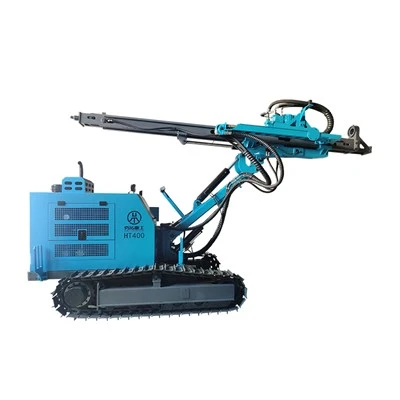
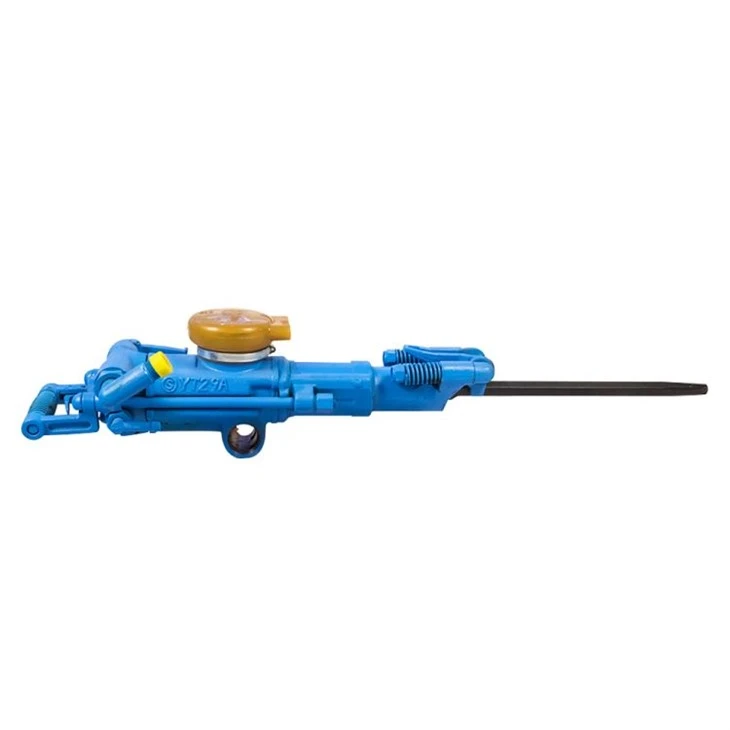
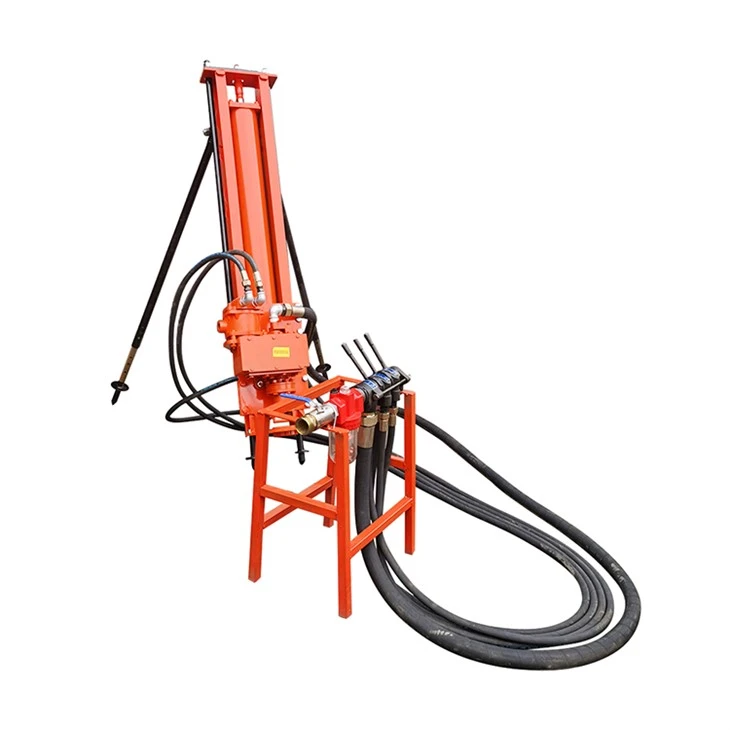
In addition to our pneumatic air leg rock drills, we also offer a wide range of other rock drilling equipment, such as hand held rock drilling equipment, Integrated Open - pit Down - the - hole Drill Rig, and small down the hole drilling. All of our products are designed with vibration control in mind to ensure the safety and comfort of our customers.
We understand that every customer has unique requirements, and we are committed to providing customized solutions. Whether you need a rock drill for a small - scale construction project or a large - scale mining operation, we can help you find the right equipment with the optimal vibration level.
Contact Us for Purchase and Discussion
If you are interested in our pneumatic air leg rock drills or any other rock drilling equipment, we encourage you to contact us for further discussion. Our team of experts is always ready to answer your questions, provide technical support, and help you select the most suitable product for your needs. We believe that by working together, we can achieve the best results in your drilling projects while ensuring the safety and well - being of your operators.
References
- International Organization for Standardization. (ISO 5349 - 1:2001). Mechanical vibration - Measurement and evaluation of human exposure to hand - transmitted vibration - Part 1: General requirements.
- European Union. (Directive 2002/44/EC). Council Directive 2002/44/EC of 25 June 2002 on the minimum health and safety requirements regarding the exposure of workers to the risks arising from physical agents (vibration).