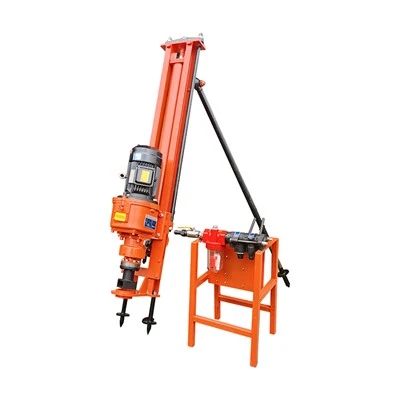
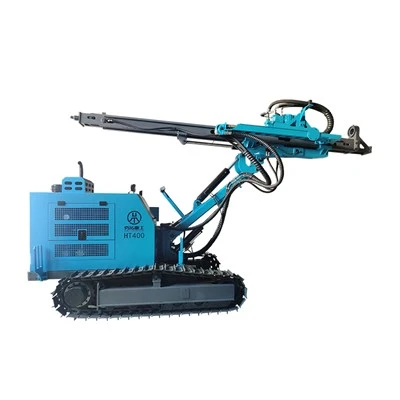
Operating a winch in down the hole (DTH) drilling is a critical task that requires precision, knowledge, and adherence to safety protocols. As a well - established DTH drilling supplier, I've witnessed firsthand the importance of proper winch operation in ensuring efficient and safe drilling operations. In this blog, I'll share some key insights on how to operate the winch in DTH drilling.
Understanding the Winch in DTH Drilling
Before delving into the operation, it's essential to understand the role of the winch in DTH drilling. The winch is a mechanical device that uses a drum to wind and unwind a cable or rope. In DTH drilling, the winch is primarily used for hoisting and lowering the drill string, which consists of drill pipes, a drill bit, and other components. It also helps in handling the heavy equipment involved in the drilling process, such as the DTH hammer.
Pre - operation Checks
- Inspection of the Winch
- Before starting any operation, conduct a thorough visual inspection of the winch. Check for any signs of damage, such as cracks in the drum, loose bolts, or frayed cables. A damaged winch can pose a significant safety risk and may lead to equipment failure during drilling.
- Inspect the brakes of the winch. The brakes are crucial for controlling the movement of the cable and ensuring the safety of the drill string. Make sure the brakes are in good working condition and can hold the load securely.
- Cable Inspection
- Examine the cable for wear and tear. Look for signs of corrosion, kinks, or broken strands. A worn - out cable can break under the stress of hoisting the drill string, which can cause serious accidents. If the cable shows significant damage, it should be replaced immediately.
- Check the cable tension. Proper cable tension is essential for smooth operation. An overly loose cable can cause it to slip on the drum, while an overly tight cable can put excessive stress on the winch components.
- Power and Control Systems
- Ensure that the winch is properly connected to a reliable power source. If it's an electric winch, check the electrical connections for any signs of damage or loose wires. For hydraulic winches, inspect the hydraulic hoses and fittings for leaks.
- Test the control system of the winch. Make sure the controls are responsive and that you can easily operate the winch in both the hoisting and lowering directions.
Operating the Winch
- Positioning the Winch
- Place the winch in a stable and level position. A stable base is essential to prevent the winch from tipping over during operation. If the winch is mounted on a drilling rig, ensure that the rig is properly leveled and secured.
- Position the winch in such a way that the cable can run freely without any obstructions. Avoid sharp bends or kinks in the cable path, as this can cause premature wear on the cable.
- Loading the Cable
- When loading the cable onto the drum, make sure it is wound evenly. Start by guiding the cable onto the drum in a smooth and continuous manner. Avoid overlapping the cable layers, as this can cause uneven tension and increase the risk of cable damage.
- As the cable is being wound, ensure that it is properly seated in the grooves of the drum. This helps to prevent the cable from slipping and ensures a more efficient operation.
- Hoisting the Drill String
- Before hoisting the drill string, make sure all the connections are secure. Check that the drill pipes are properly threaded together and that the drill bit is firmly attached.
- Slowly start the winch to begin hoisting the drill string. Use the controls to maintain a steady and controlled speed. Avoid sudden starts or stops, as this can cause the drill string to swing or jerk, which can be dangerous.
- Monitor the winch's load capacity. Do not exceed the rated load of the winch, as this can lead to equipment failure. If the load seems too heavy, re - evaluate the situation and make any necessary adjustments, such as reducing the length of the drill string.
- Lowering the Drill String
- When lowering the drill string, use the winch's brakes to control the speed. Lower the drill string slowly and steadily to prevent it from hitting the bottom of the hole too hard.
- Continuously monitor the cable tension during the lowering process. If the cable tension becomes too high or too low, adjust the winch operation accordingly.
- As the drill string approaches the bottom of the hole, slow down the lowering speed to avoid any impact damage.
Safety Precautions
- Personal Protective Equipment (PPE)
- Always wear appropriate PPE when operating the winch. This includes safety glasses, hard hats, gloves, and steel - toed boots. PPE helps to protect you from potential hazards, such as flying debris or accidental contact with moving parts.
- Clear the Area
- Keep the area around the winch clear of any unnecessary personnel. Ensure that there are no obstacles in the path of the cable or the drill string. This reduces the risk of accidents and allows for a more efficient operation.
- Emergency Stop
- Familiarize yourself with the location of the emergency stop button on the winch. In case of an emergency, such as a cable break or a malfunction, you can quickly stop the winch to prevent further damage or injury.
Maintenance of the Winch
- Regular Lubrication
- Lubricate the moving parts of the winch regularly. This includes the drum, gears, and bearings. Proper lubrication reduces friction and wear, extending the lifespan of the winch.
- Use the recommended lubricant for the winch. Refer to the manufacturer's manual for the correct type and frequency of lubrication.
- Cleaning
- Keep the winch clean to prevent the buildup of dirt, dust, and debris. A dirty winch can affect its performance and may cause premature wear on the components. Use a clean cloth or a brush to remove any dirt from the winch.
- Periodic Inspections
- Conduct periodic inspections of the winch in addition to the pre - operation checks. These inspections should be more comprehensive and may involve disassembling some parts of the winch for a detailed examination. Follow the manufacturer's recommended inspection schedule.
Choosing the Right Winch for DTH Drilling
When selecting a winch for DTH drilling, consider the following factors:
- Load Capacity
- Determine the maximum load that the winch will need to handle. This includes the weight of the drill string, the drill bit, and any additional equipment. Choose a winch with a load capacity that exceeds the expected maximum load to ensure safety and reliability.
- Speed and Power
- Consider the required hoisting and lowering speed. Different drilling operations may require different speeds. Also, ensure that the winch has sufficient power to operate efficiently under the given conditions.
- Compatibility
- Make sure the winch is compatible with your DTH drilling rig. Check the mounting requirements and the control systems to ensure seamless integration.
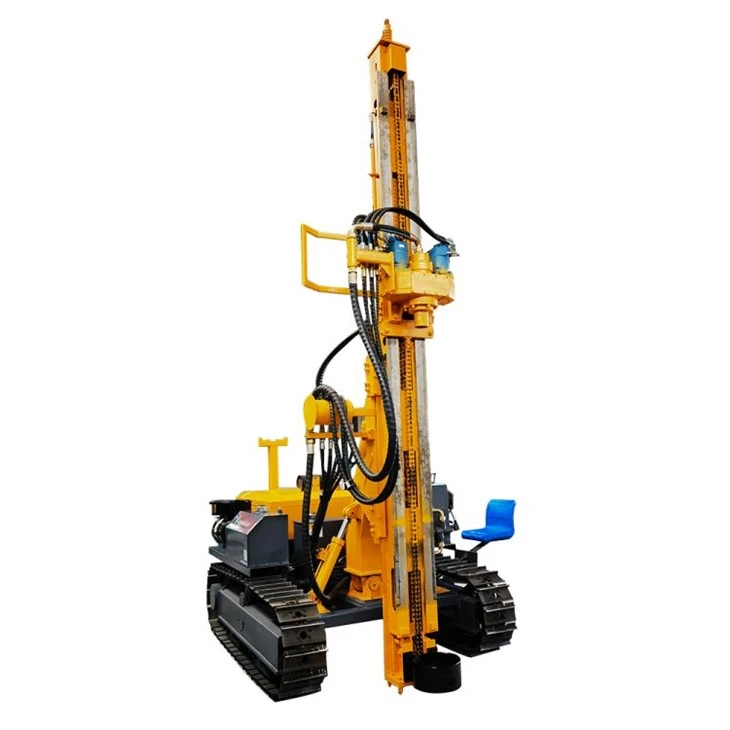
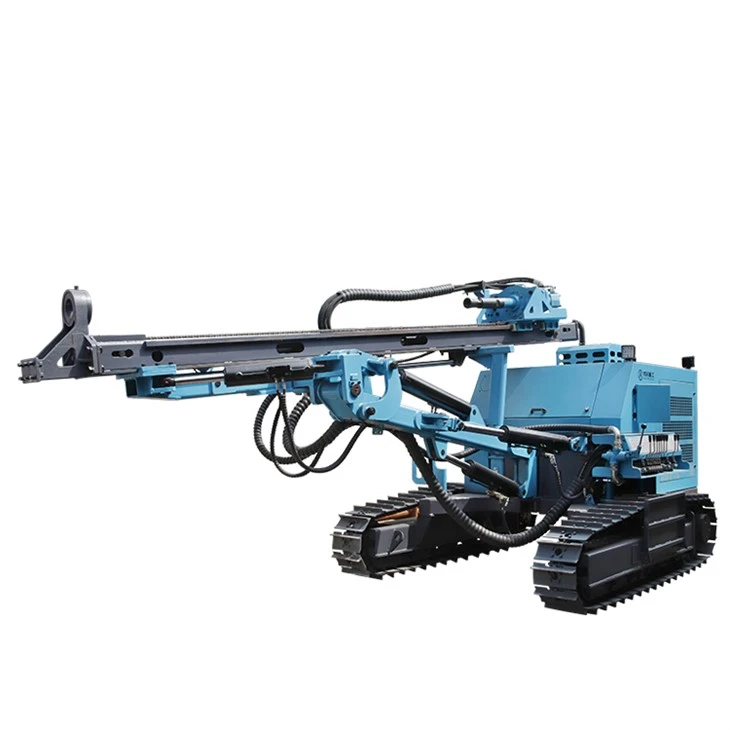
As a DTH drilling supplier, we offer a wide range of high - quality DTH drilling equipment, including DTH Drilling Machine, DTH Open Pit Drill Rig, and Multi - Functional Rock Drilling Rig. Our equipment is designed to meet the diverse needs of the drilling industry and is backed by our commitment to quality and customer service.
If you're in the market for DTH drilling equipment or have any questions about winch operation, we're here to help. Contact us to start a discussion about your specific requirements and explore how our products can enhance your drilling operations.
References
- "Drilling Equipment Handbook" - A comprehensive guide on various drilling equipment, including winches.
- Manufacturer's manuals for winches and DTH drilling rigs.
- Industry safety standards and guidelines for DTH drilling operations.