What is the torque output of a hand held rock drill?
As a supplier of hand held rock drills, I often encounter inquiries about the torque output of these powerful tools. Torque is a crucial parameter when it comes to the performance of a rock drill, as it directly affects the drill's ability to penetrate various types of rock formations efficiently. In this blog post, I will delve into the concept of torque output in hand held rock drills, exploring its significance, factors that influence it, and how it relates to the overall performance of these essential tools.
Understanding Torque
Torque, in simple terms, is the rotational force that causes an object to rotate around an axis. In the context of a hand held rock drill, torque is the force that enables the drill bit to turn and break through the rock. It is measured in units of force multiplied by distance, typically Newton - meters (N·m) or foot - pounds (ft - lb). The higher the torque output of a rock drill, the more effectively it can drive the drill bit into the rock, especially in harder or more compacted materials.
Significance of Torque Output in Hand Held Rock Drills
The torque output of a hand held rock drill plays a vital role in determining its drilling efficiency and effectiveness. A drill with a higher torque can more easily start the drilling process, especially in tough rocks. It can also maintain a consistent drilling speed and prevent the drill bit from getting stuck or binding. This is particularly important in applications where precision and speed are required, such as in mining, construction, and quarrying.
For example, when drilling in granite, a hard and dense rock, a hand held rock drill with a high torque output will be able to penetrate the rock more quickly and with less effort compared to a drill with lower torque. This not only saves time but also reduces operator fatigue, making the drilling process more productive and cost - effective.
Factors Influencing Torque Output
Several factors can influence the torque output of a hand held rock drill. These include:
1. Power Source
The power source of the rock drill is one of the most significant factors affecting torque output. Hand held rock drills can be powered by various sources, such as compressed air, electricity, or hydraulic systems.
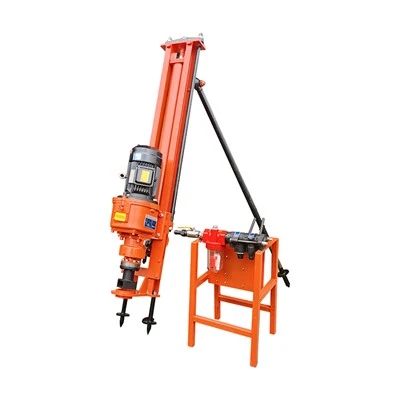
- Pneumatic Rock Drills: Pneumatic rock drills are powered by compressed air. The torque output of a pneumatic drill depends on the air pressure and flow rate supplied to the drill. Higher air pressure generally results in higher torque output. For instance, a pneumatic air leg rock drill can provide a reliable torque output when supplied with the appropriate air pressure, making it suitable for medium - to - hard rock drilling.
- Electric Rock Drills: Electric rock drills are powered by electricity. The torque output of an electric drill is determined by the power rating of the motor. A higher - wattage motor will generally produce more torque. Electric drills are often used in applications where a consistent power supply is available and where there are no concerns about air quality, such as in indoor construction projects.
- Hydraulic Rock Drills: Hydraulic rock drills are powered by hydraulic fluid. They can deliver high torque output due to the high - pressure nature of hydraulic systems. Hydraulic drills are commonly used in heavy - duty applications, such as large - scale mining operations.
2. Drill Design
The design of the rock drill also affects its torque output. Factors such as the gear ratio, the type of motor, and the internal mechanism of the drill can all impact the amount of torque that is transferred to the drill bit.
- Gear Ratio: A drill with a higher gear ratio can increase the torque output at the expense of speed. This is useful when drilling in hard rocks, where more torque is required to break through the material.
- Motor Type: Different types of motors, such as brushed or brushless motors, can have different torque characteristics. Brushless motors, for example, are known for their high efficiency and can often provide a more consistent torque output compared to brushed motors.
3. Drill Bit and Tooling
The type and condition of the drill bit and tooling can also influence the torque output required for drilling. A dull or worn - out drill bit will require more torque to penetrate the rock, as it has to work harder to break through the material. Additionally, the size and shape of the drill bit can affect the torque requirements. Larger drill bits generally require more torque to turn compared to smaller ones.
Measuring Torque Output
Measuring the torque output of a hand held rock drill can be done using specialized torque measuring equipment. This equipment typically measures the rotational force applied to the drill bit during operation. Some advanced rock drills may also have built - in sensors that can provide real - time torque readings, allowing operators to monitor the performance of the drill and make adjustments as needed.
Torque Output and Different Applications
The required torque output of a hand held rock drill can vary depending on the specific application.
1. Mining
In mining applications, hand held rock drills are used to create blast holes in the rock. The torque output requirements can be quite high, especially when drilling in hard rock formations such as ore - bearing rocks. A high - torque drill is essential to ensure efficient and accurate drilling, which is crucial for the safety and productivity of the mining operation.
2. Construction
In construction, hand held rock drills are used for various tasks, such as creating holes for anchor bolts, installing utilities, or breaking up concrete. The torque requirements in construction may be lower compared to mining, but still need to be sufficient to handle the specific materials being drilled. For example, when drilling in concrete, a drill with moderate to high torque is needed to penetrate the hard and dense material.
3. Quarrying
Quarrying involves extracting large blocks of stone from the earth. Hand held rock drills are used to create pilot holes and to break up the rock. The torque output of the drill needs to be high enough to handle the large - scale nature of the quarrying operation and the hard rock materials typically found in quarries.
Our Product Range and Torque Output
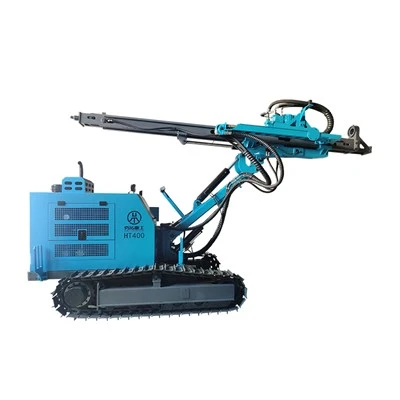
As a supplier of hand held rock drills, we offer a wide range of products with different torque outputs to meet the diverse needs of our customers. Our Integrated Open - pit Down - the - hole Drill Rig is designed for heavy - duty applications and provides a high torque output, making it suitable for large - scale mining and quarrying operations.
Our pneumatic air leg rock drill is a popular choice for medium - duty applications, offering a reliable torque output that can handle a variety of rock types. And our mini pneumatic drill is ideal for smaller - scale projects, providing a sufficient torque output for tasks such as light construction and DIY applications.
Contact Us for Your Rock Drill Needs
If you are in the market for a hand held rock drill and have questions about torque output or any other aspect of our products, we encourage you to contact us. Our team of experts is ready to assist you in selecting the right drill for your specific application and to provide you with all the information you need to make an informed decision. Whether you are a mining company, a construction firm, or a DIY enthusiast, we have the rock drill solution for you.


References
- Machinery's Handbook: A comprehensive reference for mechanical engineering and manufacturing, which provides detailed information on torque and power calculations.
- Rock Drilling Handbook: Published by industry experts, this handbook offers in - depth knowledge about rock drilling equipment, including hand held rock drills and their performance characteristics.