Air rock drills are essential tools in various industries, including mining, construction, and quarrying. These drills rely on compressed air to function, and the air hose specification is a crucial factor that affects their performance, efficiency, and safety. As a leading air rock drill supplier, I understand the significance of choosing the right air hose for these powerful machines. In this blog, I'll delve into the key aspects of air hose specifications for air rock drills, guiding you through the essential factors to consider.
Understanding the Basics of Air Rock Drills
Before we discuss air hose specifications, let's briefly understand how air rock drills work. Air rock drills use compressed air to drive a piston or hammer mechanism, which delivers high - frequency impacts to break through rock. The compressed air is supplied through an air hose, which acts as a conduit between the air compressor and the drill.
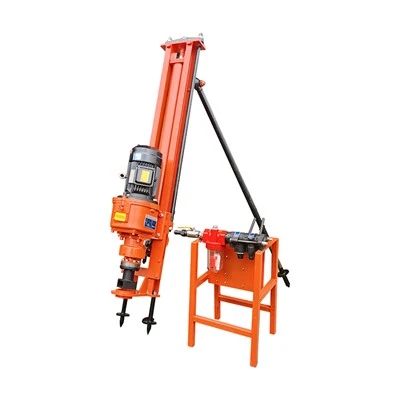
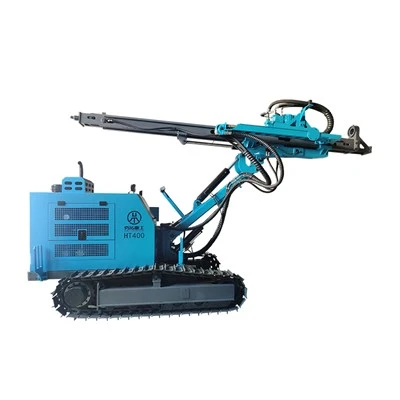
There are different types of air rock drills, such as small down the hole drilling, pneumatic air leg rock drill, and mini pneumatic drill. Each type has its own unique requirements for air supply, and the air hose must be carefully selected to meet these needs.
Key Air Hose Specifications for Air Rock Drills
1. Inner Diameter
The inner diameter of the air hose is a critical specification. It determines the volume of air that can flow through the hose per unit of time. A larger inner diameter allows for a greater volume of compressed air to reach the drill, which is essential for maintaining the drill's power and performance. For small - scale air rock drills, a hose with an inner diameter of 1/2 inch or 3/4 inch may be sufficient. However, for larger and more powerful drills, hoses with an inner diameter of 1 inch or more may be required.
When the inner diameter is too small, the air flow will be restricted, leading to a decrease in the drill's impact energy and efficiency. This can result in slower drilling speeds, increased wear on the drill components, and higher energy consumption.
2. Working Pressure Rating
The working pressure rating of the air hose indicates the maximum pressure it can safely withstand during normal operation. Air rock drills typically require a certain amount of pressure to function properly. Most air rock drills operate at pressures between 90 and 120 psi (pounds per square inch). Therefore, the air hose should have a working pressure rating that exceeds the maximum pressure requirements of the drill.
For example, if your air rock drill operates at a maximum pressure of 100 psi, it is recommended to choose an air hose with a working pressure rating of at least 150 psi. This provides a safety margin and ensures that the hose can handle any pressure spikes that may occur during operation.
3. Material
The material of the air hose is another important consideration. There are several types of materials used for air hoses, each with its own advantages and disadvantages.
- Rubber Hoses: Rubber hoses are a popular choice for air rock drills due to their flexibility, durability, and resistance to abrasion. They can withstand repeated bending and kinking without significant damage. However, rubber hoses may be heavier than other types of hoses and can be more expensive.
- PVC Hoses: PVC hoses are lightweight and relatively inexpensive. They are also resistant to chemicals and UV rays. However, they are less flexible than rubber hoses and may be more prone to cracking and splitting over time, especially in cold weather.
- Polyurethane Hoses: Polyurethane hoses combine the advantages of rubber and PVC hoses. They are lightweight, flexible, and have excellent abrasion resistance. They also have a long service life and can withstand a wide range of temperatures.
4. Length
The length of the air hose can also affect the performance of the air rock drill. A longer hose will result in greater pressure drop due to friction between the air and the inner walls of the hose. As a result, the pressure at the drill end may be lower than the pressure at the compressor end.
To minimize pressure drop, it is recommended to keep the hose length as short as possible. However, in some cases, a longer hose may be necessary to reach the drilling location. In such situations, you may need to increase the inner diameter of the hose or use a higher - pressure compressor to compensate for the pressure drop.
5. Fittings
The fittings used to connect the air hose to the air compressor and the air rock drill are also important. The fittings should be compatible with the hose and the equipment, and they should provide a secure and leak - free connection.
There are different types of fittings available, such as quick - connect fittings and threaded fittings. Quick - connect fittings are easy to install and remove, which is convenient for on - site operations. Threaded fittings, on the other hand, provide a more secure connection and are less likely to leak.
Additional Considerations
1. Temperature Resistance
The operating environment can have a significant impact on the performance of the air hose. In hot environments, the hose material may become soft and lose its strength, while in cold environments, it may become brittle and crack. Therefore, it is important to choose an air hose with a temperature resistance that matches the operating conditions.
For example, if you are using the air rock drill in a hot desert environment, you may need to choose a hose with a high - temperature resistance. Conversely, if you are working in a cold climate, a hose with good cold - weather flexibility is required.


2. Bend Radius
The bend radius of the air hose refers to the minimum radius at which the hose can be bent without kinking or restricting the air flow. A smaller bend radius allows for more flexibility in routing the hose, but it can also increase the risk of kinking.
It is important to follow the manufacturer's recommendations for the minimum bend radius of the air hose. Kinking the hose can cause a significant reduction in air flow and may damage the hose over time.
Importance of Choosing the Right Air Hose
Choosing the right air hose for your air rock drill is crucial for several reasons:
- Optimal Performance: A properly sized and rated air hose ensures that the air rock drill receives an adequate supply of compressed air at the required pressure. This allows the drill to operate at its maximum efficiency, resulting in faster drilling speeds and better hole quality.
- Equipment Longevity: Using the correct air hose can reduce wear and tear on the air rock drill components. When the air flow is unrestricted and the pressure is stable, the drill's internal parts will experience less stress, leading to a longer service life.
- Safety: A high - quality air hose with a proper working pressure rating and secure fittings reduces the risk of hose failure and air leaks. This helps to prevent accidents and ensures the safety of the operators.
Conclusion
Selecting the appropriate air hose specification for an air rock drill is a critical decision that can have a significant impact on the drill's performance, efficiency, and safety. By considering factors such as inner diameter, working pressure rating, material, length, fittings, temperature resistance, and bend radius, you can choose an air hose that meets the specific requirements of your air rock drill.
As a trusted air rock drill supplier, we offer a wide range of air hoses and can provide expert advice on choosing the right one for your application. If you are in the market for an air rock drill or need assistance with air hose selection, please do not hesitate to contact us for procurement and further discussions.
References
- Compressed Air Systems Handbook, various editions
- Manufacturer's manuals for air rock drills and air hoses