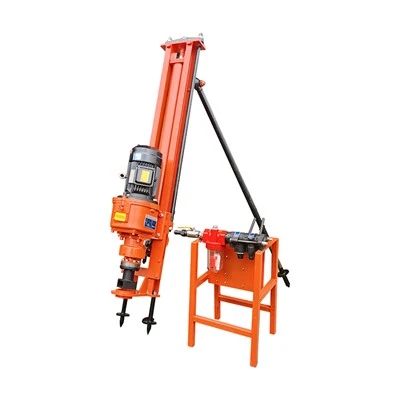
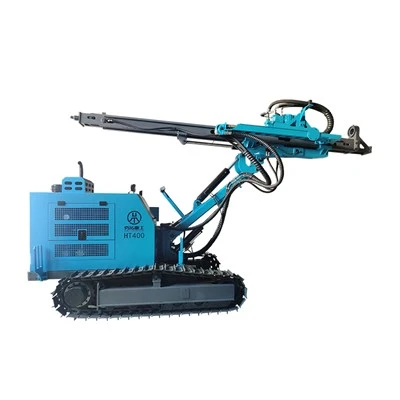
Hey there! As a supplier of water well drilling rig trucks, I've seen firsthand how important it is to store drilling pipes properly. Not only does it keep your equipment in good shape, but it also ensures the safety of your crew and the efficiency of your operations. In this blog post, I'll share some tips on how to store drilling pipes on a water well drilling rig truck.
Why Proper Storage Matters
Before we dive into the details of storage, let's talk about why it's so important. Drilling pipes are expensive pieces of equipment, and improper storage can lead to damage, corrosion, and other issues that can shorten their lifespan. Additionally, poorly stored pipes can pose a safety hazard to your crew, as they may fall or shift during transport or use. By storing your pipes correctly, you can protect your investment, ensure the safety of your team, and keep your operations running smoothly.
Types of Drilling Pipes
There are several types of drilling pipes used in water well drilling, each with its own unique characteristics and storage requirements. The most common types include:
- Steel Pipes: Steel pipes are the most widely used type of drilling pipe due to their strength, durability, and affordability. They come in a variety of sizes and wall thicknesses to suit different drilling applications.
- Composite Pipes: Composite pipes are made from a combination of materials, such as fiberglass and resin, and offer several advantages over steel pipes, including lighter weight, corrosion resistance, and flexibility.
- Plastic Pipes: Plastic pipes are lightweight, easy to handle, and resistant to corrosion, making them a popular choice for shallow water well drilling. However, they are not as strong as steel or composite pipes and may not be suitable for deeper or more demanding applications.
Storage Considerations
When storing drilling pipes on a water well drilling rig truck, there are several factors to consider, including:
- Space: Make sure you have enough space on your truck to store all of your pipes safely and securely. Consider the length, diameter, and quantity of your pipes when planning your storage layout.
- Protection: Protect your pipes from damage, corrosion, and other environmental factors by storing them in a clean, dry, and well-ventilated area. Use covers or tarps to shield your pipes from the elements, and avoid storing them in direct sunlight or near sources of heat or moisture.
- Organization: Keep your pipes organized and easily accessible by using racks, shelves, or other storage systems. Label your pipes clearly to make it easy to identify and retrieve the ones you need.
- Safety: Ensure the safety of your crew and the integrity of your pipes by following all safety guidelines and regulations when storing and handling your pipes. Use proper lifting equipment and techniques to avoid injuries and damage to your pipes.
Storage Methods
There are several methods you can use to store drilling pipes on a water well drilling rig truck, including:
- Horizontal Storage: Horizontal storage is the most common method of storing drilling pipes on a truck. It involves laying the pipes flat on a rack or platform, either horizontally or at a slight angle. This method is simple, efficient, and allows for easy access to the pipes.
- Vertical Storage: Vertical storage involves standing the pipes upright in a rack or holder. This method is ideal for storing longer pipes or when space is limited. However, it requires more careful handling and may not be suitable for all types of pipes.
- Stacked Storage: Stacked storage involves stacking the pipes on top of each other in a rack or container. This method is efficient for storing large quantities of pipes, but it requires careful stacking to prevent damage to the pipes.
Best Practices for Storing Drilling Pipes
Here are some best practices to follow when storing drilling pipes on a water well drilling rig truck:
- Clean and Inspect: Before storing your pipes, make sure they are clean and free of dirt, debris, and other contaminants. Inspect the pipes for any signs of damage or wear, and repair or replace any damaged pipes before storing them.
- Lubricate: Apply a thin layer of lubricant to the threads and joints of your pipes to prevent corrosion and make them easier to assemble and disassemble.
- Secure: Use straps, chains, or other securing devices to keep your pipes in place and prevent them from shifting or falling during transport.
- Rotate: Rotate your pipes regularly to prevent them from developing flat spots or other damage due to prolonged storage in the same position.
- Monitor: Regularly monitor the condition of your stored pipes to ensure they are in good shape and free of any signs of damage or corrosion.
Conclusion
Proper storage of drilling pipes is essential for maintaining the safety, efficiency, and longevity of your water well drilling rig truck. By following the tips and best practices outlined in this blog post, you can ensure that your pipes are stored safely and securely, and that they are ready to use when you need them. If you have any questions or need further advice on storing drilling pipes, please don't hesitate to contact us. We're here to help you get the most out of your water well drilling equipment.
Additional Resources
If you're interested in learning more about water well drilling rig trucks or other drilling equipment, check out the following resources:

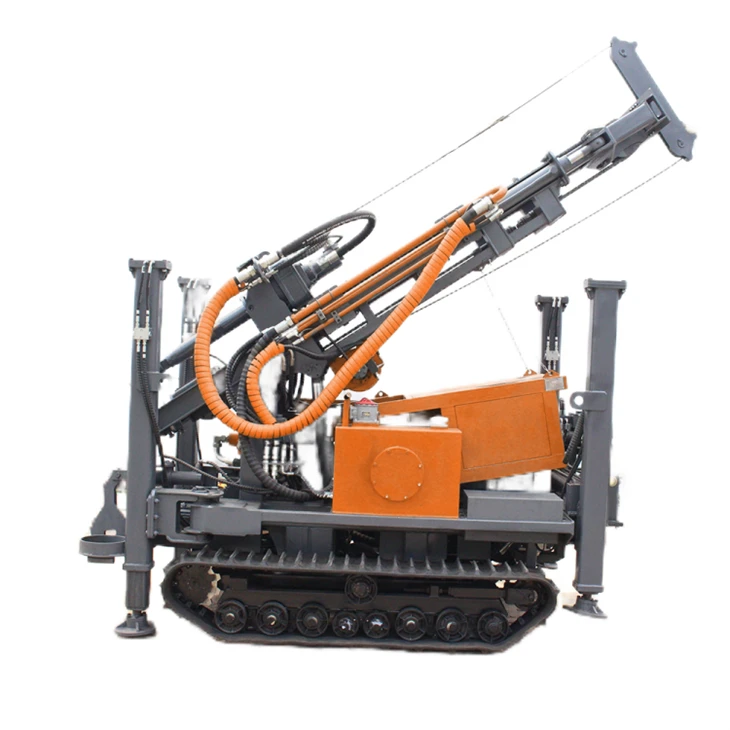
- reverse circulation water well drilling rig
- 200m Water Well Drilling Rig
- truck mounted water well drilling rig
Contact Us
If you're in the market for a water well drilling rig truck or other drilling equipment, we'd love to hear from you. Contact us today to learn more about our products and services, and to get a free quote. We look forward to helping you find the perfect solution for your water well drilling needs.
References
- "Drilling Pipe Storage and Handling Best Practices." International Association of Drilling Contractors, 2023.
- "Water Well Drilling Equipment: A Guide to Selection and Use." National Ground Water Association, 2022.
- "How to Store and Maintain Drilling Pipes." Drilling Contractor Magazine, 2021.