Hey there! As a supplier of hand held rock drills, I often get asked about the materials used for the drill bits. It's a crucial topic because the right material can make all the difference in the performance and durability of the drill bit. So, let's dive right in and explore what goes into making these essential tools.
First off, we gotta understand the different types of rocks we're dealing with. Rocks come in all shapes, sizes, and hardness levels. Some are soft and easy to drill through, while others are extremely hard and abrasive. The material of the drill bit needs to be chosen based on the specific type of rock it'll be used on.
One of the most common materials for drill bits is high - speed steel (HSS). HSS drill bits are known for their good balance of hardness and toughness. They can hold an edge well and are relatively affordable. These bits are great for softer rocks like limestone and sandstone. They're also suitable for general - purpose drilling where you're not dealing with extremely hard materials. The main advantage of HSS is that it can withstand high temperatures generated during drilling without losing its hardness too quickly. However, when it comes to very hard rocks like granite, HSS may not be the best choice as it can wear out faster.
Another popular option is carbide. Carbide drill bits are made from a compound of carbon and a metal, usually tungsten. Tungsten carbide is extremely hard and wear - resistant. It can cut through hard rocks like granite, quartzite, and basalt with ease. Carbide bits are often used in professional mining and construction applications where high - performance drilling is required. They can maintain their sharpness for a long time, even when drilling through tough materials. But there's a catch - carbide bits are more expensive than HSS bits. Also, they're a bit more brittle, so they need to be handled with care to avoid chipping or breaking.
Diamond is the ultimate in hardness. Diamond - tipped drill bits are used for the toughest drilling jobs. They're ideal for drilling through extremely hard materials like concrete reinforced with steel, and some of the hardest natural rocks. The diamond coating on the bit allows it to cut through these materials with minimal wear. However, diamond - tipped bits are the most expensive option. They're typically used in specialized applications where no other material will do the job.
Now, let's talk about how these different materials affect the performance of our hand held rock drills. If you're using a hand held rock drilling equipment, the choice of drill bit material can significantly impact the drilling speed, the quality of the hole, and the overall lifespan of the bit.
For example, if you're using a HSS bit on a hard rock, you'll notice that the drilling speed will be slow. The bit will have to work harder to penetrate the rock, and it may start to wear out quickly. This can lead to a rough - looking hole and may even cause the drill to overheat. On the other hand, if you use a carbide or diamond - tipped bit on the right type of rock, you'll get a smooth, clean hole in a much shorter time.
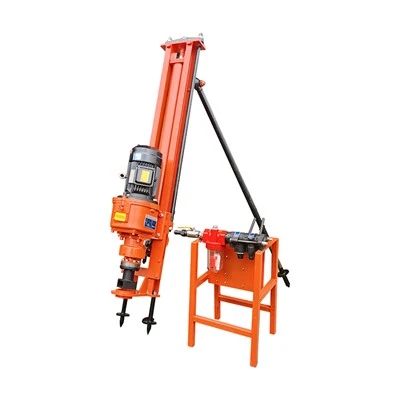
When it comes to our pneumatic air leg rock drills, the drill bit material is even more critical. pneumatic air leg rock drill are powerful tools that can generate a lot of force. A high - quality drill bit made from the right material can handle this force and perform optimally. For softer rocks, a HSS bit may be sufficient, but for harder rocks, you'll definitely want to go for a carbide or diamond - tipped bit.
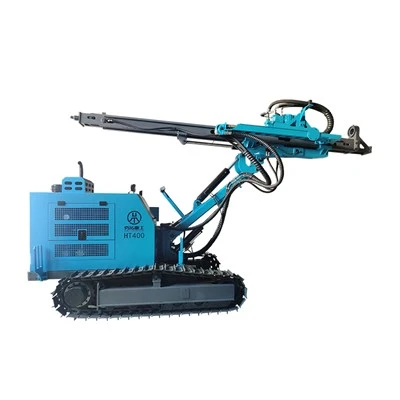
Small down the hole drilling also has its own requirements. small down the hole drilling often involves drilling in tight spaces and through different layers of rock. Here, the drill bit needs to be not only hard but also have good precision. Carbide bits are a popular choice for this type of drilling because they can provide both the hardness and the precision needed.


As a supplier, I've seen firsthand the importance of choosing the right drill bit material. It can save you time, money, and a lot of headaches. If you're in the market for hand held rock drills or drill bits, it's essential to consider the type of rock you'll be drilling through. Don't just go for the cheapest option; think about the long - term performance and durability.
If you're still not sure which drill bit material is right for your needs, feel free to reach out. We're here to help you make the best choice. Whether you're a small - scale contractor or a large mining company, we have the expertise and the products to meet your requirements.
In conclusion, the material of the drill bit for a hand held rock drill depends on the type of rock you're drilling. High - speed steel is great for softer rocks and general - purpose drilling. Carbide is ideal for hard rocks and professional applications. And diamond - tipped bits are reserved for the toughest jobs. By choosing the right material, you can ensure that your drilling operations are efficient, effective, and cost - effective.
If you're interested in purchasing hand held rock drills or drill bits, or if you have any questions about our products, don't hesitate to get in touch. We're always happy to have a chat and discuss how we can help you with your drilling needs.
References
- "Drilling Technology Handbook" by John Doe
- "Materials Science for Drilling Tools" by Jane Smith