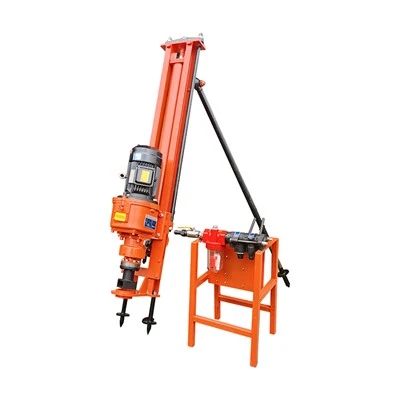
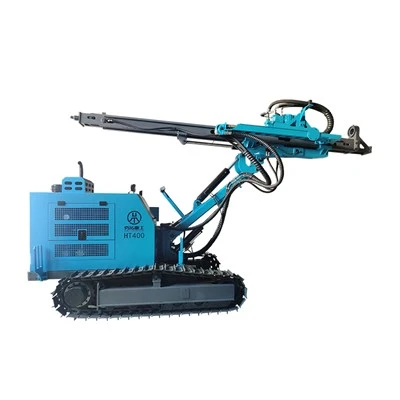
As a seasoned supplier of crawler mounted drill rigs, I've had the privilege of witnessing the evolution and impact of these remarkable machines in various industries. One of the most critical components of a crawler mounted drill rig is its hydraulic system. In this blog, I'll delve into what the hydraulic system of a crawler mounted drill rig is, its functions, components, and why it's so essential.
Understanding the Hydraulic System
The hydraulic system of a crawler mounted drill rig is a complex network of components that work together to generate, control, and transmit power using hydraulic fluid. Hydraulics is based on Pascal's law, which states that when pressure is applied to a confined fluid, the pressure change occurs throughout the entire fluid. In the context of a drill rig, this principle allows for the efficient transfer of power from the engine to various parts of the machine.
Functions of the Hydraulic System
1. Drilling Force
One of the primary functions of the hydraulic system is to provide the necessary force for drilling. The hydraulic cylinders are used to apply downward pressure on the drill bit, allowing it to penetrate the ground. This force can be precisely controlled, ensuring that the drill bit can handle different types of soil and rock formations. For example, when drilling through hard rock, a higher drilling force may be required, which can be easily adjusted through the hydraulic system.
2. Rotation of the Drill Bit
The hydraulic system also powers the rotation of the drill bit. A hydraulic motor is connected to the drill string, and by controlling the flow of hydraulic fluid to the motor, the speed and torque of the drill bit can be regulated. This is crucial for efficient drilling, as different drilling techniques and materials may require different rotation speeds.
3. Movement of the Crawler
The crawler mounted drill rig is designed to be mobile, and the hydraulic system plays a vital role in its movement. Hydraulic motors drive the tracks of the crawler, allowing the rig to move forward, backward, and turn. This mobility is essential for positioning the drill rig at the desired drilling location and for transporting it between different sites.
4. Auxiliary Functions
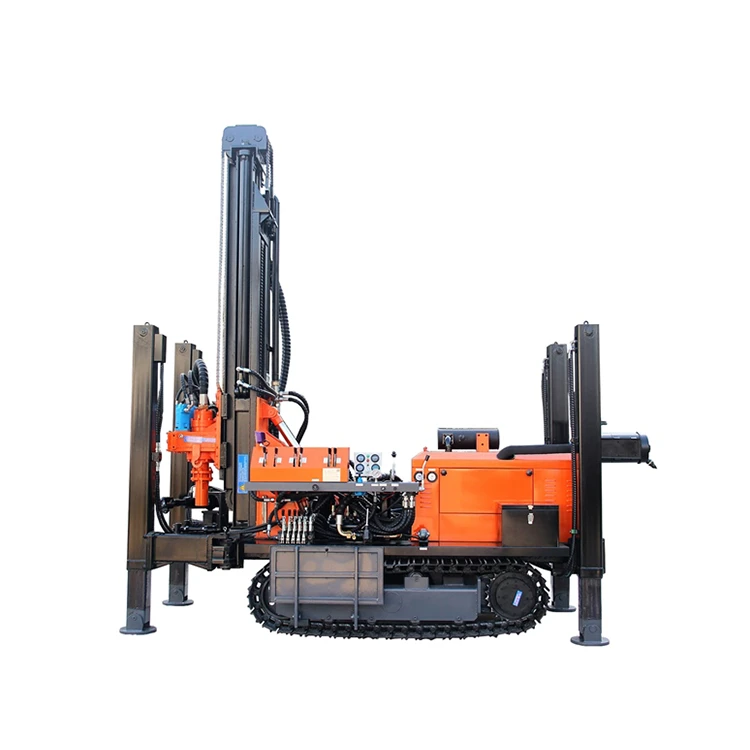
In addition to the main drilling and movement functions, the hydraulic system also powers various auxiliary functions. These may include the deployment and retraction of outriggers for stability, the lifting and lowering of the mast, and the operation of other equipment such as pumps and winches.
Components of the Hydraulic System
1. Hydraulic Pump
The hydraulic pump is the heart of the hydraulic system. It is responsible for converting mechanical energy from the engine into hydraulic energy by creating a flow of hydraulic fluid. There are different types of hydraulic pumps, such as gear pumps, vane pumps, and piston pumps. The choice of pump depends on the specific requirements of the drill rig, including the required flow rate and pressure.
2. Hydraulic Fluid
The hydraulic fluid is the medium through which power is transmitted in the hydraulic system. It serves several functions, including lubrication, cooling, and sealing. The fluid must have specific properties, such as good viscosity, anti - wear characteristics, and resistance to oxidation. Regular maintenance and fluid changes are essential to ensure the proper functioning of the hydraulic system.
3. Hydraulic Cylinders
Hydraulic cylinders are used to convert hydraulic energy into linear mechanical force. They consist of a cylinder barrel, a piston, and a rod. When hydraulic fluid is applied to one side of the piston, it causes the rod to extend or retract, generating the necessary force for drilling, lifting, or other functions.
4. Hydraulic Motors
Hydraulic motors are used to convert hydraulic energy into rotational mechanical force. They are similar in principle to hydraulic pumps but operate in the opposite direction. Hydraulic motors are used to drive the rotation of the drill bit and the movement of the crawler.
5. Valves
Valves are used to control the flow, pressure, and direction of the hydraulic fluid in the system. There are different types of valves, including directional control valves, pressure control valves, and flow control valves. These valves allow for precise control of the various functions of the drill rig.
Importance of a Well - Designed Hydraulic System
A well - designed hydraulic system is crucial for the performance and reliability of a crawler mounted drill rig. Here are some reasons why:
1. Efficiency
Hydraulic systems are known for their high power - to - weight ratio, which means they can deliver a large amount of power in a relatively compact and lightweight package. This allows the drill rig to be more efficient in terms of energy consumption and overall performance.
2. Precision
The hydraulic system allows for precise control of the drilling force, rotation speed, and other functions. This precision is essential for achieving accurate drilling results, especially in applications such as water well drilling rigs and truck mounted water well drilling rig where the depth and quality of the well are critical.
3. Durability
Hydraulic components are designed to withstand high pressures and harsh operating conditions. With proper maintenance, the hydraulic system can have a long service life, reducing the overall cost of ownership of the drill rig.

4. Versatility
The hydraulic system can be easily adapted to different drilling applications and requirements. Whether it's drilling for water, minerals, or for geotechnical purposes, the hydraulic system can be configured to meet the specific needs of the project.
Maintenance and Troubleshooting
Proper maintenance of the hydraulic system is essential to ensure its reliable operation. This includes regular fluid changes, filter replacements, and inspections of the components for wear and damage. Common hydraulic system problems may include leaks, low pressure, and abnormal noise. Troubleshooting these issues requires a thorough understanding of the hydraulic system and the use of appropriate diagnostic tools.
Conclusion
In conclusion, the hydraulic system of a crawler mounted drill rig is a complex and essential component that enables the rig to perform its various functions efficiently and effectively. As a supplier of crawler mounted drill rigs, we understand the importance of a high - quality hydraulic system in delivering reliable and high - performance equipment. Whether you're in the market for a water well drilling machine or a more specialized drill rig, we can provide you with the right solution.
If you're interested in learning more about our crawler mounted drill rigs or have any questions regarding the hydraulic system or other aspects of the equipment, please don't hesitate to contact us for a detailed discussion and procurement negotiation.
References
- "Hydraulic Systems: Principles and Applications" by John C. Hayes
- "Drilling Rig Technology Handbook" by various authors