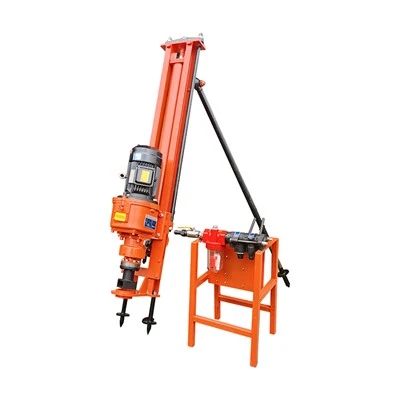
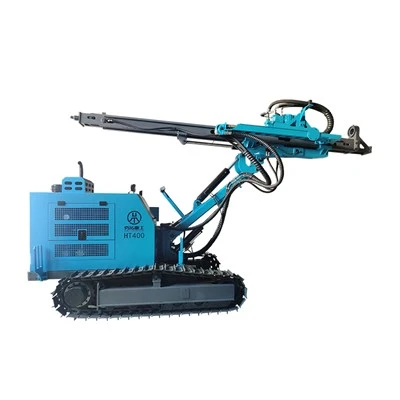
What is the lifespan of a pneumatic rock drilling rig?
Pneumatic rock drilling rigs are essential tools in various industries, including mining, construction, and quarrying. These rigs use compressed air to power the drilling process, offering several advantages such as high efficiency, reliable performance, and relative simplicity in operation. Understanding the lifespan of a pneumatic rock drilling rig is crucial for both operators and businesses that rely on these machines for their activities. As a pneumatic rock drilling rig supplier, I am well - versed in the factors that influence the lifespan of these rigs and will discuss them in detail in this blog.
1. Factors Affecting the Lifespan of Pneumatic Rock Drilling Rigs
Quality of Manufacturing
The quality of manufacturing is a fundamental factor that determines the lifespan of a pneumatic rock drilling rig. High - quality rigs are built with precision - engineered components, using durable materials such as high - grade steel and alloy. These materials are resistant to wear, corrosion, and fatigue, which are common causes of equipment failure. For instance, a well - manufactured pneumatic air leg rock drill pneumatic air leg rock drill will have a more robust air distribution system and a stronger drill bit holder, ensuring smooth operation and longer service life. On the other hand, poorly manufactured rigs may have substandard parts that can break down quickly, leading to frequent repairs and a shorter overall lifespan.
Operating Conditions
The environment in which the pneumatic rock drilling rig operates has a significant impact on its lifespan. In harsh conditions such as extreme temperatures, high humidity, or dusty environments, the rig is more likely to experience accelerated wear and tear. For example, in mining operations, the presence of abrasive dust can cause rapid wear on the moving parts of the rig, such as pistons, valves, and drill bits. In addition, if the rig is exposed to corrosive substances, it may lead to rust and corrosion of the metal components, reducing their strength and functionality. Regular maintenance and proper protection of the rig can help mitigate the effects of these adverse operating conditions.
Maintenance and Care
Proper maintenance and care are essential for extending the lifespan of a pneumatic rock drilling rig. Regular lubrication of the moving parts is necessary to reduce friction and prevent wear. The air filter should be cleaned or replaced regularly to ensure a clean supply of compressed air, which is crucial for the efficient operation of the rig. Additionally, routine inspections of the drill bits, hoses, and other components can help detect any signs of damage or wear early on, allowing for timely repairs or replacements. For example, a neglected mini pneumatic drill with a clogged air filter may experience reduced drilling power and increased stress on its internal components, leading to premature failure.
Frequency of Use
The frequency of use also plays a role in determining the lifespan of a pneumatic rock drilling rig. A rig that is used continuously for long hours every day will naturally experience more wear and tear compared to one that is used intermittently. However, even a rig with low usage frequency can be affected if it is not properly maintained during periods of inactivity. For example, if a Hand Held Rock Drill is left idle for an extended period without proper storage or maintenance, it may develop rust or other issues that can shorten its lifespan.
2. Typical Lifespan of Pneumatic Rock Drilling Rigs
On average, a well - maintained pneumatic rock drilling rig can last anywhere from 5 to 15 years. However, this is a very general estimate, and the actual lifespan can vary significantly depending on the factors mentioned above.
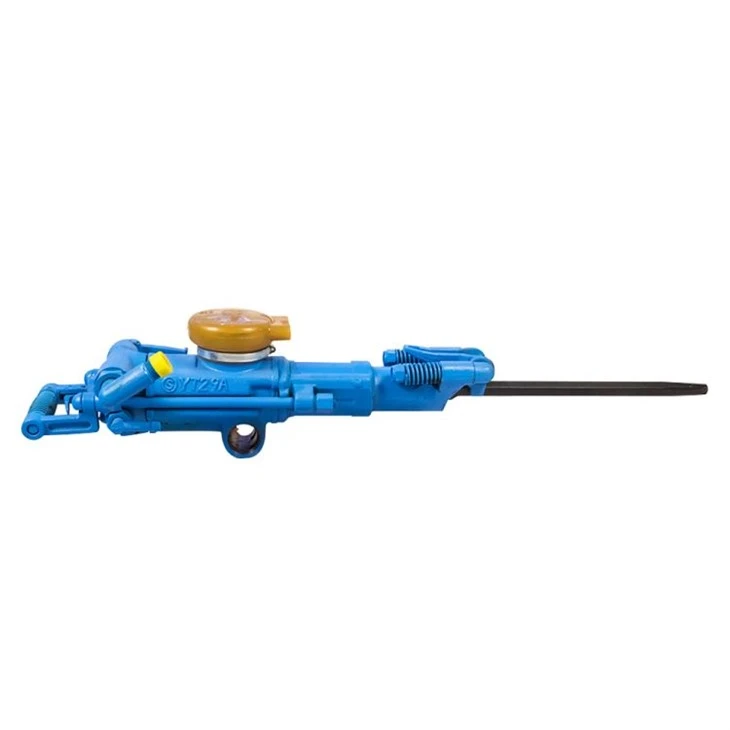

In a light - duty application, such as small - scale construction projects or occasional rock drilling tasks in a workshop, a pneumatic rock drilling rig may last up to 15 years or even longer. These rigs are typically used for short periods and under relatively mild operating conditions, which reduces the stress on the components.
In heavy - duty applications, such as large - scale mining or continuous quarrying operations, the lifespan of a pneumatic rock drilling rig may be closer to 5 - 10 years. The high - intensity use, combined with harsh operating environments, can cause the components to wear out more quickly.
3. Extending the Lifespan of Pneumatic Rock Drilling Rigs
Quality Training for Operators
Proper training for operators is crucial for extending the lifespan of a pneumatic rock drilling rig. Operators should be trained on the correct operating procedures, including how to start and stop the rig safely, how to adjust the drilling parameters, and how to handle the rig in different operating conditions. For example, an operator who knows how to avoid overloading the rig by adjusting the air pressure and the feed rate according to the type of rock being drilled can prevent premature wear on the components.
Regular Inspections and Preventive Maintenance
As mentioned earlier, regular inspections and preventive maintenance are key to extending the lifespan of the rig. This includes daily visual inspections, weekly or monthly lubrication, and periodic checks of the major components such as the air compressor, valves, and drill bits. By identifying and addressing potential issues early on, operators can avoid costly breakdowns and extend the overall service life of the rig.
Use of Genuine Spare Parts
When replacing worn - out parts, it is important to use genuine spare parts recommended by the manufacturer. Genuine parts are designed to fit perfectly and function optimally with the rig, ensuring that the performance of the rig is not compromised. Using counterfeit or low - quality spare parts can lead to premature failure of the rig and may even void the warranty.
4. Conclusion
The lifespan of a pneumatic rock drilling rig is influenced by multiple factors, including manufacturing quality, operating conditions, maintenance, and frequency of use. On average, a well - maintained rig can last from 5 to 15 years, but this can vary widely. By taking appropriate measures such as providing quality training for operators, conducting regular inspections and preventive maintenance, and using genuine spare parts, businesses can extend the lifespan of their pneumatic rock drilling rigs and get the most out of their investment.
If you are in the market for a reliable pneumatic rock drilling rig or need advice on extending the lifespan of your existing rig, we are here to help. Feel free to reach out to us for more information, and our team of experts will be happy to assist you in making the right choice for your specific needs and applications.
References
- Drilling Equipment Handbook, Industrial Press
- Mining Machinery and Equipment Guide, International Mining Association