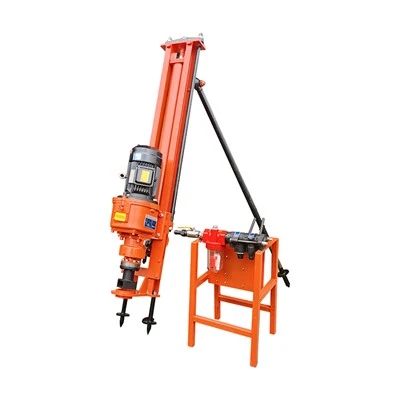
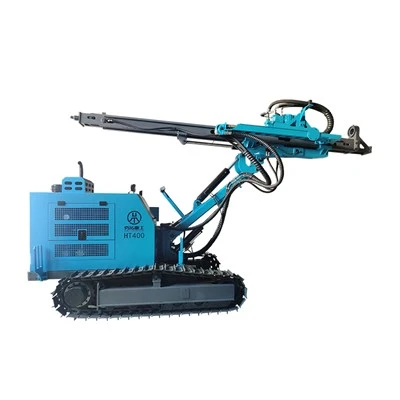
As a supplier of pneumatic air leg rock drills, I understand the importance of energy efficiency in the mining and construction industries. Energy efficiency not only reduces operational costs but also contributes to a more sustainable and environmentally friendly operation. In this blog post, I will share some practical tips on how to improve the energy efficiency of a pneumatic air leg rock drill.
Understanding the Basics of Pneumatic Air Leg Rock Drills
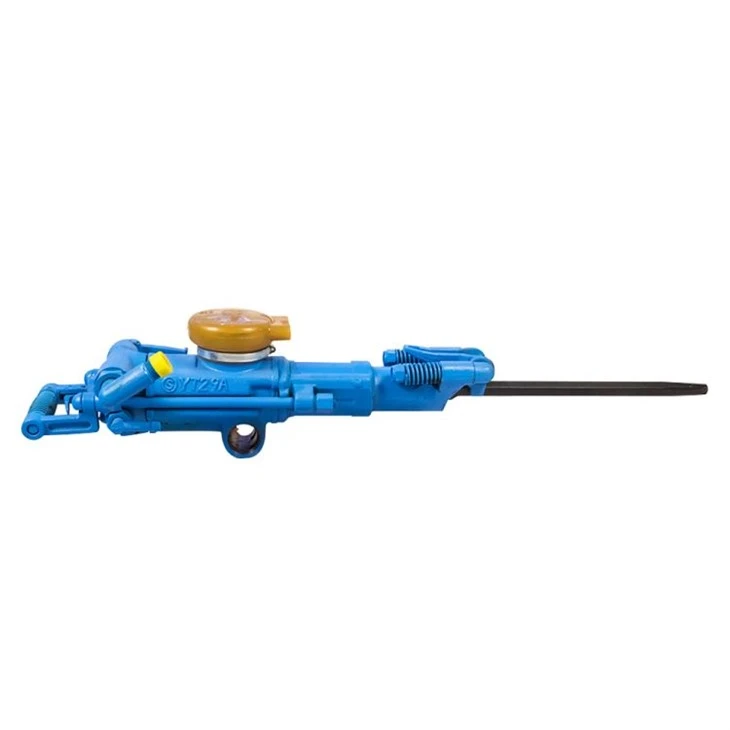
Before delving into energy - efficiency improvements, it's essential to understand how pneumatic air leg rock drills work. A pneumatic air leg rock drill is a powerful tool that uses compressed air to generate the impact force needed for rock drilling. The air leg provides support and feed force to the drill, allowing for more efficient and stable drilling operations.
The energy consumption of a pneumatic air leg rock drill is mainly related to the compressed air system. Compressed air is generated by an air compressor, which consumes a significant amount of electrical energy. Therefore, optimizing the use of compressed air is the key to improving energy efficiency.
Optimize the Compressed Air System
Proper Sizing of the Air Compressor
One of the first steps in improving energy efficiency is to ensure that the air compressor is properly sized for the pneumatic air leg rock drill. An oversized compressor will consume more energy than necessary, while an undersized compressor may not provide enough air pressure and flow, leading to inefficient drilling.
To determine the appropriate size of the air compressor, you need to consider the air consumption rate of the rock drill. The air consumption rate is usually specified by the manufacturer in cubic feet per minute (CFM) or liters per second (L/s). Make sure that the compressor can deliver the required air volume and pressure at a stable rate.
Regular Maintenance of the Air Compressor
Regular maintenance of the air compressor is crucial for its efficient operation. A well - maintained compressor will consume less energy and have a longer service life. Some maintenance tasks include:

- Filter Replacement: Dirty air filters can restrict the airflow, causing the compressor to work harder. Replace the air filters regularly according to the manufacturer's recommendations.
- Lubrication: Proper lubrication of the compressor's moving parts reduces friction and energy loss. Check the oil level regularly and change the oil as needed.
- Leak Detection and Repair: Air leaks in the compressed air system can waste a significant amount of energy. Conduct regular leak detection using ultrasonic leak detectors or soap - bubble tests. Repair any leaks immediately to prevent energy loss.
Use of Energy - Efficient Compressors
Consider upgrading to energy - efficient air compressors. Modern compressors are designed with advanced technologies such as variable speed drives (VSD). VSD compressors can adjust the motor speed according to the actual air demand, reducing energy consumption during periods of low demand.
Improve the Rock Drill Design and Operation
Select the Right Drill Bits
The choice of drill bits can significantly affect the energy efficiency of the pneumatic air leg rock drill. High - quality drill bits with the appropriate geometry and material can penetrate the rock more easily, reducing the energy required for drilling.
- Bit Geometry: Different rock formations require different bit geometries. For example, a conical bit is suitable for soft rocks, while a cross - bit or a button bit is more effective for hard rocks. Select the bit geometry that matches the rock type to improve drilling efficiency.
- Bit Material: Drill bits made of high - strength materials such as tungsten carbide can withstand the high impact and abrasion during drilling. These bits have a longer service life and can maintain their cutting performance, reducing the need for frequent bit changes and energy waste.
Optimize the Drilling Parameters
Proper adjustment of the drilling parameters can also improve energy efficiency. The main drilling parameters include air pressure, feed force, and rotation speed.
- Air Pressure: Adjust the air pressure according to the rock type and the drill bit size. Too high air pressure can cause excessive vibration and energy waste, while too low air pressure may result in inefficient drilling.
- Feed Force: The feed force should be sufficient to keep the drill bit in contact with the rock but not too high to cause excessive wear on the drill bit and the air leg. Adjust the feed force based on the rock hardness and the drilling conditions.
- Rotation Speed: The rotation speed of the drill bit affects the cutting efficiency. Select the appropriate rotation speed to ensure that the drill bit can cut the rock effectively without consuming too much energy.
Regular Maintenance of the Rock Drill
Just like the air compressor, regular maintenance of the pneumatic air leg rock drill is essential for its efficient operation. Some maintenance tasks include:
- Cleaning: Remove dirt, dust, and debris from the rock drill regularly. This helps to prevent clogging of the air passages and ensures smooth operation.
- Inspection and Replacement of Worn Parts: Check the drill's moving parts such as pistons, valves, and seals for wear and tear. Replace any worn parts immediately to maintain the drill's performance and energy efficiency.
Train the Operators
Well - trained operators can play a crucial role in improving the energy efficiency of the pneumatic air leg rock drill. Provide comprehensive training to the operators on the proper use and maintenance of the drill and the compressed air system.
- Operation Training: Teach the operators how to adjust the drilling parameters correctly according to the rock type and the drilling conditions. Train them to start and stop the drill properly to avoid unnecessary energy consumption.
- Maintenance Training: Provide training on the basic maintenance tasks of the rock drill and the air compressor. Encourage the operators to report any abnormal conditions or malfunctions promptly.
Consider Alternative Drilling Technologies
In some cases, alternative drilling technologies may be more energy - efficient than pneumatic air leg rock drills. For example, Hand Held Rock Drill can be used for small - scale drilling operations, which may consume less energy due to their smaller size and simpler design.
Another option is the Integrated Open - pit Down - the - hole Drill Rig, which is suitable for large - scale open - pit mining. These rigs are often equipped with advanced drilling systems and energy - saving technologies, such as automatic drilling control and energy - recovery systems.
Conclusion
Improving the energy efficiency of a pneumatic air leg rock drill requires a comprehensive approach that includes optimizing the compressed air system, improving the rock drill design and operation, training the operators, and considering alternative drilling technologies. By implementing these measures, you can reduce energy consumption, lower operational costs, and contribute to a more sustainable mining and construction industry.
If you are interested in learning more about our pneumatic air leg rock drills or have any questions about energy - efficient drilling solutions, please feel free to contact us for procurement and further discussions.
References
- Compressed Air and Gas Institute (CAGI). "Compressed Air System Energy Efficiency Best Practices."
- Manufacturers' technical manuals for pneumatic air leg rock drills and air compressors.
- Industry research papers on energy - efficient drilling technologies.