Hey there! As a supplier of hand held rock drills, I've seen firsthand the importance of optimizing their performance. Whether you're in the mining industry, construction, or any field that requires drilling into rock, getting the most out of your equipment is crucial. In this blog, I'll share some tips and tricks on how to optimize the performance of a hand held rock drill.
Choose the Right Drill for the Job
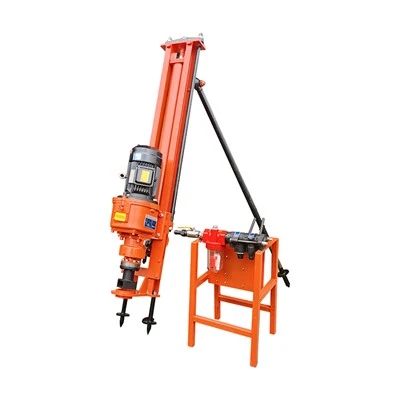
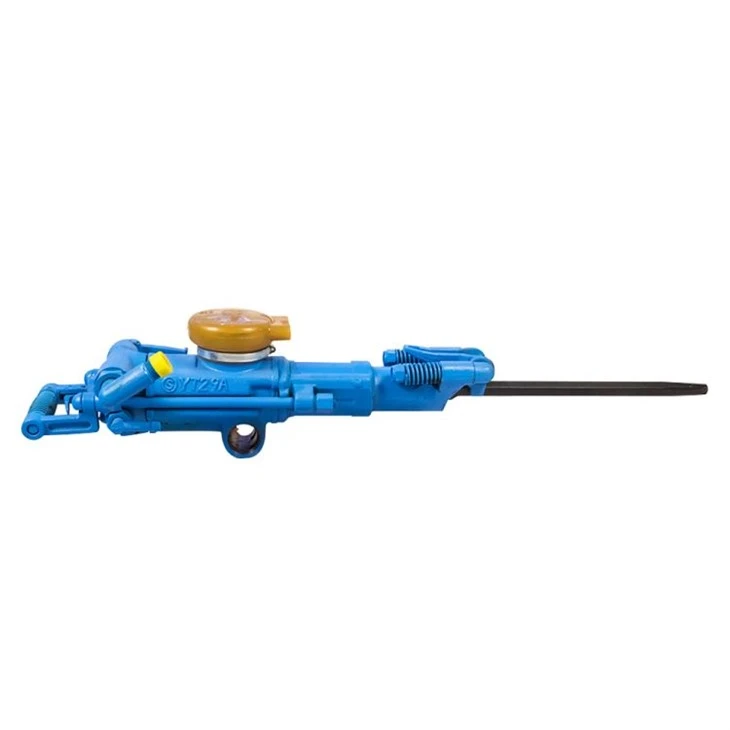
First things first, you need to pick the right hand held rock drill for the specific task at hand. There are different types of drills available, each designed for various applications. For instance, if you're dealing with small - scale projects or tight spaces, a mini pneumatic drill might be the perfect choice. It's compact, lightweight, and easy to maneuver.
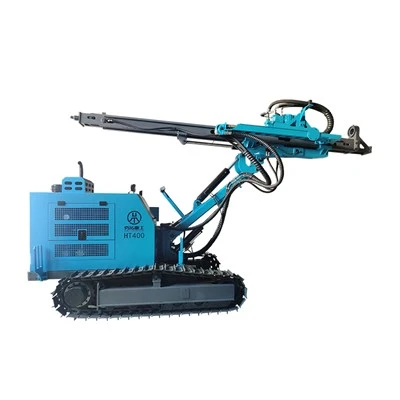
On the other hand, if you need more power and stability, a pneumatic air leg rock drill could be a better option. The air leg provides additional support and allows for more efficient drilling. And of course, there are general hand held rock drilling equipment that are suitable for a wide range of tasks.
Keep the Drill Bits in Good Condition
The drill bit is the part of the hand held rock drill that actually does the cutting. So, keeping it in top - notch condition is super important. Dull or damaged drill bits can significantly reduce the performance of your drill. They may cause the drill to work harder, which not only slows down the drilling process but also increases the wear and tear on the drill itself.
Regularly inspect the drill bits for signs of wear, such as chipping or blunting. If you notice any damage, replace the drill bit immediately. Also, make sure to use the right type of drill bit for the rock you're drilling. Different rocks have different hardness levels, and using the wrong bit can lead to poor performance.
Maintain the Air Supply
Most hand held rock drills are pneumatic, which means they rely on compressed air to operate. A proper air supply is essential for optimal performance. First, check the air compressor to ensure it's working correctly. The compressor should be able to provide a consistent and adequate amount of air pressure.
The recommended air pressure for most hand held rock drills is usually between 60 - 90 psi. If the air pressure is too low, the drill won't have enough power to penetrate the rock effectively. On the other hand, if the air pressure is too high, it can cause excessive vibration and damage to the drill.
Also, make sure the air hoses are in good condition. Leaky hoses can result in a loss of air pressure, which will affect the drill's performance. Check the hoses regularly for any signs of damage or wear and replace them if necessary.
Lubrication
Lubrication is another key factor in optimizing the performance of a hand held rock drill. Proper lubrication reduces friction between the moving parts of the drill, which helps to extend its lifespan and improve its efficiency.
Use a high - quality pneumatic tool oil to lubricate the drill. You can usually find the recommended lubrication schedule in the drill's user manual. Make sure to apply the oil at the right intervals and in the right amount. Too little lubrication won't provide enough protection, while too much can cause problems such as clogging.
Operator Training
Even the best - designed hand held rock drill won't perform well if it's not being used correctly. That's why operator training is so important. A well - trained operator knows how to handle the drill properly, which can make a huge difference in terms of performance.

The operator should be familiar with the drill's controls, safety features, and operating procedures. They should also know how to adjust the drill for different types of rocks and drilling conditions. For example, they should know when to apply more or less pressure, and how to control the speed of the drill.
Drill at the Right Angle
Drilling at the correct angle is crucial for efficient and effective drilling. When you drill at the wrong angle, the drill bit may not cut into the rock properly, which can lead to slower drilling and more wear on the bit.
Ideally, you should drill perpendicular to the surface of the rock. This allows the drill bit to make full contact with the rock and cut through it more easily. If you need to drill at an angle, make sure to do it gradually and carefully.
Monitor the Drill's Performance
Regularly monitoring the performance of your hand held rock drill can help you catch any potential problems early on. Pay attention to things like the drill's speed, power, and vibration levels. If you notice any changes in these parameters, it could be a sign that something is wrong.
For example, if the drill suddenly starts to vibrate more than usual, it could mean that the drill bit is dull or damaged, or that there's a problem with the air supply. By monitoring the drill's performance, you can take corrective action before the problem gets worse.
Storage and Transport
Proper storage and transport of the hand held rock drill are also important for maintaining its performance. When not in use, store the drill in a dry and clean place. This helps to prevent rust and corrosion, which can damage the drill over time.
During transport, make sure to protect the drill from bumps and shocks. Use a suitable carrying case or storage container to keep the drill safe. Also, make sure to secure the drill properly to prevent it from moving around during transport.
Conclusion
Optimizing the performance of a hand held rock drill involves a combination of choosing the right equipment, proper maintenance, operator training, and correct usage. By following these tips, you can ensure that your drill works at its best, which will save you time, money, and effort in the long run.
If you're in the market for a hand held rock drill or need more information on how to optimize its performance, don't hesitate to reach out. We're here to help you find the right solution for your needs and ensure that you get the most out of your equipment. Let's start a conversation and see how we can work together to meet your drilling requirements.
References
- Manufacturer's user manuals for hand held rock drills
- Industry standards and best practices for pneumatic tool maintenance
- Technical articles on rock drilling technology