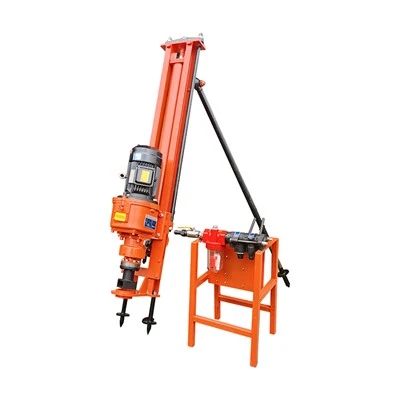
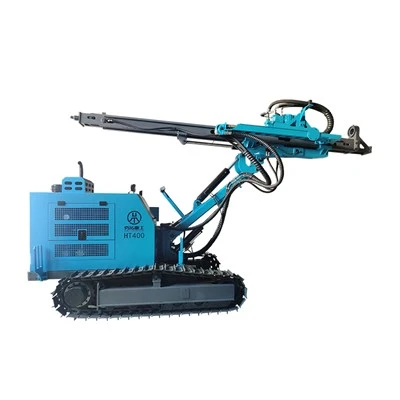
Well drilling water trucks play a pivotal role in the water well drilling industry. As a well - established supplier of well drilling water trucks, I have witnessed firsthand the importance of understanding the pressure requirements for these specialized vehicles. In this blog, I will delve into the intricacies of pressure requirements for well drilling water trucks, offering insights that are crucial for both drilling professionals and those interested in the industry.
Understanding the Basics of Well Drilling Water Trucks
Well drilling water trucks are designed to transport and deliver water to drilling sites. The water serves multiple purposes, including cooling the drill bit, carrying cuttings to the surface, and maintaining the stability of the borehole. The pressure at which the water is delivered can significantly impact the efficiency and effectiveness of the drilling process.
Factors Influencing Pressure Requirements
Depth of the Well
One of the primary factors that determine the pressure requirements for well drilling water trucks is the depth of the well. As the drill bit penetrates deeper into the ground, the hydrostatic pressure increases. To overcome this pressure and ensure that water reaches the drill bit, the water truck must be capable of generating sufficient pressure. For shallow wells, typically up to 100 feet, lower pressures may be sufficient. However, for wells that extend to several hundred feet or more, high - pressure systems are essential. For instance, a well that is 500 feet deep may require a pressure of around 200 - 300 psi (pounds per square inch) to effectively circulate the water and remove cuttings.
Type of Soil and Rock Formation
The nature of the soil and rock formation being drilled through also affects the pressure requirements. Soft soils and loose sediments may not require as much pressure to remove cuttings compared to hard rock formations such as granite or limestone. In hard rock drilling, higher pressures are needed to break up the rock and carry the fragments to the surface. For example, when drilling through granite, the water pressure may need to be increased to 500 - 800 psi to ensure efficient drilling.
Drilling Method
Different drilling methods have varying pressure needs. Rotary drilling, which is one of the most common methods, requires a continuous flow of water at a specific pressure to keep the drill bit cool and lubricated. In contrast, percussion drilling may require intermittent high - pressure bursts to break up the rock. The choice of drilling method should be carefully considered when determining the pressure requirements for the water truck.
Pressure Range for Well Drilling Water Trucks
Well drilling water trucks typically have a pressure range that can be adjusted according to the specific drilling requirements. Most standard water trucks can generate pressures ranging from 100 psi to 1000 psi. Some specialized high - pressure water trucks can even reach pressures above 1000 psi for extremely deep or hard - rock drilling applications.
For general-purpose water well drilling in average soil conditions, a pressure range of 200 - 500 psi is often sufficient. This pressure range allows for effective cuttings removal and borehole stability. However, in more challenging drilling scenarios, such as deep - sea well drilling or drilling in hard igneous rocks, higher pressures may be necessary.
Components Affecting Pressure in Well Drilling Water Trucks
Pumps
The pump is the heart of the well drilling water truck's pressure system. There are several types of pumps used in water trucks, including centrifugal pumps and positive displacement pumps. Centrifugal pumps are commonly used for lower - pressure applications, as they can provide a high flow rate at relatively low pressures. Positive displacement pumps, on the other hand, are better suited for high - pressure applications, as they can generate and maintain high pressures more effectively. The choice of pump depends on the specific pressure requirements of the drilling project.
Hoses and Fittings
The hoses and fittings used in the water delivery system also play a crucial role in maintaining the required pressure. High - quality hoses and fittings are essential to prevent leaks and pressure drops. The diameter and length of the hoses can affect the pressure, as longer hoses and smaller diameters can result in increased friction and pressure loss. Therefore, it is important to select the appropriate hoses and fittings based on the pressure requirements and the distance from the water truck to the drill site.
Importance of Maintaining the Right Pressure
Maintaining the correct pressure in well drilling water trucks is vital for several reasons. Firstly, it ensures the efficient removal of cuttings from the borehole. If the pressure is too low, the cuttings may not be carried to the surface effectively, leading to blockages and reduced drilling efficiency. Secondly, proper pressure helps to maintain the stability of the borehole. Adequate pressure prevents the borehole walls from collapsing, which can cause serious problems during the drilling process. Finally, maintaining the right pressure extends the lifespan of the drill bit and other drilling equipment by providing sufficient cooling and lubrication.
Compatibility with Drilling Rigs
Well drilling water trucks need to be compatible with the drilling rigs they are used with. Different drilling rigs may have specific pressure requirements, and the water truck must be able to meet these requirements. For example, Crawler Water Well Drilling Rig and Trailers Type Water Well Drilling Rig may have different operating parameters. It is important to consult the drilling rig manufacturer's specifications when selecting a water truck to ensure seamless integration and optimal performance.
Monitoring and Adjusting Pressure
Regular monitoring of the pressure in the well drilling water truck is essential. Pressure gauges are installed on the water truck to provide real - time pressure readings. Drilling operators should continuously monitor these gauges and make adjustments as needed. If the pressure drops below the required level, the pump speed can be increased or the system can be checked for leaks. Conversely, if the pressure is too high, it may cause damage to the hoses or other components, and the pressure should be adjusted accordingly.
Conclusion
In conclusion, understanding the pressure requirements for well drilling water trucks is crucial for the success of any water well drilling project. Factors such as well depth, soil and rock formation, and drilling method all play a significant role in determining the appropriate pressure. As a well - drilling water truck supplier, I am committed to providing high - quality water trucks that can meet the diverse pressure needs of the drilling industry.
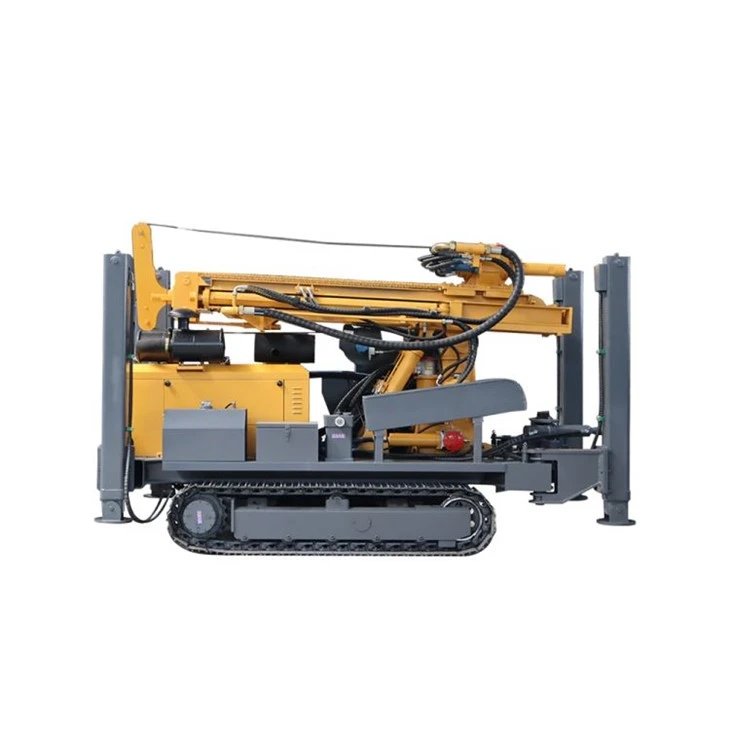

If you are in the market for a well drilling water truck or have any questions about pressure requirements, I encourage you to reach out for a detailed consultation. Our team of experts can help you select the right water truck with the appropriate pressure capabilities for your specific drilling project. Whether you are using water well drilling rigs or other types of drilling equipment, we can ensure that you have a reliable and efficient water delivery system.
References
- "Water Well Drilling Handbook" by the National Ground Water Association
- "Drilling Engineering" by John P. Young
- Technical manuals from leading well drilling equipment manufacturers