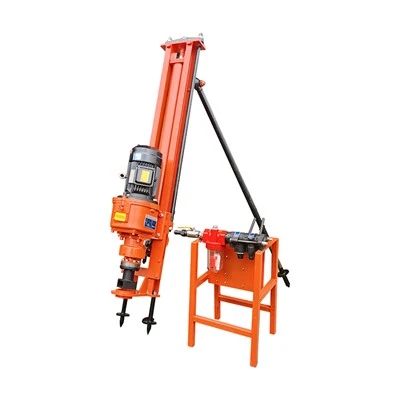
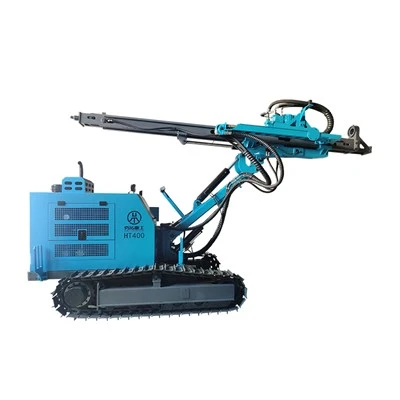
In the realm of down the hole (DTH) drilling, the rotary head plays a pivotal role, acting as a linchpin that significantly influences the efficiency, precision, and overall performance of the drilling operation. As a seasoned down the hole drilling supplier, I've witnessed firsthand the transformative impact of a well - functioning rotary head on various projects, from small - scale mining operations to large - scale infrastructure developments. In this blog, I'll delve into the functions of the rotary head in down the hole drilling, highlighting its importance and how it contributes to the success of these drilling endeavors.
Basic Structure and Principle of the Rotary Head
Before we explore its functions, it's essential to understand the basic structure and principle of the rotary head. The rotary head is a key component of the Down The Hole Drill Rig. It is typically composed of a motor, a gearbox, and a spindle. The motor provides the power source, which is then transmitted through the gearbox to the spindle. The gearbox can adjust the rotational speed and torque according to the specific requirements of the drilling operation. The spindle, on the other hand, is directly connected to the drill string, enabling it to rotate and transfer the necessary energy to the drill bit at the bottom of the hole.
Functions of the Rotary Head in Down the Hole Drilling
1. Rotation of the Drill String
The most fundamental function of the rotary head is to rotate the drill string. In down the hole drilling, the drill bit needs to rotate continuously to break through the rock or soil layers. The rotary head provides the necessary rotational force to turn the drill string, which is a series of connected drill pipes that extend from the surface to the bottom of the hole. The speed and torque of the rotation can be precisely controlled, allowing the drill bit to adapt to different geological conditions. For example, in soft soil layers, a higher rotational speed can be used to increase the drilling efficiency. In contrast, when drilling through hard rock, a lower speed but higher torque is required to ensure that the drill bit can effectively break the rock.
2. Torque Transmission
Torque is the rotational force that enables the drill bit to cut through the formation. The rotary head is responsible for transmitting the torque generated by the motor to the drill string. The design of the gearbox in the rotary head is crucial for efficient torque transmission. A well - designed gearbox can ensure that the torque is evenly distributed along the drill string, preventing excessive stress on any single part of the drill pipe. This not only extends the service life of the drill string but also improves the overall stability of the drilling operation. For instance, if the torque is not properly transmitted, it may cause the drill pipe to twist or break, leading to costly downtime and potential safety hazards.
3. Axial Load Support
In addition to rotation and torque transmission, the rotary head also supports the axial load of the drill string. As the drill bit penetrates deeper into the ground, the weight of the drill string increases, and the rotary head needs to bear this load. It is designed to handle the vertical force exerted by the drill string and maintain the stability of the drilling process. The axial load support function is especially important in deep - hole drilling, where the weight of the drill string can be substantial. If the rotary head fails to support the axial load effectively, it may result in the collapse of the drill string or inaccurate drilling.
4. Fluid Circulation
Fluid circulation is an integral part of down the hole drilling. The rotary head is equipped with a passage for the drilling fluid, which is usually water or a specialized drilling mud. The drilling fluid serves multiple purposes, such as cooling the drill bit, removing the cuttings from the hole, and stabilizing the borehole walls. The rotary head allows the drilling fluid to be pumped down through the drill string to the drill bit and then back up to the surface through the annulus between the drill string and the borehole wall. This continuous circulation of the drilling fluid is essential for maintaining the efficiency and safety of the drilling operation. Without proper fluid circulation, the drill bit may overheat, and the cuttings may accumulate in the hole, causing blockages and reducing the drilling speed.
5. Directional Control
In some cases, down the hole drilling requires precise directional control. The rotary head can play a role in this aspect by adjusting the orientation of the drill string. By using advanced control systems, the rotary head can change the angle and direction of the drill string during the drilling process. This is particularly useful in horizontal drilling, directional drilling for oil and gas wells, or underground mining operations where the drill needs to follow a specific path. For example, in horizontal directional drilling, the rotary head can be adjusted to gradually change the direction of the drill bit, allowing it to reach the target location accurately.
Comparison with Other Drilling Rig Components
It's worth comparing the rotary head with other components in the drilling rig, such as the Top hammer drill rig. While the top hammer drill rig uses a hammering action from the top of the drill string to break the rock, the DTH drilling with a rotary head relies more on the continuous rotation of the drill bit. The rotary head provides a more stable and controlled drilling process, especially in hard rock formations. It can also achieve higher drilling depths compared to some top hammer drill rigs.
Impact on Drilling Efficiency and Quality
The performance of the rotary head has a direct impact on the drilling efficiency and quality. A high - quality rotary head with precise control of rotation speed, torque, and fluid circulation can significantly increase the drilling speed. It allows the drill bit to cut through the formation more effectively, reducing the time required to complete a well. Moreover, the accurate directional control function of the rotary head ensures that the borehole is drilled according to the design specifications, improving the overall quality of the drilling project. For example, in a mining project, a well - drilled borehole can enhance the recovery rate of minerals, while in a geothermal project, it can ensure the proper functioning of the geothermal system.
The Role of the Rotary Head in Different Applications
The functions of the rotary head are crucial in various applications of down the hole drilling. In mining, it is used to drill blast holes for ore extraction. The ability to control the rotation and torque of the drill bit allows for precise drilling in different types of ore bodies, improving the fragmentation of the rock and reducing the cost of subsequent processing. In construction, down the hole drilling with a rotary head is used for foundation piling, where the accurate drilling of vertical or inclined holes is essential for the stability of the building. In the oil and gas industry, the rotary head is used in both exploration and production wells. It enables the drill bit to penetrate deep into the subsurface to reach the hydrocarbon reservoirs, and the directional control function is vital for horizontal drilling to increase the contact area with the reservoir.
Maintenance and Care of the Rotary Head
To ensure the proper functioning of the rotary head, regular maintenance and care are necessary. This includes checking the lubrication of the gearbox and spindle, inspecting the seals to prevent fluid leakage, and monitoring the wear and tear of the components. Timely replacement of worn - out parts can prevent major breakdowns and extend the service life of the rotary head. As a down the hole drilling supplier, we provide comprehensive maintenance guidelines and support to our customers to ensure the long - term performance of their drilling equipment.
Conclusion
In conclusion, the rotary head is an indispensable component in down the hole drilling. Its functions, including rotation of the drill string, torque transmission, axial load support, fluid circulation, and directional control, are essential for the success of drilling operations. Whether it's for mining, construction, or the oil and gas industry, a well - designed and well - maintained rotary head can significantly improve the efficiency and quality of the drilling process.
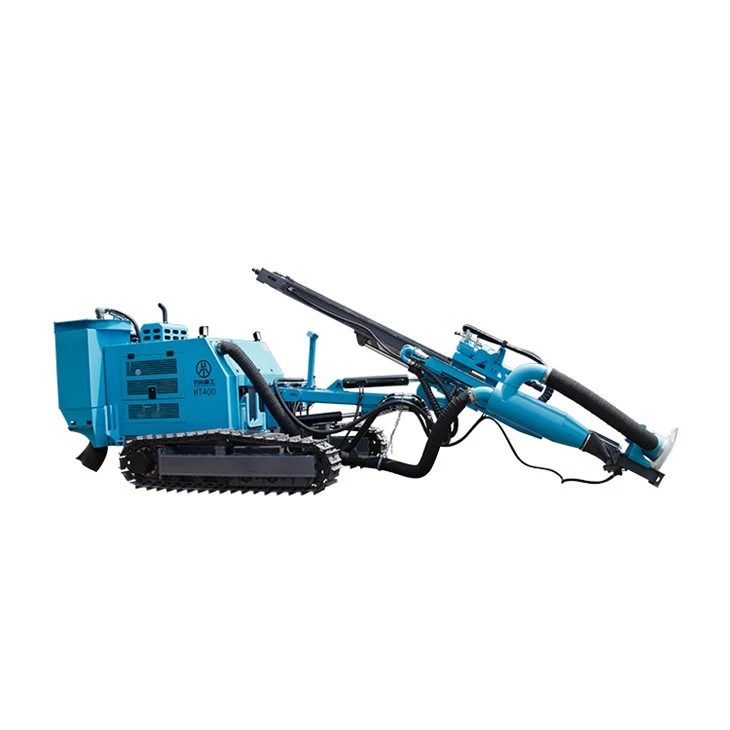
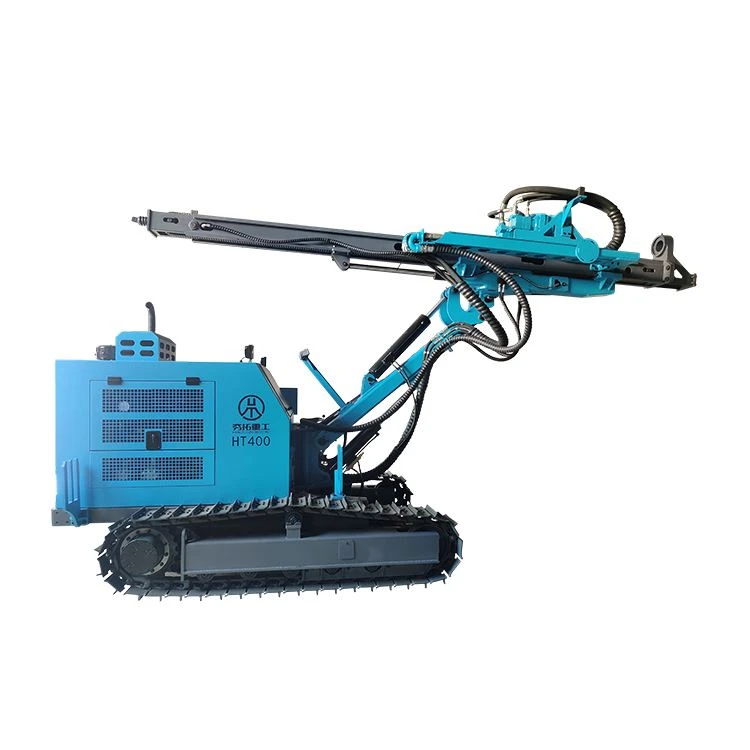
If you are in need of high - quality down the hole drilling equipment, including DTH Drilling Machine with advanced rotary heads, please feel free to contact us for procurement and further discussions. We are committed to providing you with the best solutions tailored to your specific needs.
References
- "Drilling Engineering Handbook"
- "Principles of Down the Hole Drilling"