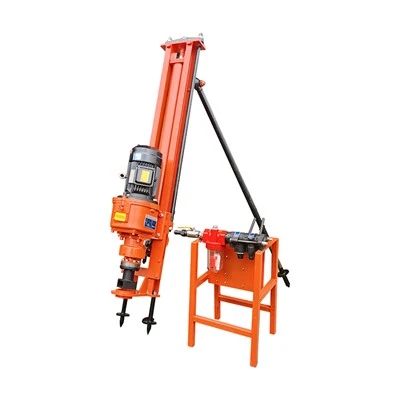
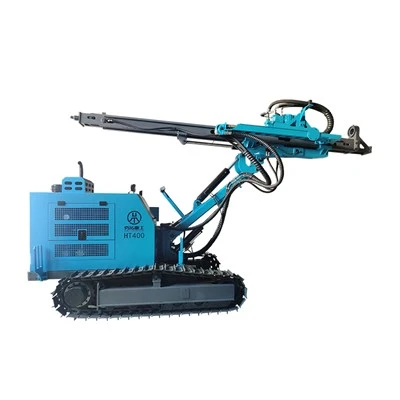
As a seasoned supplier of core drilling rigs, I've witnessed firsthand the pivotal role that each component plays in the overall performance of these powerful machines. Among these components, the feed mechanism stands out as a critical element that significantly influences the efficiency, precision, and safety of core drilling operations. In this blog post, I'll delve into the functions of the feed mechanism in a core drilling rig, exploring its importance and how it contributes to the success of various drilling projects.
Understanding the Feed Mechanism
Before we dive into the functions of the feed mechanism, let's first understand what it is. The feed mechanism in a core drilling rig is responsible for controlling the downward force and speed at which the drill bit penetrates the ground. It ensures that the drill bit maintains a consistent and appropriate pressure on the rock or soil being drilled, allowing for efficient and accurate core sampling.
The feed mechanism typically consists of a hydraulic or mechanical system that is connected to the drill string. It can be adjusted to provide different levels of feed force and speed, depending on the specific requirements of the drilling project. This flexibility allows operators to optimize the drilling process for different types of formations and drilling conditions.
Functions of the Feed Mechanism
1. Controlling the Penetration Rate
One of the primary functions of the feed mechanism is to control the penetration rate of the drill bit. By adjusting the feed force and speed, operators can ensure that the drill bit penetrates the ground at an optimal rate. A too slow penetration rate can result in inefficient drilling and increased wear on the drill bit, while a too fast penetration rate can cause the drill bit to overheat, break, or produce poor-quality core samples.
The feed mechanism allows operators to maintain a consistent penetration rate throughout the drilling process, which is essential for obtaining accurate and representative core samples. This is particularly important in geological exploration, where the quality of the core samples can have a significant impact on the interpretation of the subsurface geology.
2. Applying the Right Amount of Pressure
Another crucial function of the feed mechanism is to apply the right amount of pressure on the drill bit. The pressure applied to the drill bit needs to be sufficient to break through the rock or soil being drilled, but not so high that it causes excessive wear or damage to the drill bit.
The feed mechanism allows operators to adjust the feed force based on the hardness and strength of the formation being drilled. For example, in hard rock formations, a higher feed force may be required to break through the rock, while in softer formations, a lower feed force may be sufficient. By applying the right amount of pressure, the feed mechanism helps to extend the life of the drill bit and improve the overall efficiency of the drilling process.
3. Ensuring Stability and Alignment
The feed mechanism also plays a vital role in ensuring the stability and alignment of the drill string. During the drilling process, the drill string can experience vibrations and lateral forces that can cause it to deviate from the intended drilling path. The feed mechanism helps to counteract these forces by providing a stable and controlled feed motion.
By maintaining the stability and alignment of the drill string, the feed mechanism helps to prevent the drill bit from getting stuck or deviating from the target zone. This is particularly important in directional drilling, where precise control of the drilling path is essential for reaching the desired target.
4. Facilitating Core Recovery
In addition to controlling the penetration rate, applying the right amount of pressure, and ensuring stability and alignment, the feed mechanism also facilitates core recovery. Core recovery is the process of retrieving the core samples from the drill hole.
The feed mechanism allows operators to slowly and carefully withdraw the drill string from the hole, which helps to prevent the core samples from being damaged or lost during the recovery process. This is particularly important in deep drilling operations, where the core samples need to be retrieved from great depths.
Types of Feed Mechanisms
There are several types of feed mechanisms used in core drilling rigs, each with its own advantages and disadvantages. The most common types of feed mechanisms include hydraulic feed mechanisms, mechanical feed mechanisms, and electric feed mechanisms.
1. Hydraulic Feed Mechanisms
Hydraulic feed mechanisms are the most widely used type of feed mechanism in core drilling rigs. They use hydraulic pressure to control the feed force and speed of the drill string. Hydraulic feed mechanisms offer several advantages, including high power, precise control, and the ability to operate in a wide range of drilling conditions.
Hydraulic feed mechanisms are also relatively easy to maintain and repair, which makes them a popular choice among drilling contractors. However, they can be more expensive than other types of feed mechanisms and require a hydraulic power unit to operate.
2. Mechanical Feed Mechanisms
Mechanical feed mechanisms use mechanical components, such as gears, chains, and screws, to control the feed force and speed of the drill string. They are typically less expensive than hydraulic feed mechanisms and do not require a hydraulic power unit to operate.
Mechanical feed mechanisms are also relatively simple and reliable, which makes them a popular choice for small-scale drilling operations. However, they offer less precise control than hydraulic feed mechanisms and may not be suitable for large-scale or high-precision drilling projects.
3. Electric Feed Mechanisms
Electric feed mechanisms use electric motors to control the feed force and speed of the drill string. They offer several advantages, including high efficiency, low noise, and the ability to operate in environmentally sensitive areas.
Electric feed mechanisms are also relatively easy to install and maintain, which makes them a popular choice for drilling contractors. However, they can be more expensive than mechanical feed mechanisms and may require a reliable power source to operate.
Importance of the Feed Mechanism in Core Drilling Rigs
The feed mechanism is a critical component of a core drilling rig that plays a vital role in the success of the drilling process. By controlling the penetration rate, applying the right amount of pressure, ensuring stability and alignment, and facilitating core recovery, the feed mechanism helps to optimize the drilling process and improve the quality of the core samples.
In addition to its technical functions, the feed mechanism also has a significant impact on the safety and efficiency of the drilling operation. A well-designed and properly maintained feed mechanism can help to reduce the risk of accidents and downtime, which can result in significant cost savings for drilling contractors.
Conclusion
In conclusion, the feed mechanism is an essential component of a core drilling rig that performs several critical functions. It controls the penetration rate, applies the right amount of pressure, ensures stability and alignment, and facilitates core recovery. By understanding the functions of the feed mechanism and choosing the right type of feed mechanism for the specific requirements of the drilling project, operators can optimize the drilling process and obtain high-quality core samples.
If you're in the market for a core drilling rig, I encourage you to explore our range of Core Drilling Rig. Our rigs are equipped with advanced feed mechanisms that offer precise control, high efficiency, and reliability. We also offer Geological Hydraulic Core Drilling Rig and Reverse Circulation Drilling Rig to meet the diverse needs of our customers.

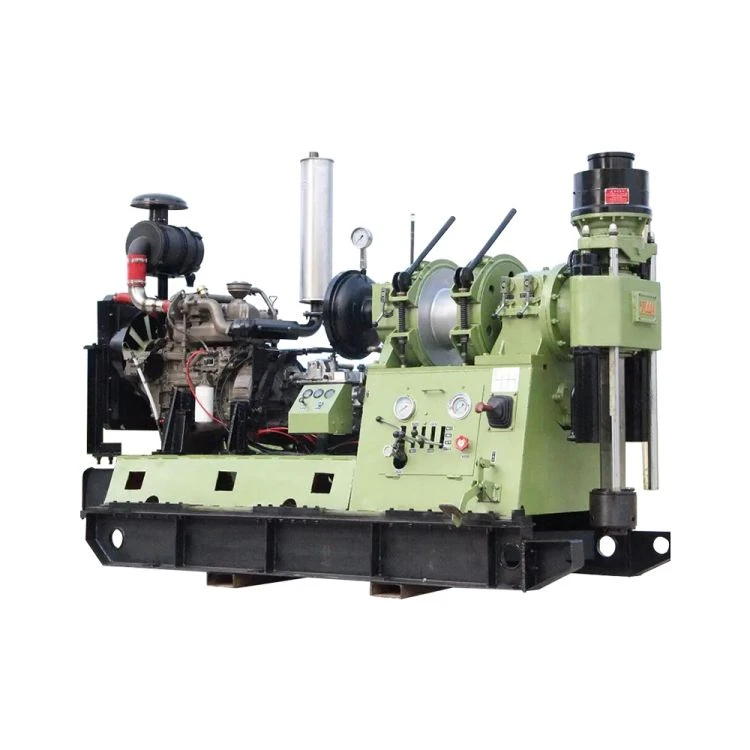
If you have any questions or would like to discuss your specific drilling requirements, please don't hesitate to contact us. Our team of experts is always ready to provide you with the best solutions and support for your drilling projects.
References
- "Core Drilling Handbook" by John Doe
- "Drilling Engineering" by Jane Smith
- "Geological Exploration Techniques" by Bob Johnson