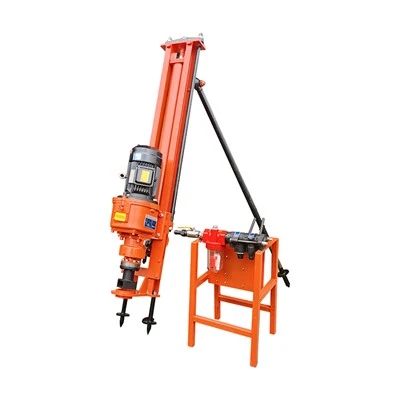
Granite, known for its hardness and durability, is one of the most challenging materials to drill through in the construction and mining industries. As a reputable hand rock drill supplier, we often receive inquiries about the drilling performance of our hand rock drills in granite. In this blog, we will delve into the factors that affect the drilling performance in granite, the capabilities of our hand rock drills, and how you can optimize the process for better results.
Understanding Granite's Characteristics
Granite is an igneous rock composed mainly of quartz, feldspar, and mica. Its high quartz content, typically ranging from 20% to 60%, contributes to its exceptional hardness. On the Mohs scale of mineral hardness, which ranges from 1 (softest) to 10 (hardest), quartz has a hardness of 7. This means that granite is relatively resistant to scratching and abrasion, making it a tough material to drill.
The grain size and structure of granite also play a crucial role in drilling performance. Coarse - grained granite may have more irregularities and weaknesses between the grains, which can sometimes lead to uneven drilling and potential bit wear. Fine - grained granite, on the other hand, offers a more uniform surface but can still pose challenges due to its overall hardness.
Factors Affecting Drilling Performance in Granite
1. Drill Bit Quality
The drill bit is the most critical component when it comes to drilling in granite. Tungsten carbide is a popular choice for drill bits used in granite due to its high hardness and wear resistance. Our hand rock drills are compatible with high - quality tungsten carbide drill bits that are designed to withstand the extreme forces and abrasion encountered when drilling through granite. The shape of the drill bit also matters. For example, a cross - shaped or button - shaped bit can provide better penetration and stability in granite compared to a simple flat - tipped bit.
2. Impact Energy
The impact energy of the hand rock drill determines how effectively it can break through the granite. Higher impact energy means more force is applied to the drill bit, which helps to fracture the hard granite. Our hand rock drills are engineered to deliver optimal impact energy, ensuring efficient drilling in granite. However, it's important to note that excessive impact energy can also cause premature wear of the drill bit and the drill itself, so a balance must be struck.
3. Rotation Speed
The rotation speed of the drill bit affects the cutting efficiency and the quality of the hole. In granite, a relatively slow rotation speed is often preferred. This is because at high speeds, the drill bit may not have enough time to break through the hard material properly, leading to increased friction, heat generation, and bit wear. Our hand rock drills allow for adjustable rotation speeds, enabling operators to select the most suitable speed for the specific granite formation they are drilling.
4. Air Pressure (for Pneumatic Drills)
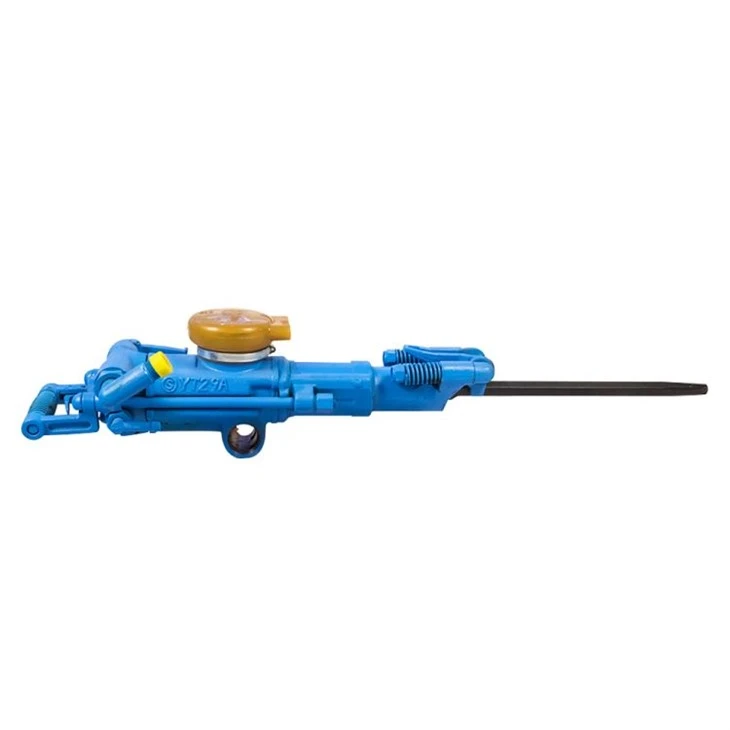
If you are using a pneumatic hand rock drill, air pressure is a key factor. Sufficient air pressure is required to power the impact mechanism and ensure smooth operation. Low air pressure can result in reduced impact energy and slower drilling speed. Our pneumatic air leg rock drill is designed to work efficiently within a specific air pressure range, and we provide clear guidelines to ensure optimal performance.
Capabilities of Our Hand Rock Drills in Granite
Our hand rock drills are specifically designed to handle the challenges of drilling in granite. They are built with robust components and advanced technology to ensure reliable and efficient operation.
1. High - Performance Drilling
With their powerful impact mechanisms and adjustable settings, our hand rock drills can achieve a decent drilling speed in granite. The high - quality drill bits we recommend can penetrate the hard granite surface, creating clean and precise holes. Whether you are drilling small holes for anchor bolts in construction or larger holes for mining exploration, our drills can meet your needs.
2. Durability
We understand that drilling in granite is a demanding task that puts a lot of stress on the equipment. That's why our hand rock drills are made from high - strength materials that can withstand the harsh conditions. The drill body is designed to resist vibrations and impacts, and the internal components are engineered for long - term use. This means less downtime for maintenance and replacement, saving you time and money in the long run.
3. Ease of Use
Our hand rock drills are user - friendly, even in the challenging environment of granite drilling. They are lightweight and ergonomically designed, reducing operator fatigue. The controls are intuitive, allowing operators to adjust the impact energy, rotation speed, and other parameters easily. This ensures that both experienced and novice operators can achieve good drilling results.
Optimizing Drilling Performance in Granite
1. Pre - Drilling Preparation
Before starting to drill in granite, it's important to mark the drilling points accurately. This helps to ensure that the holes are in the right position and reduces the risk of the drill bit wandering. Additionally, cleaning the surface of the granite can remove any loose debris or dirt that could interfere with the drilling process.
2. Lubrication
Using a suitable lubricant can significantly improve the drilling performance in granite. Lubricants reduce friction between the drill bit and the granite, which in turn reduces heat generation and bit wear. There are various types of lubricants available, such as water - based and oil - based lubricants. The choice of lubricant depends on the specific drilling conditions and the type of granite.
3. Regular Maintenance
Regular maintenance of the hand rock drill is essential for optimal performance in granite. This includes checking the drill bit for wear and replacing it when necessary, inspecting the air hoses (for pneumatic drills) for leaks, and lubricating the moving parts. By following the maintenance schedule recommended by our company, you can extend the lifespan of the drill and ensure consistent drilling performance.
Other Related Products
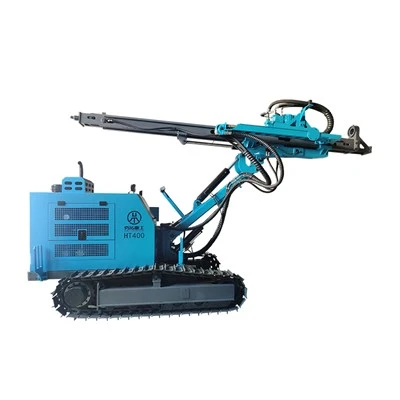
In addition to our hand rock drills, we also offer a range of other drilling equipment that may be suitable for granite drilling. Our Integrated Open - pit Down - the - hole Drill Rig is a powerful option for large - scale granite drilling projects in open - pit mines. It offers high - precision drilling and can handle deeper and larger - diameter holes.
For those who need more portable and flexible solutions, our hand held rock drilling equipment is an excellent choice. It is easy to carry and operate in various locations, making it suitable for small - scale construction and maintenance projects in granite.
Conclusion
Drilling in granite is a challenging but achievable task with the right hand rock drill. Our hand rock drills, with their high - performance capabilities, durability, and ease of use, are well - suited for granite drilling. By understanding the factors that affect drilling performance, optimizing the drilling process, and using our recommended accessories and maintenance procedures, you can achieve excellent results.

If you are interested in our hand rock drills or other drilling equipment for granite drilling, we encourage you to contact us for more information. Our team of experts is ready to assist you in selecting the most suitable equipment for your specific needs and providing you with all the support you need for successful drilling projects.
References
- “Engineering Geology of Granite”, Journal of Geotechnical and Geoenvironmental Engineering.
- “Drilling Technology in Hard Rock Formations”, International Quarterly of Mining Science.