What is the difference between new and second - hand drilling rods?
As a drilling rod supplier, I've encountered numerous inquiries from clients about the disparities between new and second - hand drilling rods. Understanding these differences is crucial for making informed purchasing decisions, whether you're involved in mining, construction, or any other industry that relies on drilling operations. In this blog, I'll delve into the various aspects that set new and second - hand drilling rods apart.
1. Quality and Performance
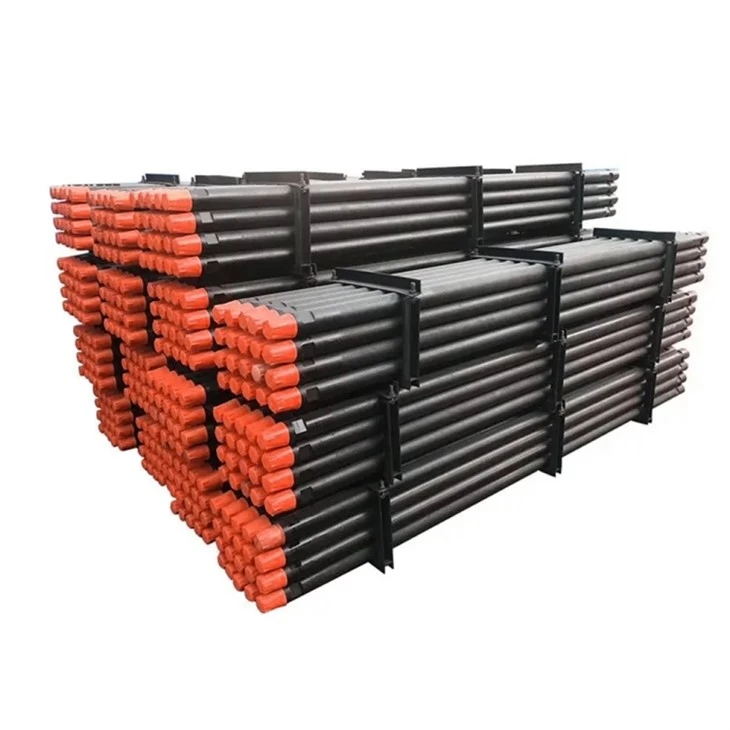
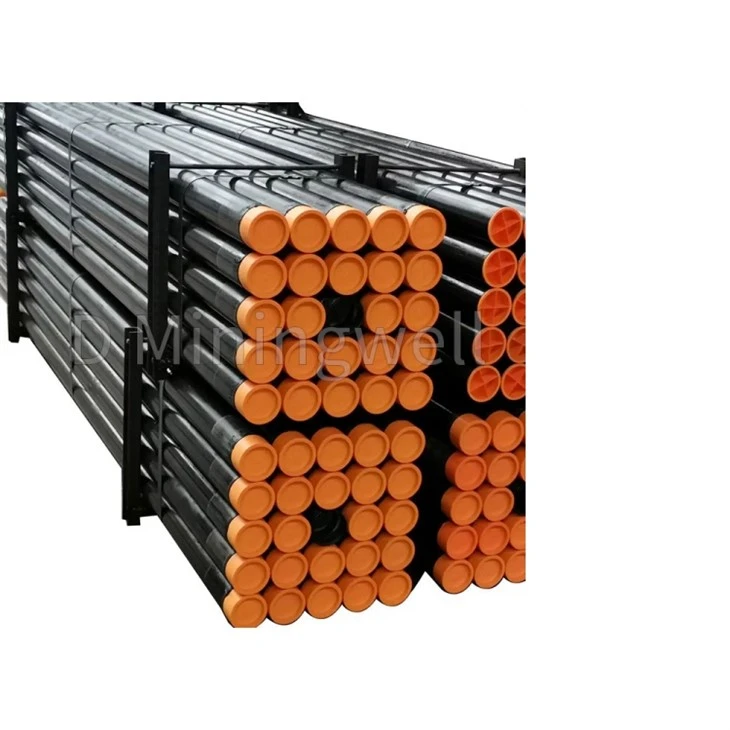
New drilling rods are manufactured to the highest industry standards. They are made from premium raw materials, which ensures their durability and strength. The manufacturing process involves strict quality control measures, from the initial forging to the final finishing touches. For instance, the heat - treatment process is carefully calibrated to enhance the rod's hardness and toughness, making it resistant to wear and tear during drilling.
On the other hand, second - hand drilling rods have already been used in various drilling projects. Their performance can be significantly affected by the previous usage. They may have experienced excessive wear on the threads, which can lead to poor connections between the rods. This can result in reduced drilling efficiency, as well as an increased risk of accidents due to rod separation during operation. The body of the second - hand rod may also have scratches, dents, or internal damage that is not immediately visible, which can compromise its overall strength and integrity.
2. Safety
Safety is of utmost importance in any drilling operation. New drilling rods offer a higher level of safety compared to second - hand ones. Since they are newly manufactured, they are less likely to have structural weaknesses or hidden defects. The manufacturers conduct rigorous testing on new rods to ensure they can withstand the high pressures and forces exerted during drilling.
Second - hand drilling rods, however, pose inherent safety risks. The integrity of the rod can be compromised by previous use, and it may be difficult to accurately assess the extent of the damage. For example, a rod with a hidden crack may suddenly break during drilling, causing serious injury to the operator and damage to the drilling equipment.
3. Cost
One of the main attractions of second - hand drilling rods is their lower upfront cost. For businesses on a tight budget, purchasing second - hand rods may seem like a cost - effective solution. However, it's important to consider the long - term costs. Second - hand rods may require more frequent maintenance and replacement due to their wear and tear. This can add up over time, making them less cost - effective in the long run.
New drilling rods, while more expensive initially, offer better value for money in the long term. They have a longer lifespan, require less maintenance, and provide more reliable performance. Investing in new rods can lead to increased productivity and fewer downtime due to equipment failure.
4. Compatibility
New drilling rods are designed to be fully compatible with the latest drilling equipment. They are manufactured to precise specifications to ensure a perfect fit with the drill bits and other components. This compatibility is essential for optimal drilling performance, as it allows for efficient transfer of power and torque.
Second - hand drilling rods may not be as compatible with modern equipment. They may have different thread sizes or dimensions that are not compatible with the latest drill bits or drilling rigs. This can lead to difficulties in installation and operation, and may also affect the overall drilling performance.
5. Customization
When you purchase new drilling rods, you have the option to customize them according to your specific requirements. You can choose the length, diameter, and thread type of the rod, as well as the special coatings or treatments that may be required for your particular drilling application. This customization ensures that the rod is perfectly suited to your needs, which can improve drilling efficiency and productivity.
Second - hand drilling rods are usually sold as is, with limited or no customization options. You may have to make do with the existing specifications of the rod, even if they are not ideal for your project.
Types of Drilling Rods
There are different types of drilling rods available in the market, each with its own characteristics. rock Drill Rods are designed specifically for drilling in hard rock formations. They are made from high - strength materials and are engineered to withstand the extreme forces encountered in rock drilling.
Tapered drill rods are often used in mining and tunneling operations. Their tapered design allows for easy connection and disconnection of the rods, which is essential for efficient drilling in confined spaces.
Threaded Drill Rod are commonly used in core drilling applications. The threaded connection provides a secure and reliable joint between the rods, ensuring accurate and efficient drilling.
Making the Right Choice
When deciding between new and second - hand drilling rods, it's important to consider your specific needs and budget. If you're working on a large - scale project that requires high - performance and reliable equipment, investing in new drilling rods is the best option. However, if you're on a tight budget and the project has less demanding requirements, second - hand rods may be a viable alternative.
As a drilling rod supplier, I'm here to help you make the right decision. I can provide you with detailed information about the different types of drilling rods, their features, and their suitability for your specific application. Whether you choose new or second - hand rods, I can ensure that you get the best quality products at a competitive price.
If you're interested in purchasing drilling rods or have any questions, please don't hesitate to contact me. I look forward to discussing your requirements and helping you find the perfect drilling rods for your project.
References
- Industry standards and guidelines for drilling rod manufacturing.
- Technical literature from drilling rod manufacturers.