Let's talk about the difference between a single - acting and a double - acting DTH (Down - the - Hole) hammer. As a DTH hammer supplier, I've seen firsthand how these two types of hammers perform in various drilling scenarios, and I'd like to share some insights with you.
How They Work
First off, let's start with how each one operates. A single - acting DTH hammer has a relatively straightforward working mechanism. In a single - acting hammer, the compressed air is used mainly for lifting the piston. When the piston reaches the top of its stroke, it drops by gravity to strike the drill bit. The force of the blow is pretty much reliant on the height from which the piston falls and its own weight.
On the other hand, a double - acting DTH hammer uses compressed air for two main purposes. Compressed air not only lifts the piston but also provides a downward force to push the piston onto the drill bit. This means that the piston is actively driven both upwards and downwards by the air pressure.
This difference in the working mechanism leads to significant disparities in performance, efficiency, and the type of applications they're best suited for.
Performance and Efficiency
When it comes to performance, the double - acting DTH hammer usually takes the lead. Since it uses compressed air to both raise and lower the piston, it can deliver a more powerful blow. This is because the downward force from the compressed air adds to the piston's momentum. In single - acting hammers, as the piston falls under gravity, its striking force is limited by its weight and the height of the fall.
In terms of drilling speed, double - acting hammers can drill faster. They can produce a higher number of blows per minute compared to single - acting hammers. This is super important when you're working on large - scale projects where time is money. A faster - drilling hammer means you can complete the job in less time, which can save you a lot of costs in the long run.
However, efficiency isn't just about speed. It also involves energy consumption. Single - acting DTH hammers are generally more energy - efficient. Because they rely mostly on gravity for the downward stroke, they use less compressed air. This can be a significant advantage in areas where air supply is limited or expensive. If you're working in a remote location with a small compressor, a single - acting hammer might be the better choice to make your air supply last longer.
Applications
The choice between a single - acting and double - acting DTH hammer also depends on the type of drilling job. For softer rock formations, a single - acting DTH hammer can often do the job just fine. Their lower energy consumption makes them cost - effective, and they can still penetrate soft rocks efficiently. They're also commonly used in smaller - scale projects, like small - hole drilling for geotechnical investigations or anchor installation.
When it comes to harder rock formations, a double - acting DTH hammer shines. The additional force it can deliver is crucial for breaking through tough rocks. Large - scale mining operations, quarrying, and major construction projects where deep and large - diameter holes are required often use double - acting hammers.
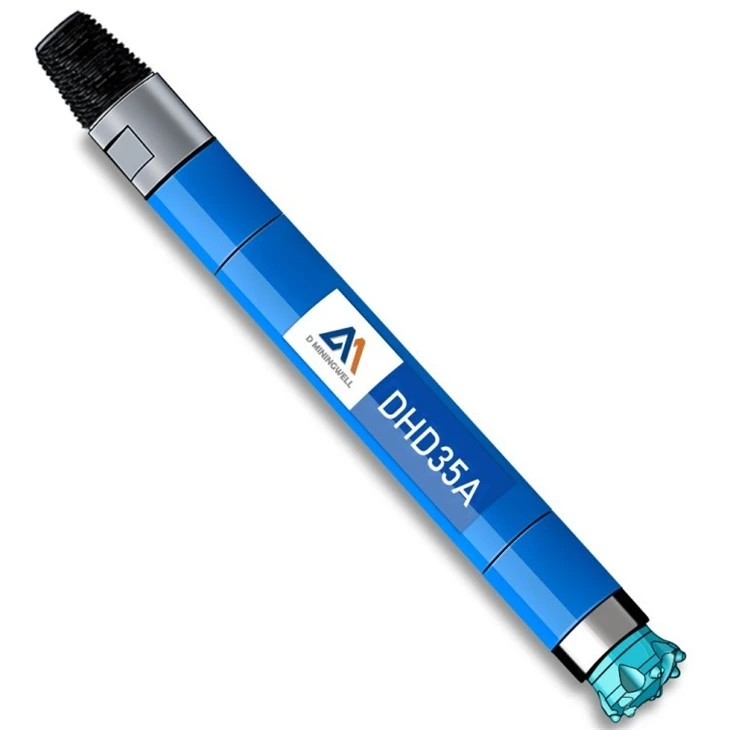
If you're looking for high - performance options, you might want to check out our high air pressure dth hammer and High Pressure DTH Hammer. These are particularly well - suited for challenging rock conditions and can be either single - acting or double - acting depending on your needs.
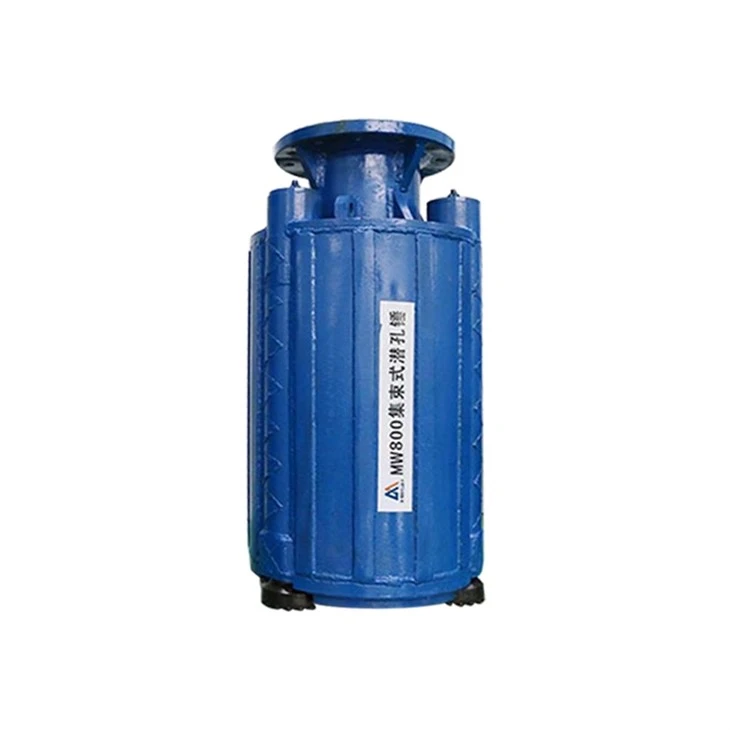
Another specialized type is the Cluster DTH Drilling Hammer. This type of hammer can be designed in both single - and double - acting variants, and it's great for piling and large - scale groundwork projects.
Maintenance
Maintenance is another important factor to consider. Single - acting DTH hammers tend to have a simpler design. With fewer moving parts that rely on compressed air, there are fewer components that can break down. This usually means lower maintenance costs and less downtime. You can often do basic maintenance tasks yourself with a little bit of training.
Double - acting DTH hammers, on the other hand, have a more complex design. The additional air - driven components mean that there's more that can go wrong. However, with proper maintenance and regular inspections, they can still have a long lifespan. It's important to follow the manufacturer's maintenance schedule to keep them running smoothly.
Cost
Cost is always a major consideration. Single - acting DTH hammers are generally less expensive to purchase. Their simpler design not only reduces the manufacturing cost but also makes them more affordable for smaller contractors or those on a tight budget.
Double - acting hammers are pricier. Their higher performance comes at a cost. But if you're working on a large - scale project where speed and power are essential, the higher upfront cost can be offset by the savings in time and increased productivity.
Making the Right Choice
So, how do you decide which type of DTH hammer is right for you? First, think about the type of rock you'll be drilling. If it's soft rock and you're on a budget or have limited air supply, a single - acting hammer is a good option. If you're dealing with hard rock and need to drill quickly, a double - acting hammer is probably your best bet.
Consider the scale of your project as well. Small - scale projects might not require the high - end performance of a double - acting hammer, while large - scale operations can benefit greatly from its power and speed.
As a DTH hammer supplier, we're here to help you make the best choice for your specific needs. We have a wide range of single - acting and double - acting DTH hammers, each designed to meet different requirements. If you're interested in learning more or are ready to make a purchase, don't hesitate to reach out. We can provide you with detailed product information, pricing, and even help you with after - sales support.
In conclusion, understanding the differences between single - acting and double - acting DTH hammers is crucial for making an informed decision. Whether you're a small contractor or a large - scale mining company, choosing the right hammer can make a big difference in the success of your project.
References
- Industry reports on DTH hammer technology and performance.
- Manufacturer's specifications and documentation for single - acting and double - acting DTH hammers.