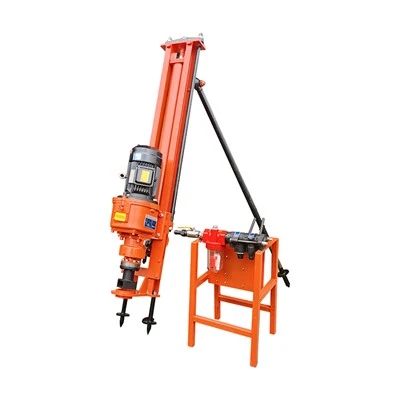
As a provider of pneumatic air leg rock drills, I've witnessed firsthand the challenges that operators face in managing maintenance costs. These powerful tools are essential in various industries, such as mining, construction, and tunneling. However, the cost of upkeep can quickly accumulate, impacting the bottom line of businesses. In this blog, I'll share some practical strategies to help you reduce the maintenance cost of your pneumatic air leg rock drill.
Understanding the Basics of Pneumatic Air Leg Rock Drills
Before diving into cost - reduction strategies, it's crucial to understand how pneumatic air leg rock drills work. These drills are powered by compressed air, which drives a piston to create the impact force needed to break through rock. The air leg provides support and stability during the drilling process, allowing for more precise and efficient operation.
The main components of a pneumatic air leg rock drill include the drill body, piston, valve system, air leg, and drill bit. Each part plays a vital role in the drill's performance, and proper maintenance of these components is key to reducing overall costs.
Regular Inspection and Cleaning
One of the most effective ways to reduce maintenance costs is through regular inspection and cleaning. Inspect the drill before and after each use to identify any signs of wear, damage, or loose parts. Check the air hoses for leaks, the drill bit for dullness or breakage, and the air leg for proper operation.
Cleaning the drill regularly helps prevent the buildup of dirt, dust, and debris, which can cause premature wear and damage to the components. Use a clean, dry cloth to wipe down the drill body, and use compressed air to blow out any debris from the air passages and valve system.
Proper Lubrication
Proper lubrication is essential for the smooth operation of a pneumatic air leg rock drill. Lubricating the moving parts reduces friction, which in turn reduces wear and tear and extends the lifespan of the components.
Use a high - quality pneumatic tool oil recommended by the manufacturer. Follow the manufacturer's guidelines on the frequency and amount of lubrication required. Over - lubrication can also cause problems, such as clogging the air passages, so it's important to get the balance right.
Correct Drill Bit Selection and Usage
The drill bit is one of the most critical components of a pneumatic air leg rock drill. Using the correct drill bit for the specific rock type and drilling application can significantly reduce maintenance costs.
For example, if you're drilling in hard rock, use a drill bit with a carbide tip for better durability. Make sure the drill bit is properly installed and tightened to prevent it from coming loose during operation, which can cause damage to the drill body.
Also, avoid over - drilling or forcing the drill bit through the rock. This can cause excessive wear on the drill bit and other components of the drill. If the drill bit becomes dull, replace it promptly to maintain efficient drilling performance.
Operator Training
Well - trained operators are essential for reducing maintenance costs. Provide comprehensive training to your operators on the proper use, maintenance, and safety procedures of the pneumatic air leg rock drill.
Operators should be taught how to start and stop the drill correctly, how to adjust the air pressure, and how to handle the drill during operation. They should also be trained to recognize the signs of potential problems and how to perform basic troubleshooting.


Preventive Maintenance Schedule
Establishing a preventive maintenance schedule is crucial for reducing long - term maintenance costs. A preventive maintenance schedule outlines the tasks that need to be performed at specific intervals, such as daily, weekly, monthly, and annually.
For example, daily tasks may include inspection and cleaning, while weekly tasks may involve lubrication and checking the air pressure. Monthly tasks could include more in - depth inspections of the internal components, and annual tasks may involve a complete overhaul of the drill.
Partnering with a Reliable Supplier
As a pneumatic air leg rock drill supplier, I understand the importance of providing high - quality products and reliable support. When you partner with a reputable supplier, you can expect to receive well - made drills that are less likely to require frequent repairs.
A good supplier will also offer technical support, training, and access to genuine replacement parts. Using genuine replacement parts ensures that your drill operates at its best and reduces the risk of compatibility issues and premature failure.
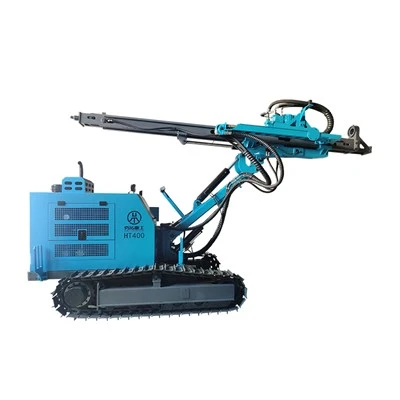
If you're interested in our pneumatic air leg rock drills, we also have other related products such as Hand Held Rock Drill and small down the hole drilling equipment.
Conclusion
Reducing the maintenance cost of a pneumatic air leg rock drill requires a combination of regular inspection, proper lubrication, correct drill bit selection, operator training, and a preventive maintenance schedule. By implementing these strategies, you can extend the lifespan of your drill, improve its performance, and ultimately save money on maintenance and replacement costs.
If you're looking to purchase a new pneumatic air leg rock drill or need assistance with reducing your maintenance costs, feel free to contact us. We're here to help you make the most of your investment in our drilling equipment.
References
- Manufacturer's manuals for pneumatic air leg rock drills
- Industry best practices for pneumatic tool maintenance
- Technical papers on rock drilling equipment maintenance