As a seasoned supplier of drilling bits, I often encounter various questions from our clients. One of the most common inquiries is, "Do I need to replace the drill bit if it starts to smoke?" This question is crucial as it not only pertains to the efficiency of the drilling operation but also to the safety and cost - effectiveness of the entire process.
Understanding the Causes of a Smoking Drill Bit
Before deciding whether to replace a drill bit when it starts to smoke, it's essential to understand why it's smoking in the first place. There are several factors that can lead to a drill bit smoking.

Friction and Heat Buildup
The most common cause of a smoking drill bit is excessive friction. When the drill bit rotates against the material being drilled, friction generates heat. If the heat is not dissipated properly, it can cause the drill bit to overheat and start smoking. This can happen if the drill speed is too high, the feed rate is too slow, or if the drill bit is dull.
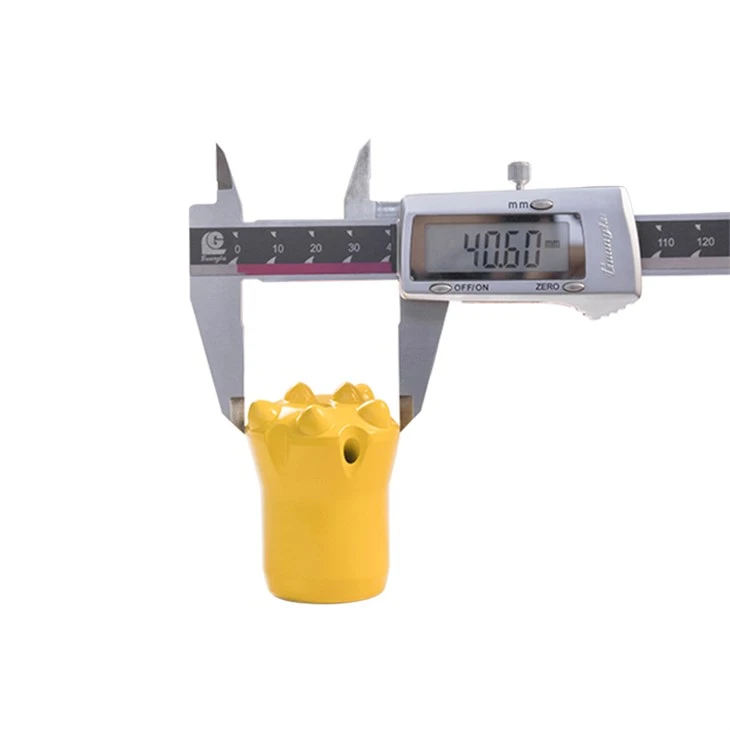
For instance, when using a Tapered Button Bit in hard rock drilling, if the rotational speed is set too high without an appropriate feed rate, the bit will rub against the rock for an extended period, generating excessive heat. The same goes for dth Drill Bit and PDC Bits. A dull bit also increases friction as it struggles to cut through the material, leading to heat buildup.
Inadequate Lubrication
Lubrication plays a vital role in reducing friction and heat during the drilling process. If there is not enough lubricant, the drill bit will experience more friction, which can result in smoking. Different types of drilling operations require different lubricants. For example, in water - well drilling with PDC Bits, water is often used as a lubricant and coolant. If the water supply is interrupted or insufficient, the bit can overheat.
Material Compatibility
Sometimes, the material being drilled may be incompatible with the drill bit. For example, using a drill bit designed for soft materials on extremely hard rock can cause the bit to wear out quickly and overheat. Each type of drill bit, such as the Tapered Button Bit or the dth Drill Bit, is engineered to work optimally with specific materials. Using them outside their intended range can lead to smoking and other performance issues.
Assessing the Damage When a Drill Bit Smokes
Once a drill bit starts to smoke, it's important to assess the damage to determine whether replacement is necessary.
Visual Inspection
The first step is to conduct a visual inspection of the drill bit. Look for signs of discoloration, which can indicate that the bit has been overheated. A blue or black discoloration on the cutting edges or the body of the bit suggests that the heat has affected the metal's properties. Check for any signs of melting or deformation. If the cutting edges are melted or the shape of the bit has changed, it's likely that the bit has been severely damaged and will need to be replaced.
Performance Testing
If the visual inspection doesn't show obvious signs of damage, you can perform a performance test. Try using the drill bit on a test piece of the same material. If the bit struggles to cut, produces a lot of vibration, or continues to generate excessive heat, it may be compromised. A drill bit that has been overheated may lose its hardness and sharpness, resulting in poor drilling performance.
When Replacement is Necessary
There are certain situations where replacing the drill bit is the best course of action.
Severe Heat Damage
If the drill bit has been severely overheated, as indicated by significant discoloration, melting, or deformation, replacement is usually necessary. Overheating can change the metallurgical properties of the bit, making it less durable and less effective. A damaged bit will not only perform poorly but can also cause damage to the drilling equipment and the material being drilled.
Repeated Smoking
If the drill bit starts to smoke repeatedly, even after adjustments to the drilling parameters and lubrication, it's a sign that the bit is no longer in good condition. Repeated overheating can cause cumulative damage to the bit, and it will only get worse over time. Continuing to use a bit that smokes frequently can lead to more serious problems, such as equipment breakdown or safety hazards.
Safety Concerns
In some cases, a smoking drill bit can pose a safety risk. If the bit is overheating to the point where it could cause a fire or if it is likely to break during operation, replacement is essential. A broken drill bit can cause flying debris, which can be dangerous to the operator and those in the vicinity.
When Replacement May Not Be Necessary
However, there are also situations where replacement may not be necessary immediately.
Minor Overheating
If the smoking is due to a one - time incident, such as a brief interruption in lubrication or a temporary increase in drill speed, and the bit shows no signs of significant damage after a visual inspection and performance test, it may still be usable. In such cases, you can try to correct the underlying issue, such as adjusting the drilling parameters or increasing the lubrication, and then monitor the bit's performance.
Cost - Benefit Analysis
In some situations, especially for large - scale drilling operations, it may be more cost - effective to continue using a slightly damaged drill bit for a short period until it can be replaced during a scheduled maintenance. However, this should only be done after a careful assessment of the risks and benefits.
Preventing Drill Bit Smoking
To avoid the problem of smoking drill bits in the first place, there are several preventive measures that can be taken.
Proper Drilling Parameters
Ensure that the drill speed and feed rate are set correctly for the material being drilled and the type of drill bit being used. Refer to the manufacturer's guidelines for the recommended parameters. For example, when using a PDC Bit for well drilling, the speed and feed rate should be adjusted according to the hardness and composition of the rock formation.
Adequate Lubrication
Make sure that there is an adequate supply of lubricant during the drilling process. Regularly check the lubrication system to ensure that it is functioning properly. Use the appropriate lubricant for the specific drilling operation.
Bit Selection
Choose the right drill bit for the job. Consider the material, the drilling conditions, and the required drilling performance. Using the correct drill bit, such as a Tapered Button Bit for hard rock or a dth Drill Bit for deep - hole drilling, will reduce the risk of overheating and smoking.
Conclusion
In conclusion, whether you need to replace a drill bit when it starts to smoke depends on several factors. A careful assessment of the damage, including visual inspection and performance testing, is necessary to make an informed decision. In some cases, replacement is the best option, especially when there is severe heat damage or repeated smoking. However, in other situations, minor overheating may not require immediate replacement if the bit can still perform adequately after corrective measures are taken.
As a drilling bits supplier, we are committed to providing high - quality drill bits and expert advice to our customers. If you have any questions about drill bit selection, maintenance, or replacement, we are here to help. Contact us to discuss your drilling needs and explore the best solutions for your projects.
References
- Manufacturer's manuals for Tapered Button Bit, dth Drill Bit, and PDC Bits.
- Industry standards and guidelines for drilling operations.
- Technical papers on drill bit performance and heat management.