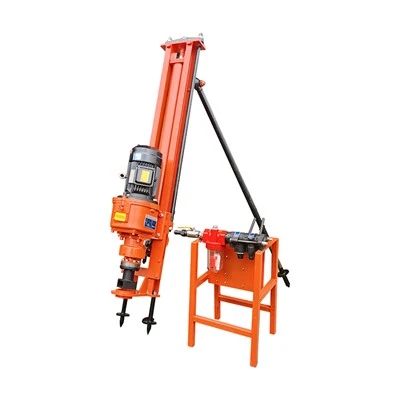
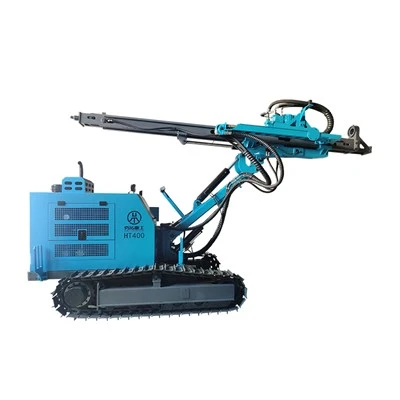
Hey there! I'm a supplier of water well drilling rig trucks, and I'm here to share some important safety regulations for operating these bad boys. Whether you're a seasoned pro or just starting out in the water well drilling game, safety should always be your top priority. So, let's dive in and take a look at what you need to know.
Pre - operation Safety Checks
Before you even think about firing up that water well drilling rig truck, there are a bunch of pre - operation safety checks you gotta do. First off, give the entire truck a visual inspection. Look for any signs of damage, like cracks in the frame, loose bolts, or leaks. You don't want to start drilling and then have something fall apart on you halfway through.
Check the tires. Make sure they're properly inflated and don't have any major cuts or bald spots. A flat tire in the middle of a job can be a real pain in the butt and also a safety hazard.
The brakes are another crucial part. Test them out to make sure they're working smoothly. You need to be able to stop the truck quickly if something goes wrong.
Don't forget about the hydraulic system. Inspect the hoses for any signs of wear and tear. Hydraulic fluid leaks can not only cause a mess but also lead to a loss of power in the drilling rig.
And let's talk about the rig itself. Check the drill bits. They should be sharp and in good condition. Dull drill bits can make the drilling process much harder and less efficient. Also, make sure the mast is properly secured and in the right position. You don't want it to tip over while you're drilling.
Personal Protective Equipment (PPE)
Wearing the right PPE is non - negotiable when operating a water well drilling rig truck. First, a hard hat is a must. You never know when something might fall from above, like a tool or a piece of debris.
Safety glasses are essential to protect your eyes from flying dirt, rocks, and other particles. You don't want to end up with something in your eye and risk losing your vision.
Ear protection is also important. Drilling rigs can be really loud, and long - term exposure to that noise can damage your hearing. So, wear earplugs or earmuffs.
Steel - toed boots are a no - brainer. They'll protect your feet from heavy objects that might accidentally drop on them.


Gloves are necessary too. They'll give you a better grip on the tools and protect your hands from cuts, abrasions, and chemicals.
Operating the Drilling Rig
When you're actually operating the water well drilling rig, there are some key safety rules to follow. First, make sure you're familiar with the controls. Read the operator's manual thoroughly before you start. Don't just wing it and hope for the best.
Keep a safe distance from the rotating parts of the rig. The drill string and the motor can cause serious injuries if you get too close.
Don't overload the rig. Each rig has a maximum capacity, and if you try to drill beyond that, it can lead to mechanical failures and accidents.
When you're moving the truck with the rig attached, go slow and be extra careful. The added weight and size of the rig can affect the truck's handling.
If you're drilling in an area with underground utilities, make sure you know where they are. You don't want to accidentally hit a gas line, water pipe, or electrical cable. It can be extremely dangerous and cause a lot of damage.
Maintenance and Repairs
Regular maintenance is key to keeping your water well drilling rig truck safe and in good working condition. Follow the manufacturer's recommended maintenance schedule. This includes things like changing the oil, filters, and lubricating the moving parts.
When it comes to repairs, only use qualified technicians. Don't try to fix things yourself if you're not trained. A botched repair can make the problem worse and put you at risk.
Keep a record of all maintenance and repairs. This will help you keep track of the rig's history and ensure that everything is being done correctly.
Emergency Procedures
You should always have a plan in place for emergencies. Know where the fire extinguishers are located on the truck and how to use them. Fires can break out due to electrical problems or hydraulic fluid leaks.
Have a first - aid kit on board. In case someone gets injured, you can provide immediate care until medical help arrives.
If there's an equipment failure or an accident, stop the operation immediately. Assess the situation and take the necessary steps to prevent further damage or injury.
Environmental Considerations
When operating a water well drilling rig truck, you also need to think about the environment. Don't let drilling fluids or other chemicals contaminate the soil or water sources. Dispose of them properly according to local regulations.
Be aware of the wildlife in the area. Try not to disrupt their habitats as much as possible.
Training and Certification
All operators of water well drilling rig trucks should receive proper training. This training should cover everything from safety procedures to operating the rig itself.
Getting certified is also a great idea. It shows that you have the knowledge and skills to operate the rig safely. Many employers and clients prefer to work with certified operators.
If you're in the market for a water well drilling rig truck, we've got some great options. Check out our Light Truck Mounted Borehole Drilling Machine, groundwater drilling rig, and small water well drilling rig.
If you're interested in learning more or making a purchase, don't hesitate to reach out. We're here to help you find the right rig for your needs and ensure you have all the information you need to operate it safely.
References
- American National Standards Institute (ANSI). Safety standards for drilling equipment.
- Occupational Safety and Health Administration (OSHA). Guidelines for operating heavy machinery.
- Manufacturer's operator manuals for water well drilling rig trucks.