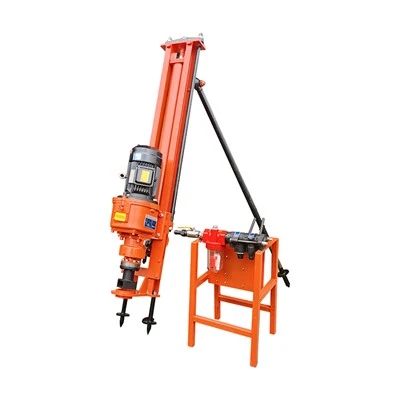
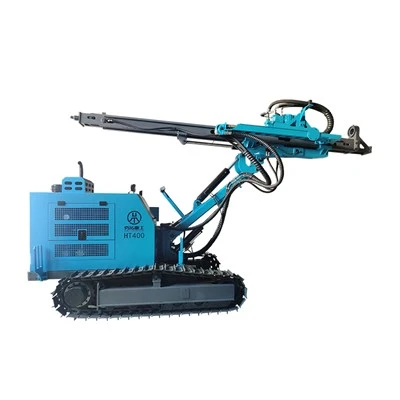
Hey there! I'm a supplier of drilling rigs, and today I wanna talk about the key components of a drilling rig. Whether you're in the mining, water well, or construction industry, understanding these components is crucial for making the right choice when it comes to buying a drilling rig.
The Power System
First up, we've got the power system. This is the heart of the drilling rig, providing the energy needed to run all the other components. There are different types of power systems, but the most common ones are diesel engines and electric motors.
Diesel engines are popular because they're powerful and can work in remote areas where there's no access to electricity. They're also pretty reliable and can handle tough conditions. But they do have some downsides. They're noisy, produce emissions, and require regular maintenance.
On the other hand, electric motors are more environmentally friendly and quieter. They're also more energy - efficient in the long run. However, they need a stable power source, which can be a problem in some locations.
If you're looking for a deep well drilling rig, you'll need a power system that can handle the high demands of drilling deep into the ground. Check out our deep well drilling rig for a rig with a powerful and reliable power system.
The Hoisting System
The hoisting system is responsible for raising and lowering the drill string. It consists of a winch, a cable, and a set of pulleys. The winch is powered by the rig's power system and is used to wind and unwind the cable.
The cable is attached to the top of the drill string and is used to lift it out of the hole or lower it back in. The pulleys help to guide the cable and change its direction. A good hoisting system needs to be strong enough to handle the weight of the drill string, especially when drilling at great depths.
The Rotating System
The rotating system is what makes the drill bit turn. It usually includes a rotary table or a top - drive system. The rotary table is a large, flat disk that sits on top of the rig's mast. The drill string is inserted through a hole in the center of the table, and the table rotates, causing the drill bit to turn.
A top - drive system, on the other hand, is a more advanced option. It's located at the top of the mast and directly drives the drill string. This system is more efficient and allows for better control of the drilling process. It also reduces the wear and tear on the drill string.
The Circulation System
The circulation system is essential for keeping the drill bit cool and removing the cuttings from the hole. It typically includes a mud pump, mud tanks, and a set of pipes. The mud pump is used to pump drilling fluid, usually a mixture of water, clay, and chemicals, down the drill string and out through the drill bit.
The drilling fluid then carries the cuttings back up to the surface through the annulus (the space between the drill string and the borehole wall). At the surface, the cuttings are separated from the drilling fluid in the mud tanks, and the clean fluid is pumped back down the hole.
The Air Compressor
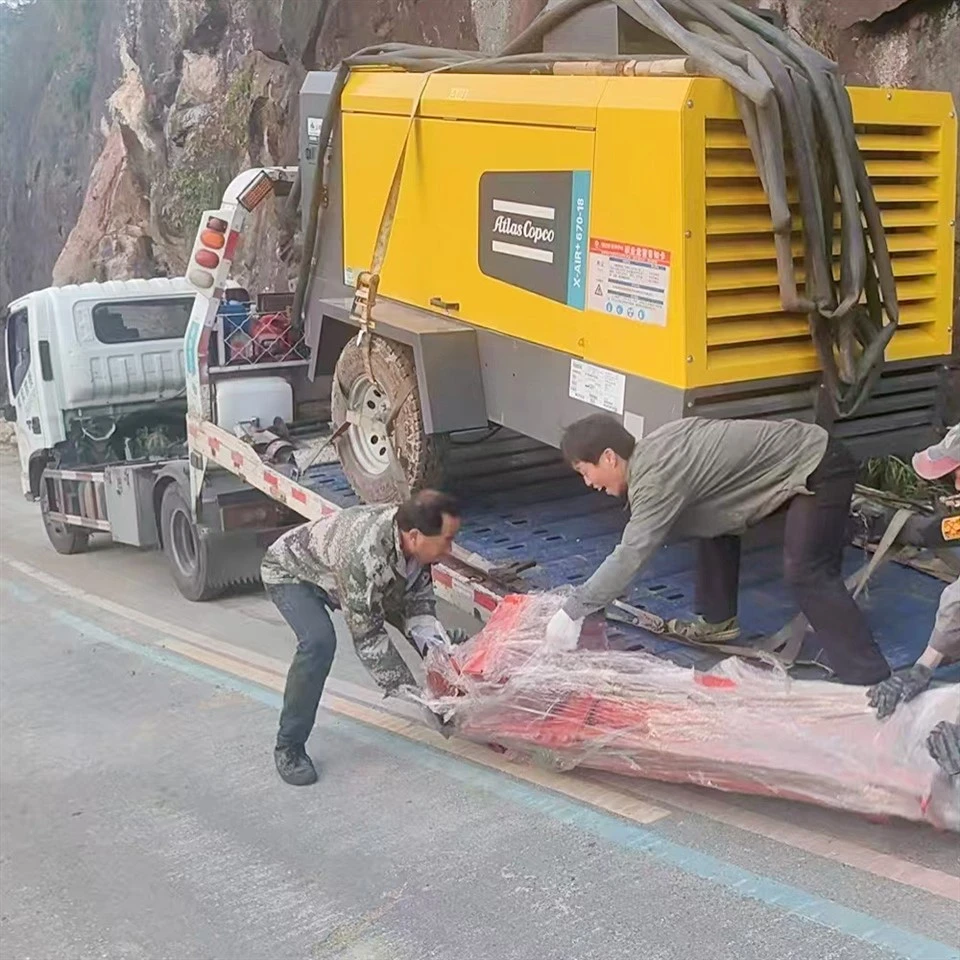
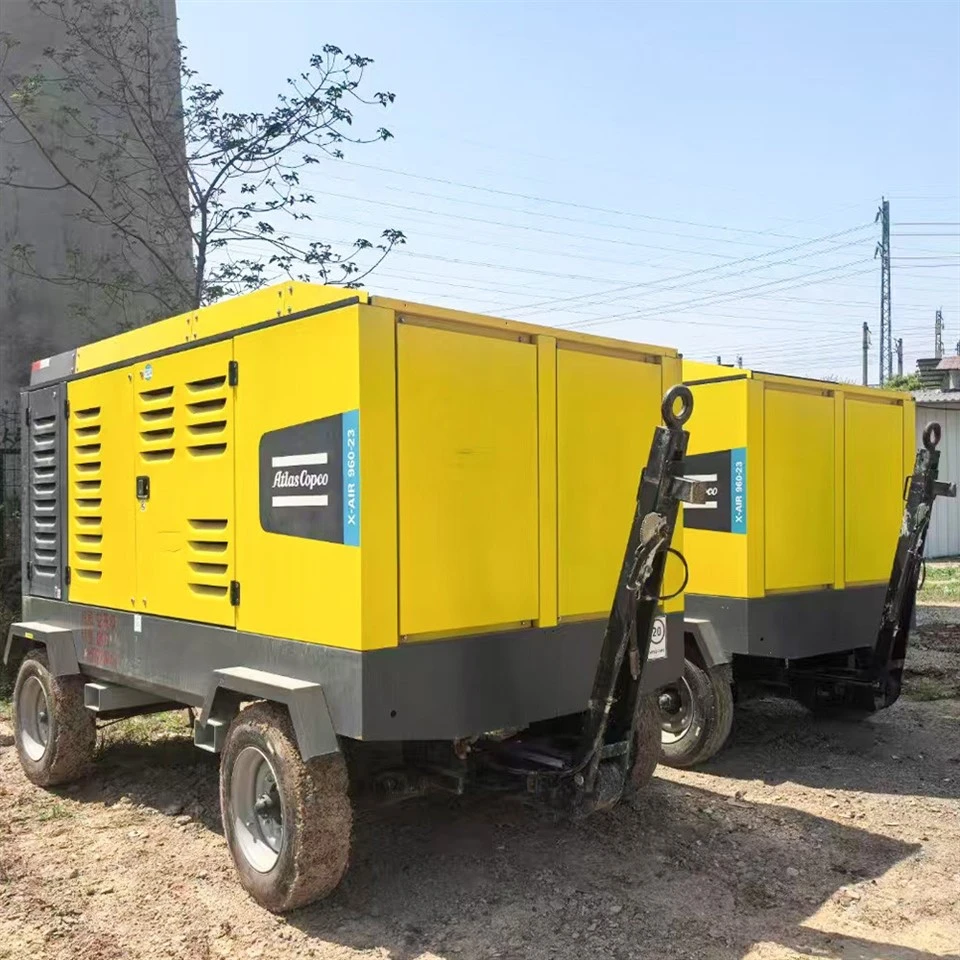
An air compressor is often used in drilling rigs, especially in those used for Down The Hole (DTH) drilling. The air compressor provides compressed air that is used to power the DTH hammer, which is a type of drill bit that uses compressed air to break up the rock.
Our Atlas Copco Air Compressor 5–25 Bar is a great option for your drilling rig. It's reliable, efficient, and can provide the right amount of compressed air for your DTH drilling needs.
The Control System
The control system is what allows the operator to manage all the other components of the drilling rig. It includes a set of gauges, switches, and sensors that provide information about the rig's performance. The operator can use these controls to adjust the speed of the hoisting system, the rotation of the drill bit, and the flow of the drilling fluid.
A modern control system is often computer - based, which allows for more precise control and monitoring of the drilling process. This can help to improve efficiency and reduce the risk of accidents.
The Drilling Tools
Of course, no drilling rig is complete without the right drilling tools. This includes the drill bit, drill pipes, and other accessories. The drill bit is the part that actually cuts through the rock or soil. There are different types of drill bits, such as roller - cone bits, diamond bits, and DTH bits.
Roller - cone bits are good for drilling in soft to medium - hard rock. Diamond bits are more expensive but are very effective in hard rock. DTH bits are used in Down The Hole drilling and are powered by compressed air.
If you're interested in a Down The Hole Drilling Rig, we've got a great selection of DTH drilling tools to go with it.
The Mast
The mast is the tall, vertical structure that supports the hoisting and rotating systems. It needs to be strong and stable to withstand the forces generated during drilling. The mast is usually made of steel and is designed to be easily assembled and disassembled for transportation.
The Hydraulic System
Many modern drilling rigs use a hydraulic system to power various components. The hydraulic system uses pressurized fluid to transfer power. It's used to operate the hoisting system, the rotating system, and other functions.
Hydraulic systems are preferred because they're more efficient and provide better control compared to mechanical systems. They can also handle high loads and are less prone to wear and tear.
The Mud Tanks
As mentioned earlier, the mud tanks are part of the circulation system. They are used to store the drilling fluid and separate the cuttings from the fluid. The size of the mud tanks depends on the size of the drilling rig and the type of drilling operation.
A larger rig may require bigger mud tanks to ensure a continuous supply of drilling fluid. The mud tanks are usually made of steel and are designed to be durable and easy to clean.
Why Choose Our Drilling Rigs?
We're a leading supplier of drilling rigs, and we offer a wide range of rigs to meet different needs. Our rigs are built with high - quality components and are designed to be reliable, efficient, and easy to operate.
Whether you're a small - scale contractor or a large mining company, we've got a rig for you. Our team of experts can help you choose the right rig based on your specific requirements.
If you're interested in learning more about our drilling rigs or have any questions, don't hesitate to get in touch. We're here to help you make the best decision for your drilling operations. Contact us today to start a discussion about your procurement needs.
References
- Drilling Engineering Handbook, various authors
- Oil and Gas Drilling Technology, industry publication