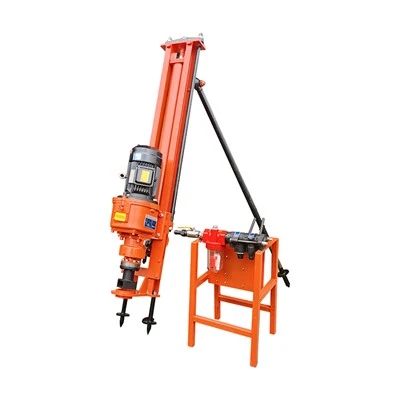
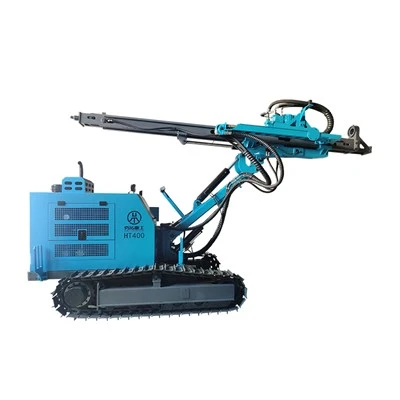
Hey there! As a supplier of drilling rigs, I often get asked about the cooling systems of these powerful machines. Drilling rigs are like the workhorses of the construction, mining, and water well drilling industries. They operate under some seriously tough conditions, and keeping them cool is super important to make sure they work efficiently and last a long time. So, let's dive into the different cooling systems used in drilling rigs.
Air Cooling Systems
First up, we've got air cooling systems. These are pretty straightforward. They use air to dissipate heat from the engine and other components of the drilling rig. Think of it like when you blow on a hot cup of coffee to cool it down. In an air cooling system, there are usually fins on the engine block and other parts that need cooling. These fins increase the surface area, allowing more heat to be transferred to the air.
There are also fans in the system. These fans pull in fresh air and blow it over the fins, carrying the heat away. Air cooling systems are relatively simple and lightweight. They don't require a lot of extra parts like radiators and coolant hoses. That means they're easier to maintain and less likely to have leaks.
However, air cooling systems do have some drawbacks. They're not as efficient as liquid cooling systems, especially in hot climates or when the drilling rig is working hard for a long time. The air can only absorb so much heat, and if the rig is generating a lot of heat, the air might not be able to cool it down enough. Also, in dusty or dirty environments, the fins can get clogged with dirt and debris, which reduces their cooling efficiency.
Liquid Cooling Systems
Most modern drilling rigs use liquid cooling systems. These systems are more complex but also more efficient than air cooling systems. In a liquid cooling system, a coolant (usually a mixture of water and antifreeze) is circulated through the engine and other components that generate heat. The coolant absorbs the heat and then flows to a radiator.
The radiator is like a big heat exchanger. It has a lot of small tubes and fins that increase the surface area for heat transfer. As the hot coolant flows through the tubes, air is blown over the radiator by a fan. This cools the coolant down, and then it's pumped back to the engine to absorb more heat.
One of the big advantages of liquid cooling systems is that they can handle a lot more heat. The coolant can absorb a large amount of heat energy, and the radiator can dissipate that heat quickly. This makes them ideal for drilling rigs that operate in hot climates or under heavy loads.
Another advantage is that liquid cooling systems can be more precise in controlling the temperature. There are thermostats in the system that regulate the flow of coolant, making sure the engine stays at the right temperature. This helps to improve the performance and longevity of the engine.
However, liquid cooling systems also have some challenges. They're more complex and require more maintenance. The coolant needs to be changed regularly to prevent corrosion and ensure its effectiveness. The radiator and hoses can also develop leaks, which can lead to overheating if not fixed quickly.
Cooling Systems for Specific Components
In addition to cooling the engine, drilling rigs also need to cool other components. For example, the hydraulic system in a drilling rig generates a lot of heat. Hydraulic fluid is used to power the various hydraulic cylinders and motors in the rig. As the fluid flows through the system, it experiences friction, which generates heat.
To cool the hydraulic system, there are usually hydraulic oil coolers. These coolers work in a similar way to radiators. The hot hydraulic fluid flows through the cooler, and air or a separate coolant is used to transfer the heat away. This helps to keep the hydraulic fluid at the right temperature, which is important for the proper operation of the hydraulic system.
The drilling mud pumps on a rig also generate heat. Drilling mud is used to lubricate the drill bit, carry the cuttings to the surface, and maintain pressure in the wellbore. The pumps that circulate the drilling mud can get very hot during operation. Some rigs use water jackets around the pump housing to cool it down. The water absorbs the heat from the pump and then is either cooled in a radiator or discharged.
Cooling System Maintenance
Proper maintenance of the cooling system is crucial for the performance and reliability of a drilling rig. For air cooling systems, it's important to keep the fins clean and free of debris. Regularly inspect the fans to make sure they're working properly.
For liquid cooling systems, check the coolant level regularly. If the coolant is low, it could indicate a leak. Also, make sure to change the coolant according to the manufacturer's recommendations. Inspect the radiator and hoses for any signs of damage or leaks.
For hydraulic oil coolers, clean them regularly to prevent clogging. Check the hydraulic fluid level and its condition. If the fluid is dirty or has a strange smell, it might need to be changed.
Conclusion
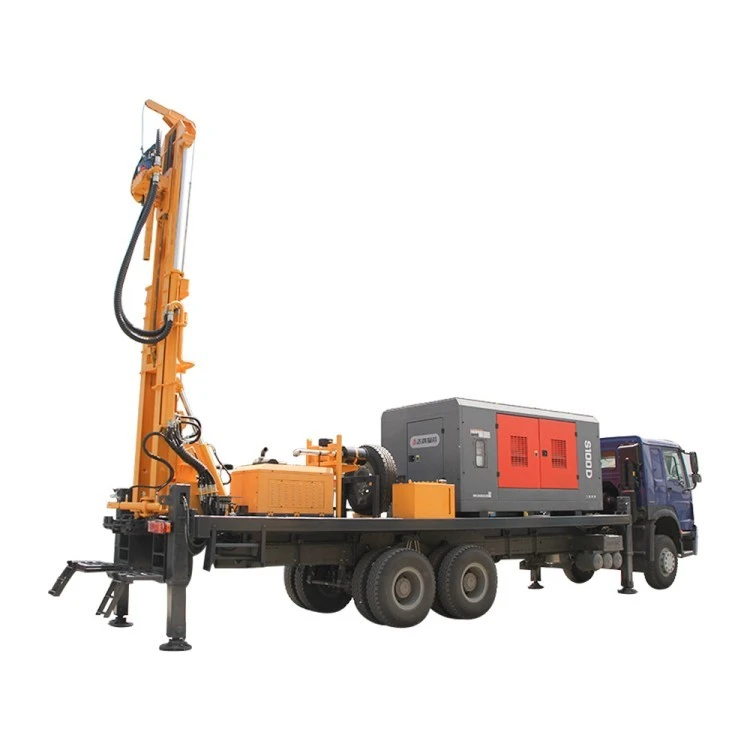
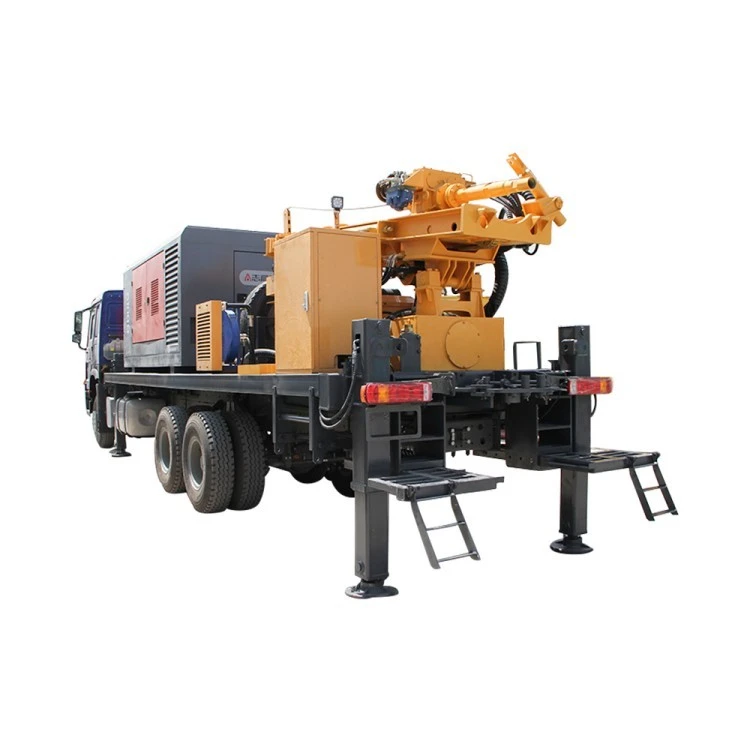
So, there you have it! The cooling systems of a drilling rig are essential for its proper operation. Whether it's an air cooling system, a liquid cooling system, or a combination of both, each type has its own advantages and disadvantages. As a drilling rig supplier, we make sure that our large water well drilling rig, Split Down-the-hole Drilling Rig, and Down The Hole Drilling Rig are equipped with the best cooling systems to meet the needs of our customers.
If you're in the market for a drilling rig or have any questions about cooling systems or our products, don't hesitate to reach out. We're here to help you find the right drilling rig for your project and make sure it operates at its best.
References
- Drilling Rig Handbook, various industry experts
- Manufacturer's manuals for drilling rig components
- Technical papers on drilling rig cooling systems from industry conferences