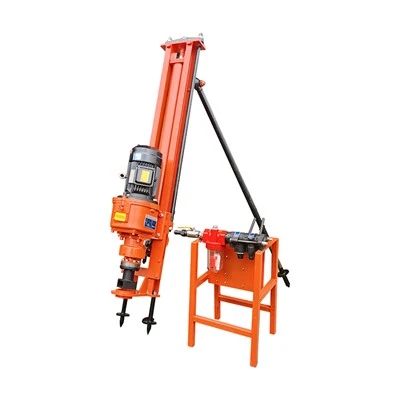
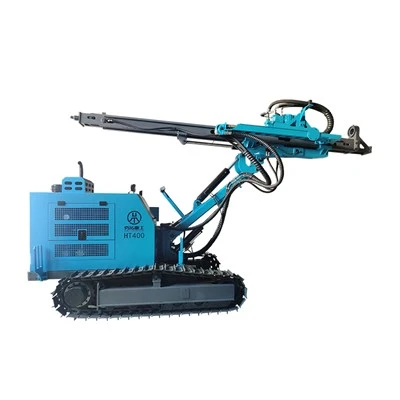
Hey there! As a supplier of drilling rigs, I've been in the thick of the industry for quite some time. Today, I'm gonna dive into one of the key aspects of a drilling rig: the casing running systems.
First off, let's understand what casing running is all about. When you're drilling a well, you need to protect the wellbore from caving in, prevent fluid migration between different geological formations, and provide a stable structure for the well. That's where casing comes in. Casing is essentially a large-diameter pipe that's inserted into the wellbore as the drilling progresses. And the casing running system is the equipment and techniques used to get that casing down into the well safely and efficiently.
There are a few different types of casing running systems, each with its own pros and cons. Let's take a look at some of the most common ones.
Conventional Casing Running System
The conventional casing running system is the most basic and widely used method. It involves using a casing elevator to grip the top of the casing string and lower it into the wellbore. The elevator is attached to the drill rig's hoisting system, which provides the lifting force. As the casing is lowered, additional joints of casing are added to the string using a casing tong to make up the connections.
One of the advantages of the conventional system is its simplicity. It's relatively easy to operate and doesn't require a lot of specialized equipment. However, it also has some limitations. For example, it can be time-consuming, especially when running long casing strings. And because the casing is being lowered manually, there's a risk of human error, which can lead to misalignment or damage to the casing connections.
Power Casing Running System
The power casing running system is a more advanced alternative to the conventional system. It uses a power tong to make up and break out the casing connections, which is much faster and more accurate than using a manual casing tong. The power tong is typically powered by hydraulic or electric motors and can be controlled remotely from the drill rig's control panel.
In addition to the power tong, the power casing running system also includes a casing running tool, which is used to guide the casing into the wellbore and ensure proper alignment. The running tool is attached to the top of the casing string and is designed to fit snugly inside the wellbore.
One of the main advantages of the power casing running system is its speed and efficiency. It can significantly reduce the time it takes to run a casing string, which can save a lot of money in terms of rig time. It also reduces the risk of human error, which can improve the quality of the casing connections and reduce the likelihood of casing failures.
Automatic Casing Running System
The automatic casing running system is the most advanced type of casing running system. It uses a combination of robotics, sensors, and control systems to automate the entire casing running process. The system can handle casing strings of various sizes and weights and can run them at high speeds with a high degree of accuracy.
The automatic casing running system typically includes a casing handling system, which is used to transport the casing joints from the storage area to the drill rig's derrick. The handling system can be either manual or automated, depending on the specific requirements of the operation.
Once the casing joints are in the derrick, the automatic casing running system takes over. It uses a robotic arm to pick up the casing joints and position them over the wellbore. The robotic arm is equipped with sensors that can detect the position and orientation of the casing joints and adjust the position of the arm accordingly.
After the casing joints are in position, the automatic casing running system uses a power tong to make up the connections. The power tong is controlled by a computerized system that can monitor the torque and rotation of the casing joints and ensure that the connections are made up to the correct specifications.
One of the main advantages of the automatic casing running system is its high level of automation. It can significantly reduce the need for human intervention, which can improve safety and reduce the risk of human error. It also offers a high degree of accuracy and repeatability, which can improve the quality of the casing connections and reduce the likelihood of casing failures.
Choosing the Right Casing Running System
When choosing a casing running system for your drilling operation, there are several factors to consider. These include the size and weight of the casing string, the depth of the well, the type of drilling rig, and the specific requirements of the operation.
For example, if you're running a relatively short casing string in a shallow well, a conventional casing running system may be sufficient. However, if you're running a long casing string in a deep well, a power or automatic casing running system may be more appropriate.
It's also important to consider the cost of the casing running system. While the more advanced systems may offer higher levels of efficiency and accuracy, they also tend to be more expensive. You'll need to weigh the benefits of the system against the cost to determine which one is the best fit for your operation.
Our Drilling Rig Products
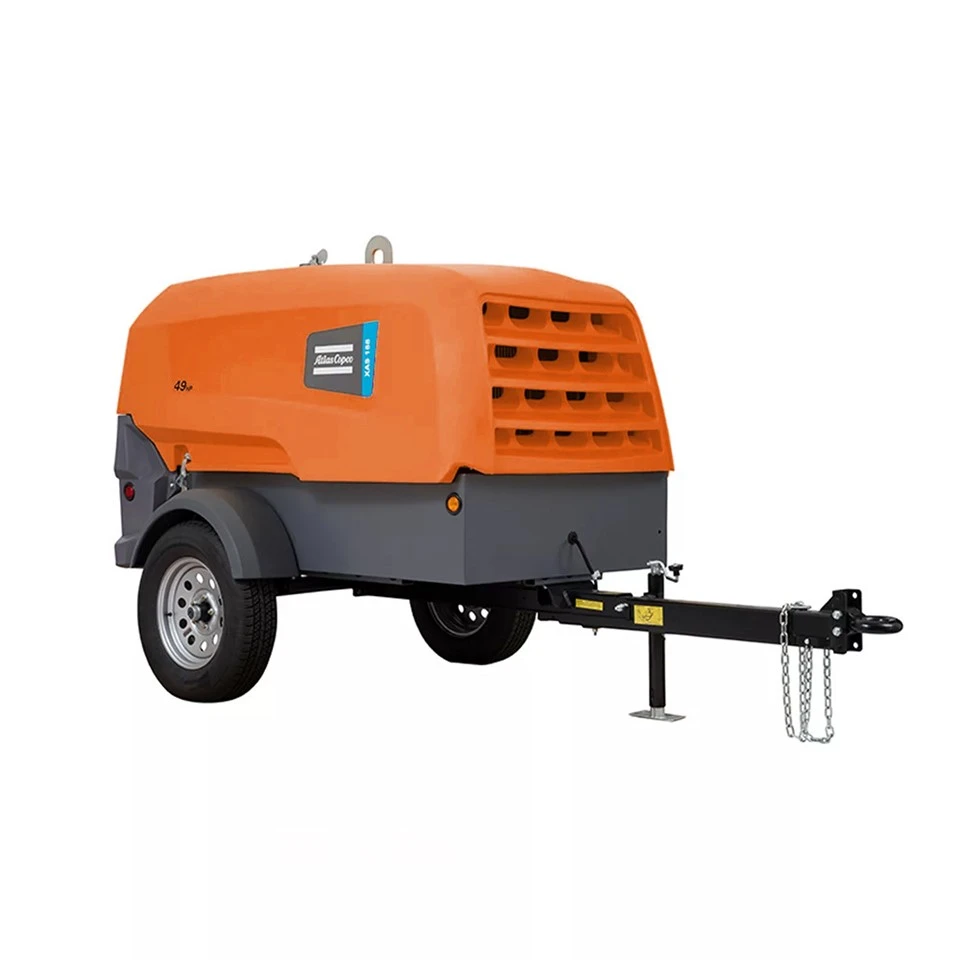
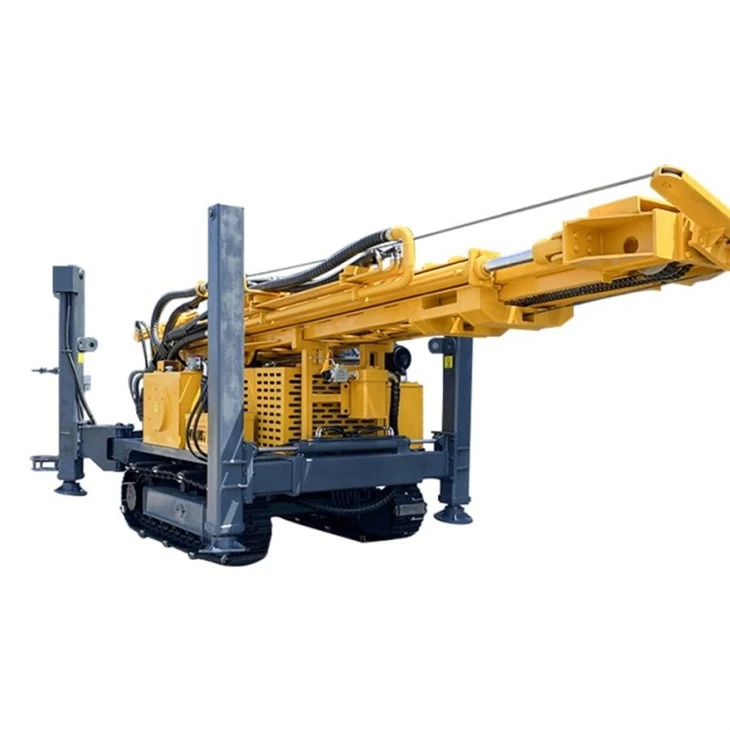
As a drilling rig supplier, we offer a wide range of drilling rigs and related equipment, including deep well drilling rig, Split Down-the-hole Drilling Rig, and towable air compressor. Our drilling rigs are designed to be reliable, efficient, and easy to operate, and they come with a variety of features and options to meet the specific needs of our customers.
If you're in the market for a drilling rig or related equipment, we'd love to hear from you. Whether you're a small independent operator or a large multinational company, we can provide you with the products and services you need to succeed in the drilling industry.
So, if you have any questions or would like to learn more about our products and services, please don't hesitate to contact us. We're here to help you find the right solution for your drilling needs.
References
- API RP 65, Recommended Practice for Casing Running Tools
- SPE Drilling Engineering Journal, various articles on casing running systems
- Halliburton Casing Running Handbook