Hey there! As a core drilling rig supplier, I've been through the ins and outs of getting these powerful machines to work sites. It's not always a walk in the park, but with the right know - how, it can be a smooth process. In this blog, I'll share some tips on how to transport a core drilling rig to the work site.
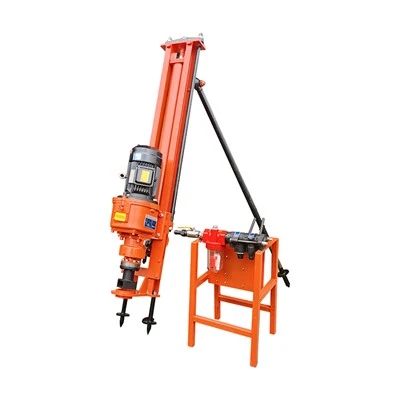
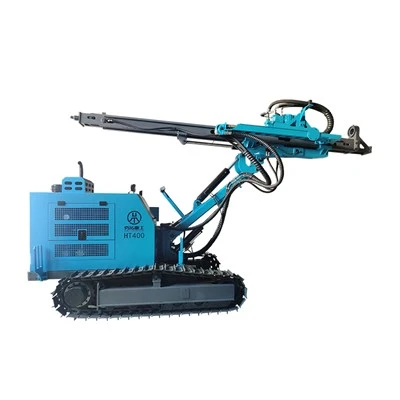
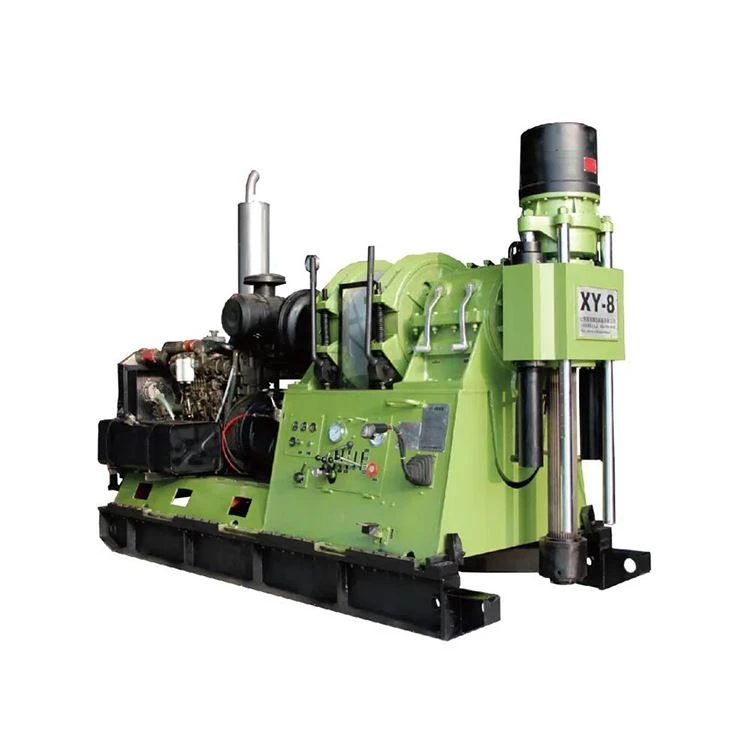
First things first, you need to assess the rig itself. Core drilling rigs come in different shapes and sizes. We've got the Rock Core Drill, which is known for its precision and efficiency in extracting rock cores. Then there's the Core Drilling Rig, often equipped with crawlers for better mobility on rough terrains. And let's not forget the Full Hydraulic Core Exploration Drilling Rig, which offers advanced hydraulic features for optimal performance.
The size and weight of the rig are crucial factors. Larger rigs usually need more specialized transportation. You can't just load a big rig onto any old truck. You'll need to find a carrier that has the capacity to handle the weight and dimensions. Some rigs might be so large that they need to be disassembled into smaller parts for transport. This is a bit of a hassle, but it's often the only way to get them to the site safely.
Before you start the transportation process, make sure to do a thorough inspection of the rig. Check for any loose parts, leaks, or damage. You don't want something to come loose during transit and cause an accident or damage to the rig. It's also a good idea to clean the rig as much as possible. A clean rig is easier to handle and inspect, and it gives a better impression when it arrives at the work site.
Once you've inspected the rig, you need to secure it properly for transport. Use high - quality straps, chains, and braces to keep the rig in place. Make sure that all the moving parts are locked or immobilized. For example, if the rig has a drill mast, it should be locked in a safe position so that it doesn't swing around during the journey.
Now, let's talk about choosing the right transportation method. There are a few options available, and the choice depends on several factors such as the distance to the work site, the terrain, and the size of the rig.
If the work site is relatively close and the roads are in good condition, a flatbed truck might be a good choice. Flatbed trucks are versatile and can carry a wide range of loads. They allow for easy loading and unloading of the rig. However, you need to make sure that the truck is properly maintained and has the right safety features.
For longer distances or if the work site is in a remote area, you might consider using a combination of transportation methods. For example, you could transport the rig by truck to a railway station and then use a train to cover the long - distance part of the journey. Trains are more fuel - efficient and can handle large and heavy loads. After reaching the nearest railway station to the work site, you can then use a truck again to transport the rig the rest of the way.
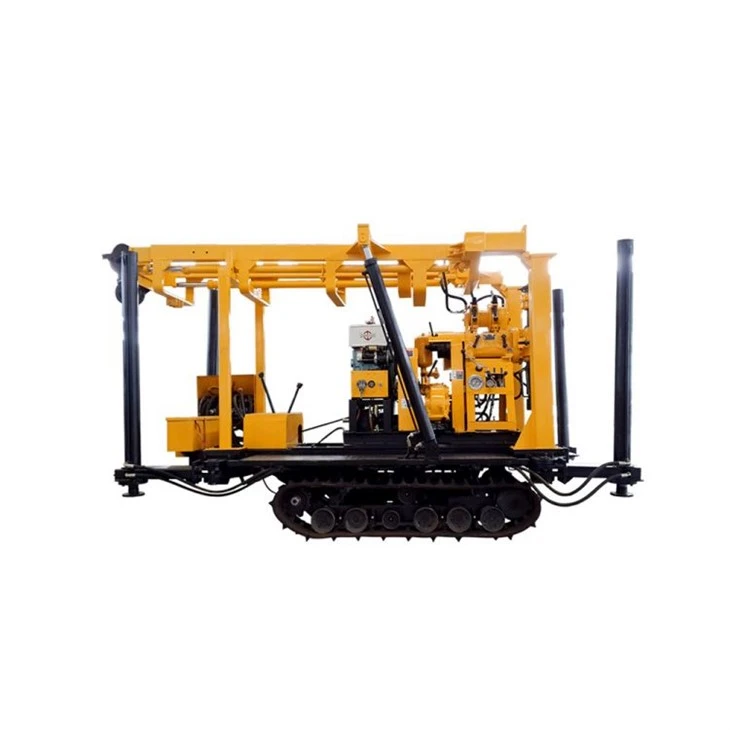
If the work site is located in a very difficult - to - reach area, like a mountainous region or a swamp, you might need to use a helicopter or a specialized off - road vehicle. Helicopters can lift the rig and drop it directly at the work site, but this is an expensive option. Specialized off - road vehicles, on the other hand, are designed to navigate through rough terrains but might have limitations in terms of the size and weight of the load they can carry.
Another important aspect is getting the necessary permits. Different regions have different regulations regarding the transportation of heavy equipment like core drilling rigs. You need to obtain the right permits from the local authorities before you start the journey. This includes over - size and over - weight permits if your rig exceeds the standard limits. Failure to get the proper permits can result in fines and delays.
When it comes to loading and unloading the rig, safety should be your top priority. Use trained and experienced personnel for these tasks. They should know how to operate the lifting equipment, such as cranes or forklifts, safely. Make sure that the loading and unloading area is clear of any obstacles and that the ground is stable.
During the transportation, it's a good idea to have someone accompany the rig. This person can monitor the condition of the rig and the vehicle. They can also deal with any unexpected situations that might arise, such as a breakdown or an accident.
Once the rig arrives at the work site, the unloading process should be carried out carefully. Reverse the steps of the loading process, making sure that the rig is placed in a stable and level position. If the rig was disassembled for transport, it needs to be reassembled correctly. This requires following the manufacturer's instructions and using the right tools.
After the rig is set up at the work site, do another inspection. Check all the connections, fluids, and controls to make sure that everything is working properly. It's better to catch any issues early on rather than having problems during the actual drilling operations.
If you're in the market for a core drilling rig or need more advice on transporting one, don't hesitate to reach out. We're here to help you make the right choices and ensure that your drilling operations run smoothly. Whether you're a small - scale contractor or a large - scale mining company, we've got the rigs and the expertise to meet your needs.
In conclusion, transporting a core drilling rig to the work site involves careful planning, proper assessment, and strict adherence to safety procedures. By following these tips, you can minimize the risks and ensure that your rig arrives at the work site in good condition. So, if you're looking to get a core drilling rig for your next project, give us a call and let's start the conversation.
References
- Industry standards and guidelines for transporting heavy equipment
- Manufacturer's manuals for core drilling rigs