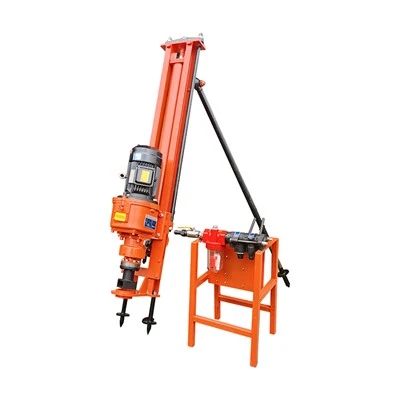
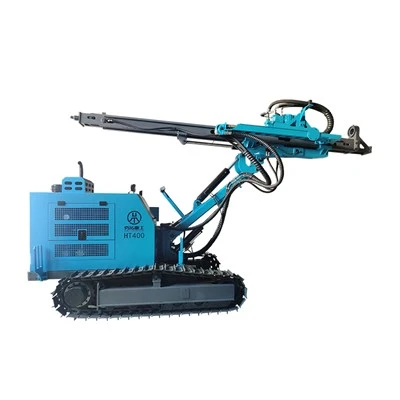
When you've just purchased a water well drill rig truck, testing its performance is crucial to ensure that it meets your expectations and can handle the tasks you have in mind. As a water well drill rig truck supplier, I understand the importance of a comprehensive performance test. Here's a detailed guide on how to test the performance of a newly purchased water well drill rig truck.
Pre - test Preparation
Before starting the actual testing, it's essential to conduct a thorough inspection of the drill rig truck. Check the physical condition of the truck, including the chassis, body, and any visible components. Look for signs of damage during transportation, such as dents, scratches, or loose parts.
Inspect the drilling equipment on the truck. This includes the drill bit, drill pipe, and hydraulic systems. Ensure that all the components are properly installed and tightened. Check the hydraulic hoses for any signs of leakage. Also, review the user manual provided with the rig to understand the technical specifications and recommended operating procedures.
Engine and Chassis Testing
The engine is the heart of the water well drill rig truck, so it's vital to test its performance. Start the engine and let it idle for a few minutes to warm up. Listen for any unusual noises, such as knocking, rattling, or hissing. These could indicate problems with the engine's internal components or the exhaust system.
Check the engine's temperature gauge. It should remain within the normal operating range. If the temperature rises too quickly or exceeds the recommended level, there could be issues with the cooling system, such as a malfunctioning radiator or water pump.
Test the truck's acceleration and deceleration. Drive the truck on a flat and straight road at different speeds. The acceleration should be smooth, and the truck should respond promptly to the throttle input. When braking, the truck should stop smoothly without any pulling to one side, which could indicate problems with the brake system.
Drilling Equipment Performance
Drill Bit and Drill Pipe
Install the drill bit on the drill pipe and ensure a proper connection. Check the alignment of the drill bit to make sure it is straight. A misaligned drill bit can cause uneven drilling and damage to the drill pipe.
Test the rotation of the drill bit. Use the control panel on the truck to start the rotation. The drill bit should rotate smoothly at the specified speed. You can refer to the technical specifications of the 200m Water Well Drilling Rig to determine the appropriate rotation speed.
Hydraulic System
The hydraulic system is responsible for powering many of the functions of the drill rig, such as the lifting and lowering of the drill pipe, the rotation of the drill bit, and the movement of the rig's boom. Check the hydraulic fluid level in the reservoir. It should be within the recommended range.
Operate the hydraulic controls to test the movement of the drilling equipment. Raise and lower the drill pipe several times. The movement should be smooth and without any jerks. If there are any jerks or the movement is slow, it could indicate air in the hydraulic system or a problem with the hydraulic pump.
Test the pressure of the hydraulic system using a pressure gauge. Compare the measured pressure with the recommended values in the user manual. If the pressure is too high or too low, it could affect the performance of the drilling equipment and may cause damage over time.
Drilling Performance Testing
Penetration Rate
Select a suitable test site for drilling. The site should have a consistent soil or rock formation to accurately measure the penetration rate. Start the drilling process and record the time it takes for the drill bit to penetrate a certain depth. Calculate the penetration rate by dividing the depth by the time.
Compare the measured penetration rate with the manufacturer's specifications. A lower penetration rate could indicate problems with the drill bit, the drilling parameters (such as rotation speed and feed pressure), or the soil or rock conditions at the test site.
Drilling Depth and Accuracy
Continue drilling to the maximum depth that the rig is designed for. Monitor the depth using the depth indicator on the control panel. The measured depth should be consistent with the actual depth of the borehole.

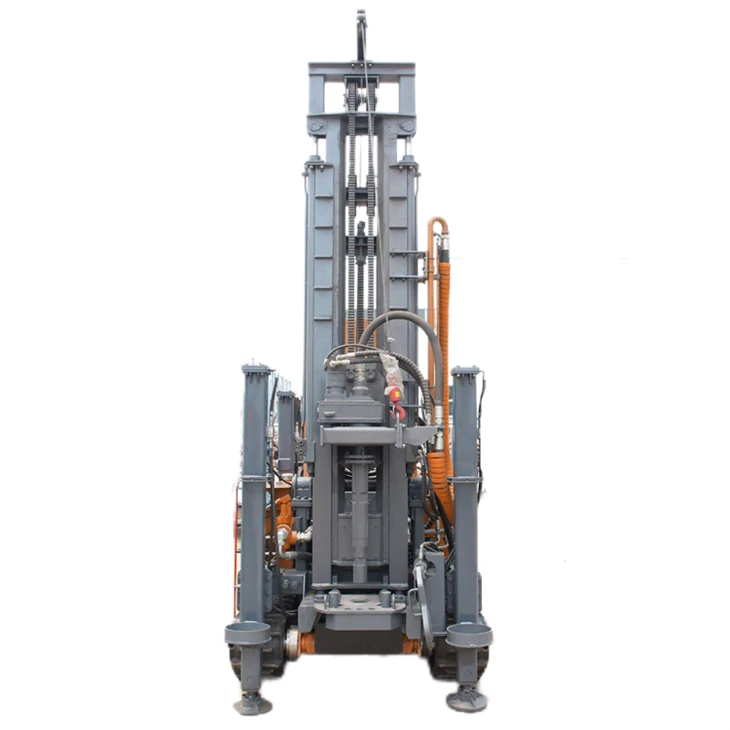
Check the accuracy of the borehole. Use a plumb line or a borehole deviation measuring device to ensure that the borehole is straight and vertical. A significant deviation from the vertical could affect the quality of the well and may require additional corrective measures.
Completeness of Auxiliary Systems
Mud Pump System
The mud pump is used to circulate drilling mud during the drilling process. Start the mud pump and check its flow rate. The flow rate should be sufficient to carry the cuttings out of the borehole and maintain the stability of the wellbore.
Inspect the mud circulation system for any leaks. Check the hoses, valves, and connections to ensure that they are tight and in good condition. A leak in the mud circulation system can lead to a loss of drilling mud and affect the drilling performance.
Winch System
The winch is used to lift and lower heavy equipment, such as the drill pipe and the casing. Test the winch's lifting capacity by attaching a known weight to the winch cable and slowly lifting it. The winch should be able to lift the weight smoothly without any signs of overloading or mechanical failure.
Check the winch's braking system. When the winch is holding a load, the brake should be able to hold the load securely without any slipping.
Post - test Evaluation
After completing all the performance tests, it's important to evaluate the results. Compare the test results with the manufacturer's specifications and your own requirements. If there are any discrepancies or problems, document them in detail.
Contact the supplier or the manufacturer's technical support team if you encounter any issues during the testing. They can provide guidance on how to troubleshoot and resolve the problems.
Conclusion
Testing the performance of a newly purchased water well drill rig truck is a comprehensive process that involves testing the engine, chassis, drilling equipment, and auxiliary systems. By following the steps outlined in this guide, you can ensure that your drill rig truck is in good working condition and ready to tackle your water well drilling projects.
If you are interested in purchasing high - quality water well drilling rigs or our Hydraulic Crawler water well drilling rig, please feel free to contact us for further information and to start a procurement negotiation. We are committed to providing you with the best products and services to meet your needs.
References
- Manufacturer's user manuals for water well drill rig trucks
- Industry standards for water well drilling equipment testing