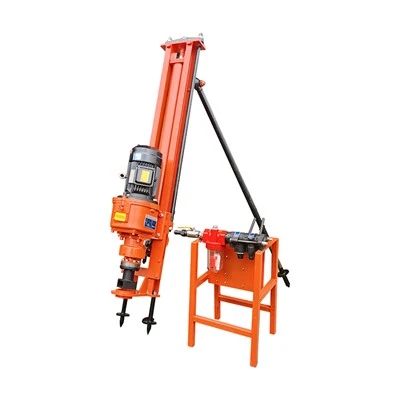
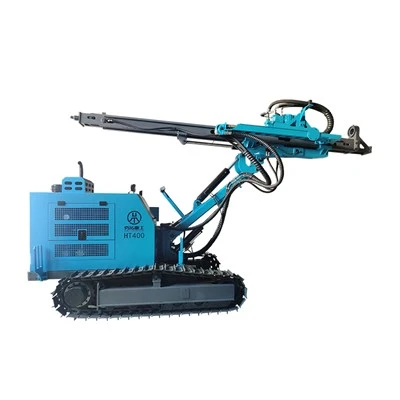
As a supplier of mini rock drilling machines, I understand the critical importance of ensuring the performance of these powerful tools. Whether you're in the mining industry, construction, or any field that requires precise and efficient rock drilling, a high - performing mini rock drilling machine can make all the difference. In this blog, I'll share some comprehensive methods on how to test the performance of a mini rock drilling machine.
1. Pre - test Preparations
Before diving into the actual performance tests, it's essential to conduct a series of pre - test preparations. First, visually inspect the machine for any signs of damage, such as cracks in the body, loose parts, or worn - out components. Check the drill bit for sharpness and integrity; a dull or damaged drill bit can significantly affect drilling performance.
Next, ensure that all the necessary connections are secure. For pneumatic mini rock drilling machines, check the air hoses for leaks and proper connections. A leaky air hose can lead to a drop in air pressure, which in turn reduces the drilling power. For electric mini rock drilling machines, inspect the power cords for any fraying or damage, and make sure the power supply meets the machine's requirements.
2. Drilling Speed Test
One of the most important performance indicators of a mini rock drilling machine is its drilling speed. To test the drilling speed, select a standardized rock sample with known hardness. You can use a rock block of a specific type, such as granite or limestone, which are commonly encountered in various drilling applications.
Mark a starting point on the rock surface and start the drilling machine. Use a stopwatch to record the time it takes for the drill bit to reach a pre - determined depth, say 100 millimeters. Repeat this test several times to get an average drilling speed. Compare the results with the manufacturer's specifications. If the actual drilling speed is significantly lower than the specified speed, there may be an issue with the machine, such as a lack of power or a problem with the drill bit.
3. Penetration Force Test
The penetration force of a mini rock drilling machine determines its ability to break through hard rocks. To test the penetration force, you can use a force - measuring device. Attach the device to the drill bit or the drilling machine in a way that it can accurately measure the force exerted during drilling.
During the test, start the drilling process on a rock sample. The force - measuring device will record the maximum penetration force applied by the machine. A higher penetration force generally indicates better performance, especially when dealing with hard rocks. However, it's important to note that excessive penetration force can also cause premature wear of the drill bit and other components.
4. Vibration Test
Excessive vibration can not only affect the operator's comfort but also reduce the drilling accuracy and the lifespan of the machine. To test the vibration level of a mini rock drilling machine, use a vibration - measuring instrument.
Place the instrument on the body of the drilling machine at a specific position, usually near the handle or the drill bit. Start the machine and let it run for a few minutes. The vibration - measuring instrument will record the vibration amplitude and frequency. Compare the results with the industry standards. High - frequency or large - amplitude vibrations may indicate an imbalance in the machine, a worn - out bearing, or a problem with the drill bit installation.
5. Air Consumption Test (for Pneumatic Machines)
If you're dealing with a pneumatic mini rock drilling machine, such as the mini pneumatic drill, air consumption is a crucial performance factor. High air consumption can lead to increased operating costs.
To test the air consumption, connect an air flow meter to the air supply line of the drilling machine. Start the machine and let it run at a normal drilling operation. The air flow meter will measure the volume of air consumed per unit of time. Compare the measured air consumption with the manufacturer's specifications. If the actual air consumption is much higher than the specified value, there may be a leak in the air system or an inefficiency in the pneumatic components.
6. Noise Level Test
The noise level of a mini rock drilling machine is an important consideration, especially in work environments where noise pollution is a concern. Use a sound - level meter to measure the noise level during the drilling operation.
Place the sound - level meter at a specific distance from the drilling machine, usually 1 meter away from the operator's position. Start the machine and record the maximum noise level. Compare the results with the local noise regulations. High noise levels may require additional noise - reduction measures, such as using ear protection for the operator or installing noise - dampening devices on the machine.
7. Drill Bit Wear Test
The wear of the drill bit directly affects the drilling performance. To test the drill bit wear, use a microscope or a caliper to measure the dimensions of the drill bit before and after a certain amount of drilling.
Measure the diameter of the drill bit, the length of the cutting edge, and the angle of the drill tip. A significant reduction in the diameter or the cutting edge length indicates wear. You can also visually inspect the drill bit for signs of chipping, blunting, or other damage. Regularly monitoring the drill bit wear can help you determine when it's time to replace the drill bit to maintain optimal drilling performance.
8. Durability Test
A durable mini rock drilling machine is essential for long - term use. To test the durability, subject the machine to continuous drilling for an extended period. You can set up an automated drilling process on a series of rock samples.
Monitor the machine during the test for any signs of overheating, component failure, or a decrease in performance. After the test, disassemble the machine and inspect the internal components for wear and damage. A well - designed and durable mini rock drilling machine should be able to withstand continuous operation without significant issues.
9. Comparison with Similar Products
To get a better understanding of the performance of your mini rock drilling machine, compare it with similar products on the market. You can collect data on the drilling speed, penetration force, vibration level, and other performance indicators of competing products.
This comparison can help you identify the strengths and weaknesses of your machine. If your machine performs better in certain aspects, you can highlight these features in your marketing efforts. If there are areas where your machine lags behind, you can work on improving those aspects to enhance its competitiveness.
10. Operator Feedback
Finally, don't overlook the importance of operator feedback. The people who actually use the mini rock drilling machine on a daily basis can provide valuable insights into its performance.
Ask the operators about their experience with the machine, such as its ease of use, comfort, and any problems they've encountered. Their feedback can help you identify potential issues that may not be apparent during the technical tests, such as the ergonomics of the machine or the clarity of the control panel.


In conclusion, testing the performance of a mini rock drilling machine involves a comprehensive evaluation of various factors, including drilling speed, penetration force, vibration, air consumption, and durability. By conducting these tests regularly, you can ensure that your machines meet the highest standards of performance and reliability.
If you're in the market for high - quality hand held rock drilling equipment or pneumatic air leg rock drill, we're here to provide you with the best solutions. Our mini rock drilling machines are designed and tested to deliver outstanding performance in various applications. Contact us for more information and to discuss your specific requirements. We look forward to working with you to meet your drilling needs.
References
- Engineering Handbook of Rock Drilling, 3rd Edition
- Standards for Drilling Machine Performance Testing, International Drilling Association