What is the rotation speed of the drill bit in a pneumatic rock drilling rig?
As a trusted pneumatic rock drilling rig supplier, I often encounter inquiries from customers regarding the technical specifications of our equipment, and one of the most frequently asked questions is about the rotation speed of the drill bit in a pneumatic rock drilling rig. In this blog post, I will delve into the factors influencing the rotation speed, the typical range of rotation speeds, and how it impacts the overall performance of the drilling operation.
Factors Influencing the Rotation Speed
The rotation speed of the drill bit in a pneumatic rock drilling rig is not a fixed value but is influenced by several key factors. Understanding these factors is crucial for optimizing the drilling process and achieving the best results.

- Rock Type and Hardness: Different types of rocks have varying degrees of hardness and abrasiveness. Softer rocks, such as limestone or sandstone, require a different rotation speed compared to harder rocks like granite or basalt. In general, harder rocks demand a slower rotation speed to prevent excessive wear on the drill bit and to ensure effective penetration. The high resistance of hard rocks means that a slower, more controlled rotation allows the drill bit to break through the rock gradually without overheating or becoming damaged.
- Drill Bit Design: The design of the drill bit plays a significant role in determining the optimal rotation speed. Bits with different shapes, sizes, and cutting structures are designed to perform best at specific rotation speeds. For example, a bit with a large diameter may require a slower rotation speed to maintain stability and prevent wobbling, while a smaller diameter bit can often rotate at a higher speed. Additionally, the type of cutting teeth or inserts on the drill bit also affects the rotation speed. Carbide-tipped bits, for instance, can withstand higher rotation speeds and are more suitable for drilling through tough rocks.
- Air Pressure and Flow Rate: Pneumatic rock drilling rigs rely on compressed air to power the rotation of the drill bit and to remove the cuttings from the borehole. The air pressure and flow rate provided by the compressor directly impact the rotation speed. Higher air pressure generally results in a faster rotation speed, as it provides more power to drive the motor or mechanism that rotates the bit. However, it is important to maintain a balance between air pressure and flow rate to ensure efficient drilling. If the air flow rate is too low, the cuttings may not be effectively removed from the borehole, leading to clogging and reduced drilling performance.
Typical Range of Rotation Speeds
The rotation speed of the drill bit in a pneumatic rock drilling rig can vary widely depending on the factors mentioned above. In general, the rotation speed can range from as low as 30 revolutions per minute (RPM) for drilling through extremely hard rocks to as high as 300 RPM or more for softer rocks or in certain specialized applications.
- Slow Rotation Speeds (30 - 100 RPM): These speeds are typically used for drilling through hard rocks, such as granite or quartzite. At these slow speeds, the drill bit can apply more force to the rock surface, allowing it to break through the hard material effectively. Slow rotation speeds also help to reduce the wear and tear on the drill bit, extending its lifespan.
- Medium Rotation Speeds (100 - 200 RPM): This range is commonly used for drilling through medium-hard rocks, such as limestone or shale. The rotation speed is fast enough to maintain a reasonable drilling rate while still providing sufficient force to penetrate the rock. Medium rotation speeds are also suitable for general-purpose drilling applications where the rock hardness may vary.
- High Rotation Speeds (200 - 300+ RPM): High rotation speeds are typically used for drilling through soft rocks or in situations where a faster drilling rate is required. For example, when drilling in soil or gravel, a high rotation speed can quickly break up the material and allow for rapid penetration. However, it is important to note that high rotation speeds may not be suitable for all types of drill bits or for drilling through hard rocks, as they can cause excessive wear and damage.
Impact of Rotation Speed on Drilling Performance
The rotation speed of the drill bit has a direct impact on the overall performance of the drilling operation. Choosing the right rotation speed can improve drilling efficiency, reduce costs, and extend the lifespan of the drill bit.
- Drilling Efficiency: The correct rotation speed ensures that the drill bit can penetrate the rock at an optimal rate. If the rotation speed is too slow, the drilling process will be inefficient, as it will take longer to complete the borehole. On the other hand, if the rotation speed is too fast, the drill bit may not be able to effectively break through the rock, resulting in poor penetration and increased wear on the bit. By selecting the appropriate rotation speed based on the rock type, drill bit design, and other factors, the drilling efficiency can be maximized.
- Bit Wear and Lifespan: The rotation speed also affects the wear and lifespan of the drill bit. A rotation speed that is too high can cause excessive friction and heat, leading to premature wear of the cutting teeth or inserts on the bit. This can result in frequent bit replacements, increasing the overall cost of the drilling operation. By using the correct rotation speed, the wear on the drill bit can be minimized, extending its lifespan and reducing the need for frequent replacements.
- Borehole Quality: The rotation speed can also impact the quality of the borehole. A stable and consistent rotation speed helps to ensure that the borehole is straight and has a smooth wall. If the rotation speed is too high or too low, the drill bit may deviate from the intended path, resulting in a crooked or irregular borehole. This can cause problems during subsequent operations, such as casing installation or grouting.
Our Pneumatic Rock Drilling Rigs
At our company, we offer a wide range of pneumatic rock drilling rigs to meet the diverse needs of our customers. Our rigs are designed with advanced technology and high-quality components to ensure reliable performance and efficient drilling.
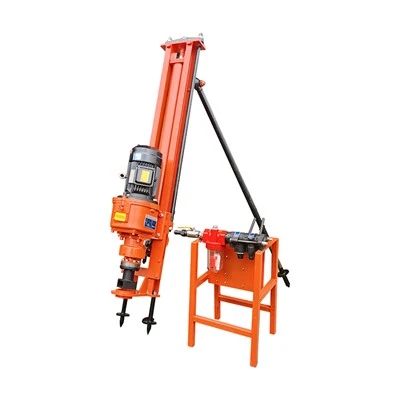
- small down the hole drilling: Our small down the hole drilling rigs are compact and lightweight, making them ideal for applications where space is limited or where mobility is required. These rigs are suitable for drilling in a variety of rock types and can be easily transported to different job sites. They offer a range of rotation speeds to accommodate different drilling conditions, ensuring optimal performance.
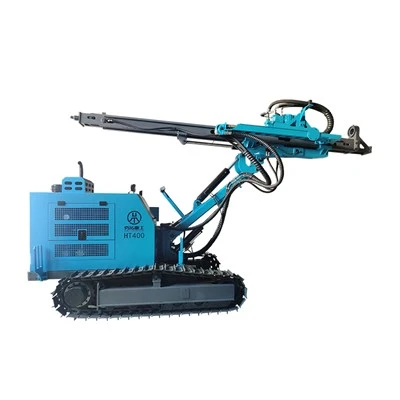
- Integrated Open-pit Down-the-hole Drill Rig: Our integrated open-pit down-the-hole drill rigs are designed for large-scale mining and quarrying operations. These rigs are equipped with powerful motors and advanced control systems to provide high drilling efficiency and accuracy. They offer a wide range of rotation speeds and can be customized to meet the specific requirements of each project.
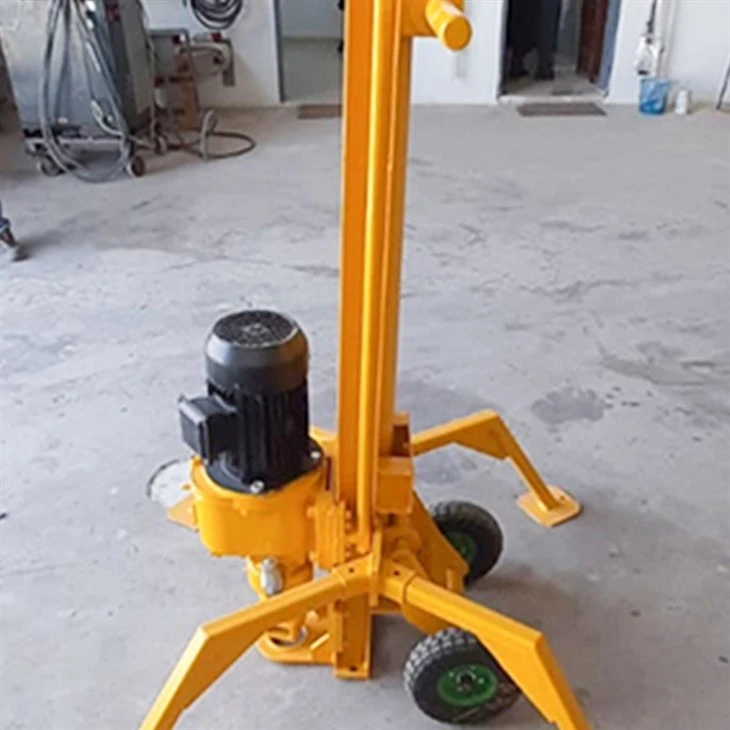
- mini pneumatic drill: Our mini pneumatic drills are versatile and easy to operate, making them suitable for a variety of applications, including geotechnical investigations, water well drilling, and small-scale construction projects. These drills offer a range of rotation speeds and can be used with different types of drill bits to suit the specific rock conditions.
Contact Us for Purchasing and Consultation
If you are in the market for a pneumatic rock drilling rig or have any questions about the rotation speed or other technical specifications, we invite you to contact us. Our team of experts is dedicated to providing you with the best solutions for your drilling needs. We can help you select the right rig and drill bit based on your specific requirements and provide you with detailed information about the rotation speed and other operating parameters. Whether you are a small contractor or a large mining company, we have the expertise and experience to support your drilling operations.
References
- Smith, J. (2018). Drilling Techniques for Hard Rock Mining. Mining Journal, 45(2), 34-42.
- Johnson, A. (2019). The Impact of Drill Bit Design on Drilling Performance. Rock Mechanics and Rock Engineering, 52(3), 789-802.
- Brown, C. (2020). Optimizing Air Pressure and Flow Rate in Pneumatic Rock Drilling. Journal of Drilling Engineering, 67(4), 23-31.