As a trusted supplier of screw air compressors, I've witnessed firsthand the critical role these machines play in various industries. From manufacturing plants to construction sites, screw air compressors are the unsung heroes that power countless operations. However, with the increasing emphasis on sustainability and cost - effectiveness, improving the energy efficiency of these compressors has become a top priority. In this blog, I'll share some insights and practical tips on how to enhance the energy efficiency of screw air compressors.
Understanding the Basics of Screw Air Compressors
Before delving into energy - saving strategies, it's essential to understand how screw air compressors work. Screw air compressors operate on the principle of positive displacement. They use two meshing helical rotors to compress air. As the rotors turn, the air is trapped between the rotors and the compressor housing, and the volume of the air pocket decreases, resulting in compression.
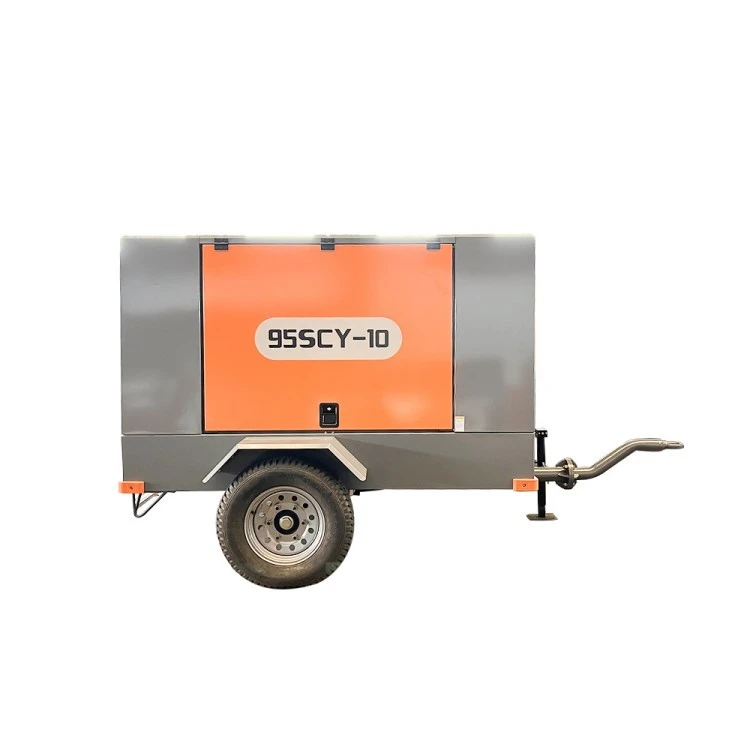
There are different types of screw air compressors available in the market. You can find a Screw Type Air Compressor which comes in portable diesel - powered models, suitable for on - the - go applications. Also, Low noise Screw air compressor is a great option for environments where noise is a concern. And for more stationary operations, stationary air compressor like truck - mounted electric rotary screw types are available.
Proper Sizing of the Compressor
One of the most fundamental steps in improving energy efficiency is to ensure that the compressor is properly sized for the application. An oversized compressor will consume more energy than necessary, as it will often run in an unloaded state. On the other hand, an undersized compressor will have to work harder to meet the demand, leading to increased energy consumption and potential equipment failure.
To determine the right size, you need to calculate the required air volume (in cubic feet per minute or CFM) and pressure (in pounds per square inch or PSI) for your specific application. Consider factors such as the number of pneumatic tools in use, their duty cycles, and any future expansion plans. It's also advisable to consult with an experienced engineer or a representative from a reputable compressor supplier to get an accurate assessment.
Regular Maintenance
Regular maintenance is crucial for the efficient operation of screw air compressors. Over time, components such as air filters, oil filters, and separators can become clogged, which restricts the airflow and forces the compressor to work harder. By replacing these filters at recommended intervals, you can ensure smooth air intake and reduce energy consumption.
Lubrication is another important aspect of maintenance. The oil in a screw air compressor serves multiple purposes, including cooling, sealing, and lubricating the rotors. If the oil level is low or the oil has degraded, it can lead to increased friction and heat generation, resulting in higher energy usage. Regularly check the oil level and quality, and change the oil as per the manufacturer's guidelines.
Inspecting and tightening all the connections and fittings is also essential. Leaky pipes and hoses can cause a significant loss of compressed air, which means the compressor has to work more to maintain the required pressure. A simple ultrasonic leak detector can be used to identify and fix these leaks promptly.
Optimal Operating Conditions
The operating environment can have a significant impact on the energy efficiency of a screw air compressor. Compressors should be installed in a well - ventilated area with adequate space around them. A hot and stuffy environment can cause the compressor to overheat, reducing its efficiency and potentially damaging the components.
The intake air temperature also affects the compressor's performance. Cooler air is denser, which means the compressor can compress more air with less energy. If possible, install the compressor in a location where it can draw in cooler air, such as near an outside wall or in a shaded area.
Variable Speed Drive (VSD) Technology
Variable Speed Drive (VSD) technology is a game - changer when it comes to improving the energy efficiency of screw air compressors. Traditional fixed - speed compressors operate at a constant speed, regardless of the actual air demand. This often leads to inefficient operation, especially when the demand fluctuates.
VSD compressors, on the other hand, can adjust their speed according to the air demand. When the demand is low, the compressor slows down, consuming less energy. As the demand increases, the compressor speeds up to meet the requirements. This results in significant energy savings, especially in applications with varying air demands, such as in manufacturing plants where different processes may require different amounts of compressed air at different times.
Pressure Management
Maintaining the correct pressure is essential for energy efficiency. Running the compressor at a higher pressure than necessary not only consumes more energy but also increases the wear and tear on the equipment. Analyze your pneumatic system to determine the minimum pressure required for your tools and processes. Then, set the compressor's pressure control system to maintain this optimal pressure.

Using pressure regulators at the point of use can also help in reducing energy consumption. These regulators can adjust the pressure to the exact level required by each pneumatic tool, preventing over - pressurization and unnecessary energy waste.
Energy - Efficient Compressed Air Distribution
The way compressed air is distributed throughout your facility can also impact energy efficiency. Designing a well - thought - out compressed air distribution system can minimize pressure drops and reduce energy losses.
Use larger - diameter pipes to reduce friction and pressure drops. Insulate the pipes to prevent heat loss, especially in cold environments. Additionally, installing air receivers or storage tanks can help in stabilizing the pressure and reducing the number of starts and stops of the compressor, which in turn saves energy.
Monitoring and Control
Implementing a monitoring and control system can provide valuable insights into the operation of your screw air compressor. By monitoring parameters such as energy consumption, air pressure, temperature, and flow rate, you can identify any inefficiencies or potential problems early on.
Many modern compressors come with built - in monitoring systems that can be connected to a central control unit or accessed remotely via a computer or a mobile device. This allows you to make real - time adjustments to the compressor settings and optimize its performance.
Conclusion
Improving the energy efficiency of a screw air compressor is not only beneficial for the environment but also for your bottom line. By following the tips mentioned above, such as proper sizing, regular maintenance, optimal operating conditions, and the use of advanced technologies like VSD, you can significantly reduce your energy costs and extend the lifespan of your compressor.
As a leading supplier of screw air compressors, we are committed to helping our customers achieve maximum energy efficiency. Our team of experts can provide you with customized solutions based on your specific requirements. If you're interested in learning more about how we can assist you in improving the energy efficiency of your screw air compressor or if you're looking to purchase a new compressor, we invite you to get in touch with us for a detailed consultation and to start a procurement discussion.
References
- Compressed Air and Gas Institute (CAGI). "Best Practices for Compressed Air Systems."
- ASHRAE (American Society of Heating, Refrigerating and Air - Conditioning Engineers). "Guidelines for Energy - Efficient Compressed Air Systems."
- Manufacturer's manuals for screw air compressors.