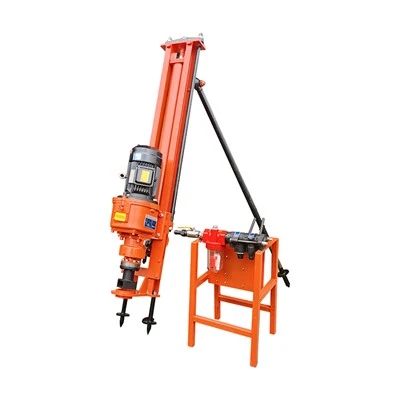
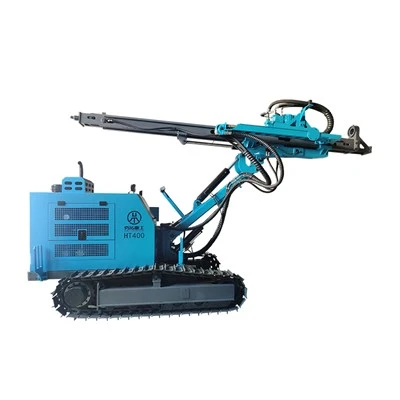
Optimizing the drilling parameters of a water well drilling rig truck is a critical process that can significantly enhance the efficiency, safety, and cost - effectiveness of water well drilling operations. As a water well drilling rig truck supplier, I am well - versed in the factors that influence these parameters and the strategies to optimize them.
Understanding the Basics of Drilling Parameters
Before delving into the optimization strategies, it is essential to understand the key drilling parameters. These include the rotational speed of the drill bit, the feed rate (the rate at which the drill bit is advanced into the ground), the weight on bit (WOB), and the flow rate of the drilling fluid.
The rotational speed of the drill bit determines how fast the bit cuts through the rock or soil. A higher rotational speed can increase the rate of penetration (ROP) in soft formations. However, in hard formations, an excessively high rotational speed can cause premature wear of the drill bit or even lead to bit breakage.
The feed rate is closely related to the rotational speed. It needs to be adjusted according to the type of formation and the cutting ability of the drill bit. If the feed rate is too high, the drill bit may become overloaded, and if it is too low, the drilling efficiency will be reduced.
The weight on bit is the force applied vertically to the drill bit. A proper WOB is crucial for effective cutting. Insufficient WOB may result in poor cutting performance, while excessive WOB can cause damage to the drill string and the drill bit.
The flow rate of the drilling fluid serves multiple purposes. It cools the drill bit, removes cuttings from the wellbore, and maintains wellbore stability. An appropriate flow rate ensures that the cuttings are carried to the surface in a timely manner and that the wellbore does not collapse.
Factors Affecting Drilling Parameters
Formation Characteristics
The type of formation being drilled has a profound impact on the drilling parameters. Soft formations such as sand and clay require different settings compared to hard formations like granite or limestone. In soft formations, a higher rotational speed and feed rate can be used, while in hard formations, lower rotational speeds and higher weights on bit may be necessary.
Drill Bit Type
Different drill bit types are designed for specific formations and drilling conditions. For example, roller cone bits are suitable for a wide range of formations, while diamond bits are more effective in hard and abrasive formations. The choice of drill bit will influence the optimal values of rotational speed, feed rate, and weight on bit.
Drilling Rig Capacity
The capacity of the water well drilling rig truck, including its power output, torque, and hoisting capacity, also limits the available drilling parameters. It is important to ensure that the selected parameters are within the rig's operational capabilities to avoid equipment damage.
Optimization Strategies
Pre - Drilling Analysis
Before starting the drilling operation, a comprehensive analysis of the geological conditions should be conducted. This may involve reviewing geological maps, conducting soil tests, or consulting local geological experts. Based on this information, initial drilling parameters can be estimated.
For example, if the analysis indicates that the formation consists mainly of soft sand, a relatively high rotational speed (e.g., 100 - 150 RPM) and a moderate feed rate can be set initially.
Real - Time Monitoring and Adjustment
During the drilling process, real - time monitoring of the drilling parameters is essential. Modern water well drilling rig trucks are often equipped with sensors that can measure parameters such as rotational speed, feed rate, weight on bit, and drilling fluid pressure.
If the rate of penetration suddenly decreases or the torque on the drill string increases abnormally, it may indicate that the current parameters are not optimal. In such cases, adjustments should be made promptly. For instance, if the drill bit is getting stuck due to insufficient cutting ability, the weight on bit can be slightly increased, or the rotational speed can be adjusted.
Drill Bit Selection and Maintenance
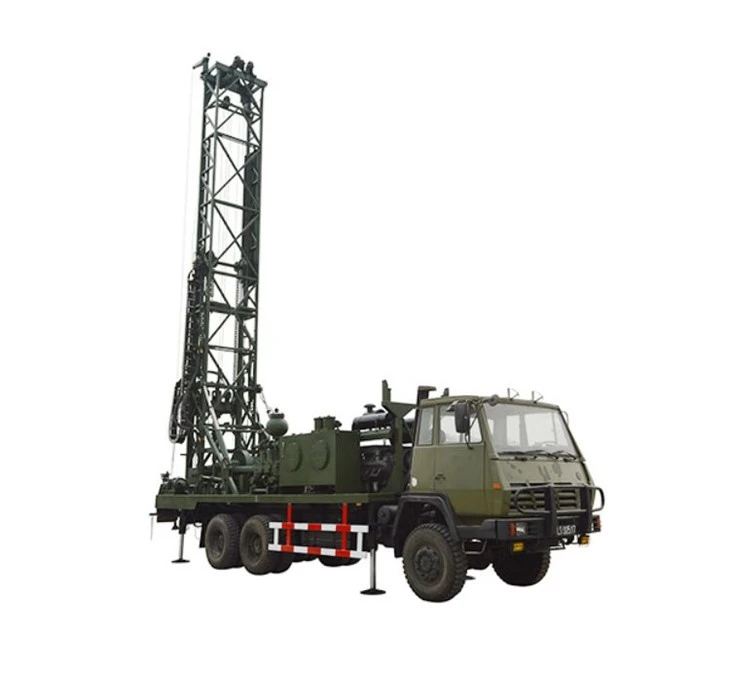
Choosing the right drill bit for the formation is a key step in optimizing drilling parameters. As a water well drilling rig truck supplier, we offer a variety of drill bits suitable for different formations. For example, our Multi - Functional Truck - mounted Water Well Drilling Rig is compatible with multiple types of drill bits.
Regular maintenance of the drill bit is also crucial. Worn - out drill bits should be replaced in a timely manner to ensure consistent drilling performance. A dull drill bit will require more power and may lead to inefficient drilling even with the correct parameters.
Drilling Fluid Management
Proper management of the drilling fluid is essential for optimizing the drilling process. The type and properties of the drilling fluid should be selected according to the formation characteristics. For example, in a water - sensitive formation, a polymer - based drilling fluid may be used to prevent swelling of the clay.
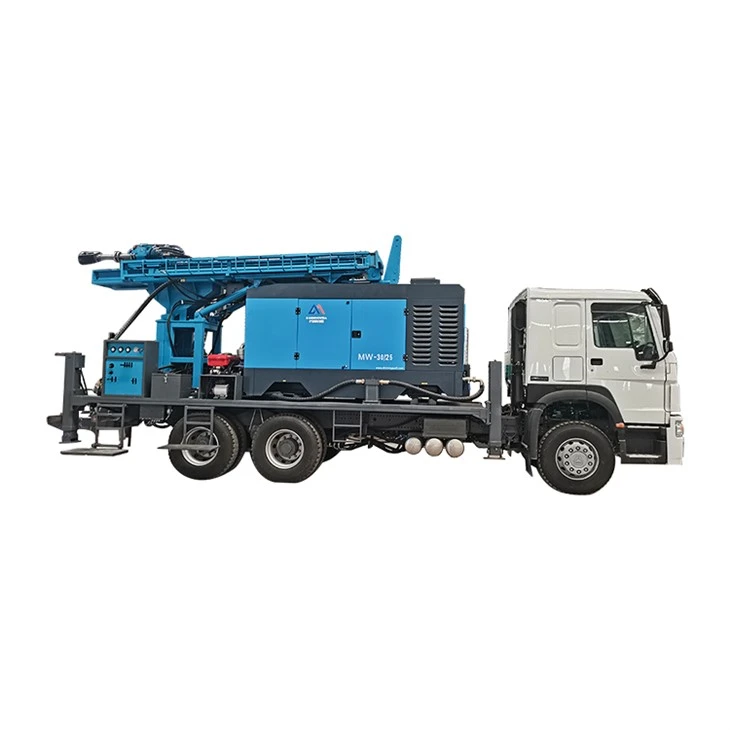
The flow rate of the drilling fluid should be adjusted based on the drilling depth and the rate of cuttings generation. A higher flow rate may be required when drilling deeper or in formations that produce a large amount of cuttings. Our Wheels Hydraulic Water Well Drilling Rig is equipped with a reliable drilling fluid circulation system that allows for easy adjustment of the flow rate.
Benefits of Optimizing Drilling Parameters
Increased Efficiency
By optimizing the drilling parameters, the rate of penetration can be significantly increased. This means that more wells can be drilled in a shorter period, reducing the overall project time and cost.
Extended Equipment Life
Properly adjusted parameters reduce the stress on the drill bit, drill string, and other components of the drilling rig. This leads to less wear and tear, extending the service life of the equipment and reducing maintenance costs.
Improved Well Quality
Optimal drilling parameters ensure better wellbore stability and a smoother wellbore profile. This is beneficial for subsequent well completion operations such as casing installation and well development.
Conclusion
Optimizing the drilling parameters of a water well drilling rig truck is a complex but rewarding process. By understanding the factors that affect these parameters and implementing appropriate optimization strategies, drilling operations can be made more efficient, cost - effective, and safe.
As a water well drilling rig truck supplier, we are committed to providing high - quality equipment and technical support to our customers. Our truck mounted water well drilling rig is designed to offer excellent performance and flexibility in various drilling conditions.
If you are interested in our water well drilling rig trucks or need further advice on optimizing drilling parameters, we encourage you to contact us for procurement and consultation. We look forward to working with you to achieve successful water well drilling projects.
References
- Bourgoyne, A. T., Chenevert, M. E., Millheim, K. K., & Young, F. S. (1986). Applied Drilling Engineering. Society of Petroleum Engineers.
- Mitchell, R. F., & Miska, S. Z. (2002). Fundamentals of Drilling Engineering. Society of Petroleum Engineers.