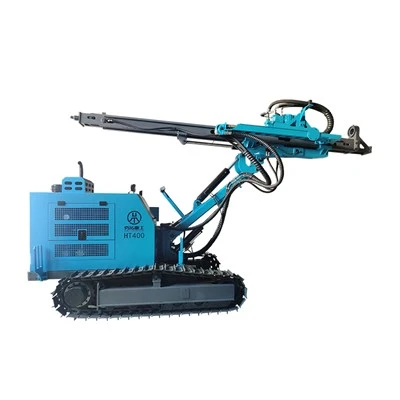
Hey there, fellow drilling enthusiasts! As a supplier of core drilling rigs, I've seen firsthand the unique challenges that come with operating these powerful machines in cold weather. In this blog post, I'm gonna share some tips and tricks on how to keep your core drilling rig running smoothly even when the mercury drops.
Pre - cold Weather Preparation
Before the cold weather hits, it's crucial to give your core drilling rig a thorough inspection. Check all the fluid levels, including the engine oil, hydraulic fluid, coolant, and fuel. Cold temperatures can cause fluids to thicken, which can lead to poor performance and even damage to your rig. Make sure to use fluids that are rated for cold - weather use. For example, use a thinner engine oil with a lower viscosity rating, like 5W - 30 instead of 10W - 30.
Inspect the hoses and belts for any signs of wear or damage. Cold weather can make rubber hoses brittle, increasing the risk of cracks and leaks. Replace any hoses or belts that show signs of deterioration. Also, check the battery. Cold temperatures can reduce a battery's capacity, so make sure it's fully charged and in good condition. Consider using a battery warmer to keep the battery at an optimal temperature.
Starting the Core Drilling Rig in Cold Weather
Starting a core drilling rig in cold weather can be a real challenge. The thickened fluids and reduced battery capacity can make it difficult for the engine to turn over. To make starting easier, use a block heater. A block heater warms up the engine block, making it easier for the engine to start. Plug in the block heater several hours before you plan to start the rig.
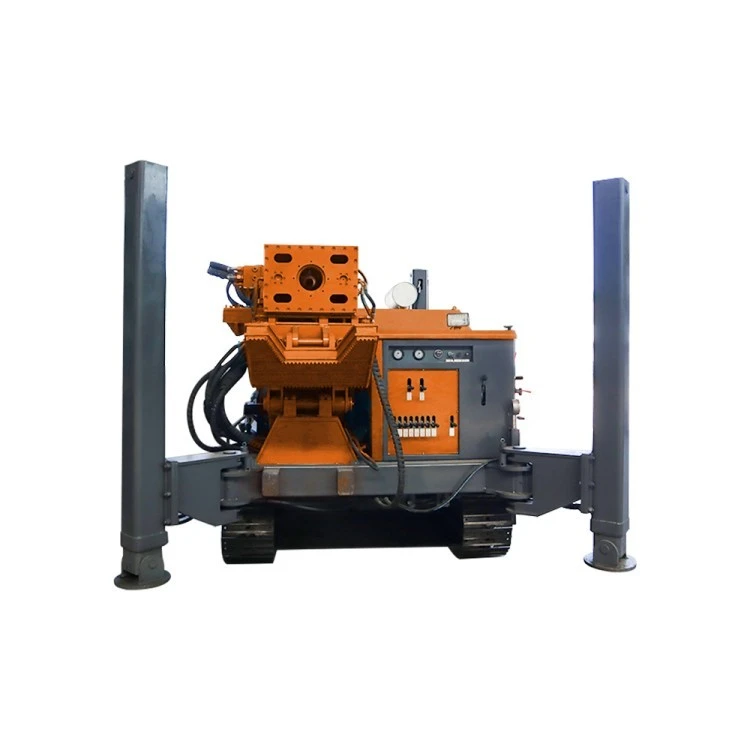
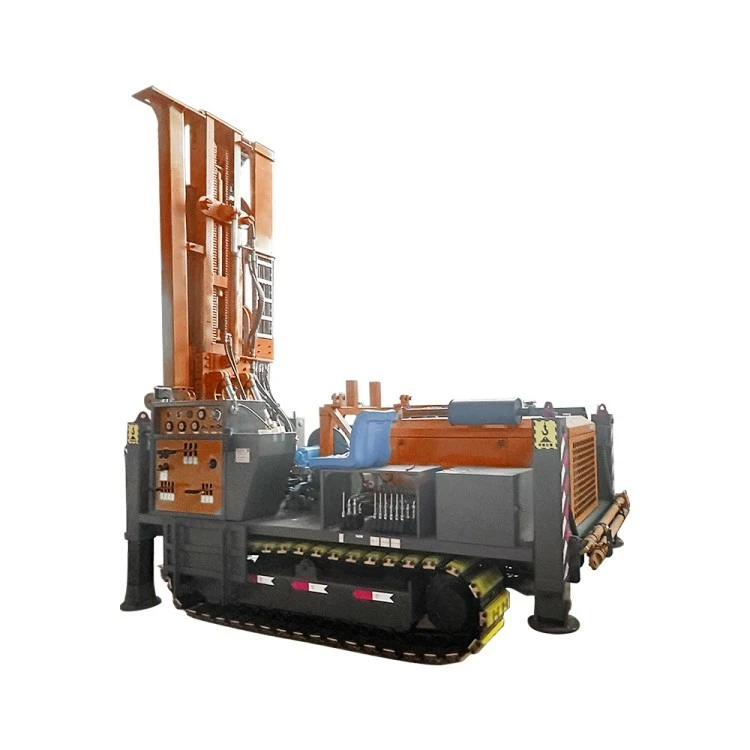
If your rig has a glow plug system, make sure it's working properly. Glow plugs heat up the combustion chamber, helping the engine to start in cold weather. Let the glow plugs warm up for the recommended amount of time before attempting to start the engine.
When starting the engine, avoid over - cranking. Over - cranking can drain the battery and cause damage to the starter motor. If the engine doesn't start after a few attempts, wait a few minutes before trying again.
Operating the Core Drilling Rig in Cold Weather
Once the rig is running, it's important to let it warm up properly. Don't start drilling right away. Let the engine idle for a few minutes to allow the fluids to circulate and warm up. This will help to ensure smooth operation and prevent damage to the engine and other components.
Keep an eye on the temperature gauges. Cold weather can cause the engine and hydraulic system to run colder than normal, but you still need to make sure they don't overheat. If the temperature starts to rise too high, stop the rig and let it cool down.
When drilling, be aware that the ground may be frozen. Frozen ground can be much harder to drill through than unfrozen ground. You may need to adjust your drilling parameters, such as the rotation speed and feed pressure. Use a drill bit that is suitable for drilling in frozen ground.
Maintenance During Cold Weather Operation
Regular maintenance is even more important in cold weather. Check the fluid levels frequently, as cold weather can cause fluids to contract and evaporate more quickly. Top off the fluids as needed.
Inspect the rig for any signs of ice or snow buildup. Ice and snow can add extra weight to the rig and interfere with the operation of moving parts. Use a brush or compressed air to remove any ice or snow from the rig.
Lubricate all the moving parts regularly. Cold weather can cause lubricants to thicken, reducing their effectiveness. Use a lubricant that is designed for cold - weather use.
Our Core Drilling Rigs for Cold - Weather Operation
At our company, we offer a range of core drilling rigs that are suitable for cold - weather operation. Our 500m Portable Reverse Circulation Geological Exploration Drilling Machine is a great choice for those who need a portable and reliable rig. It's designed to handle tough drilling conditions, including cold weather.
The wireline core drilling rigs we supply are also well - equipped for cold - weather use. They feature advanced hydraulic systems and powerful engines that can operate efficiently even in low temperatures.
If you need a more heavy - duty option, our 1000m Full Hydraulic Core Drilling Rig is a top - notch choice. It's built to handle deep drilling projects in cold and harsh environments.
Conclusion
Operating a core drilling rig in cold weather requires some extra care and attention. By following the tips and tricks I've shared in this blog post, you can keep your rig running smoothly and avoid costly breakdowns. If you're in the market for a new core drilling rig or need advice on cold - weather operation, don't hesitate to reach out to us. We're here to help you make the right choice and ensure that your drilling operations are a success. Whether you're a small - scale driller or a large - scale exploration company, we have the right rig for you. Contact us today to start the conversation about your drilling needs and find the perfect core drilling rig for your project.
References
- Drilling Equipment Handbook.
- Cold - Weather Operation Guidelines from Industry Associations.