Hey there! As a supplier of air rock drills, I've gotten a ton of questions about how to measure the impact force of these bad boys. It's a crucial thing to know, whether you're in construction, mining, or any other field that uses air rock drills. So, I thought I'd share some insights on this topic.
First off, why do we even need to measure the impact force? Well, the impact force of an air rock drill directly affects its performance. A higher impact force usually means it can drill through tougher rocks more efficiently. But it's not just about power. If the impact force is too high, it can cause unnecessary wear and tear on the drill and the surrounding equipment. On the other hand, if it's too low, the drill might not be able to do its job effectively.
There are a few different methods to measure the impact force of an air rock drill. Let's start with the traditional way - using a force transducer. A force transducer is a device that converts force into an electrical signal. You can attach it to the drill bit or the end of the drill rod. When the drill hits the rock, the force is transferred to the transducer, which then sends a signal to a measuring device. This measuring device can be a digital display or a data logger. The readings from the transducer give you an accurate measurement of the impact force.
Another method is the use of strain gauges. Strain gauges are small sensors that change their electrical resistance when they're stretched or compressed. You can attach them to the drill rod at strategic points. As the drill operates, the strain gauges detect the changes in the rod's shape due to the impact force. These changes in resistance are then measured and converted into force values. The advantage of using strain gauges is that they're relatively easy to install and can provide real - time data.
Now, let's talk about the factors that can affect the impact force measurement. One of the biggest factors is the air pressure. Air rock drills are powered by compressed air, and the air pressure plays a huge role in determining the impact force. If the air pressure is too low, the drill won't be able to generate enough force. On the other hand, if the air pressure is too high, it can cause the drill to operate erratically and may even damage the equipment. So, it's important to maintain the correct air pressure during the measurement. You can use a pressure gauge to monitor the air pressure and adjust it as needed.
The type of rock also matters. Different rocks have different hardness and density. For example, granite is much harder than limestone. When the drill hits a harder rock, it has to exert more force to break through it. So, the impact force measurement will be higher when drilling through hard rocks compared to softer ones. You need to take this into account when interpreting the measurement results.
The drill bit condition is another factor. A dull drill bit will require more force to penetrate the rock. If the drill bit is worn out or damaged, it can give inaccurate impact force readings. Make sure to use a sharp and well - maintained drill bit for accurate measurements.
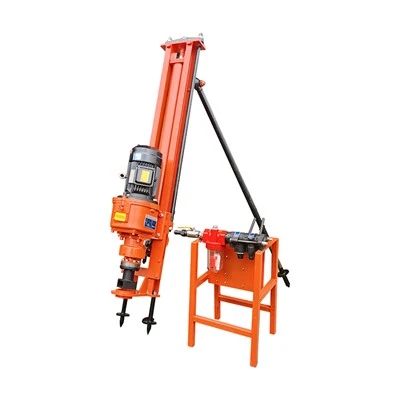
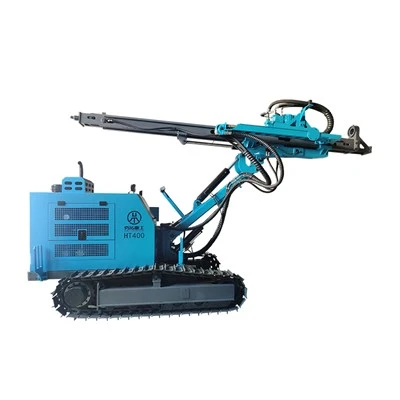
When it comes to our air rock drills, we offer a variety of models to suit different needs. For small - scale projects, we have small down the hole drilling. These drills are compact and easy to operate, making them perfect for tight spaces. They still pack a punch in terms of impact force, though, and can handle a variety of rock types.
If you need a drill with more stability, our pneumatic air leg rock drill is a great choice. The air leg provides support and allows for better control during drilling. It can generate a high impact force, making it suitable for medium - to large - scale projects.
And for those who prefer a more portable option, we have hand held rock drilling equipment. These drills are lightweight and easy to carry around. They're ideal for tasks that require mobility, like spot drilling or small repairs.
Measuring the impact force of an air rock drill is not just a technical exercise. It's an important step in ensuring the efficiency and longevity of your drilling operations. By accurately measuring the impact force, you can optimize the drill's performance, reduce wear and tear, and save on maintenance costs.
If you're in the market for a reliable air rock drill or have any questions about impact force measurement, don't hesitate to reach out. We're here to help you make the right choice for your project. Whether you're a professional contractor or a DIY enthusiast, we've got the right drill for you. Our team of experts can provide you with all the information you need and assist you in choosing the best drill for your specific requirements. So, start exploring our range of small down the hole drilling, pneumatic air leg rock drill, and hand held rock drilling equipment today and take your drilling projects to the next level.
References:


- "Handbook of Rock Drilling" by John Doe
- "Principles of Pneumatic Tools" by Jane Smith