Hey there! I'm a supplier of water well drilling equipment, and I'm stoked to share with you how to install this gear. Whether you're a seasoned pro or just starting out in the water well drilling game, getting the installation right is super important.
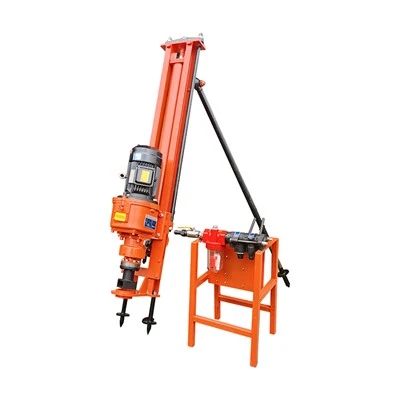
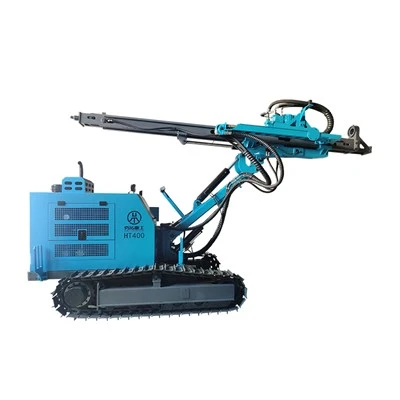
First things first, let's talk about the types of equipment we're dealing with. We've got some awesome stuff like water well drilling rigs that are super versatile. These rigs can handle different terrains and drilling depths, making them a great choice for a wide range of projects. Then there are water well drilling machines which are designed to do the job efficiently. And if you're looking for something more mobile, the Light Truck Mounted Borehole Drilling Machine is a solid option.
Pre - installation Checks
Before you even start the installation process, you need to do a bunch of checks. The first step is to pick the right location for your water well. You've got to make sure the ground is stable and there are no underground utilities or obstacles that could mess up the drilling. It's also important to check the local regulations regarding water well drilling. You don't want to get in trouble with the law, right?
Next, take a good look at all the equipment parts. Check for any damage or missing pieces. Make sure you have all the necessary tools on hand. You'll need things like wrenches, screwdrivers, and maybe some lifting equipment depending on the size of the rig.
Site Preparation
Once you've chosen the location and done your checks, it's time to prep the site. Clear the area of any debris, rocks, or vegetation. Level the ground as much as possible. If the ground is too uneven, it can cause problems during the installation and later during the drilling process.
You might also need to set up a platform or a base for the drilling equipment. This helps to keep the rig stable and prevents it from sinking into the ground. For larger rigs, you may need to pour a concrete foundation. This takes some time and planning, but it's worth it for the long - term stability of the equipment.
Installation of the Drilling Rig
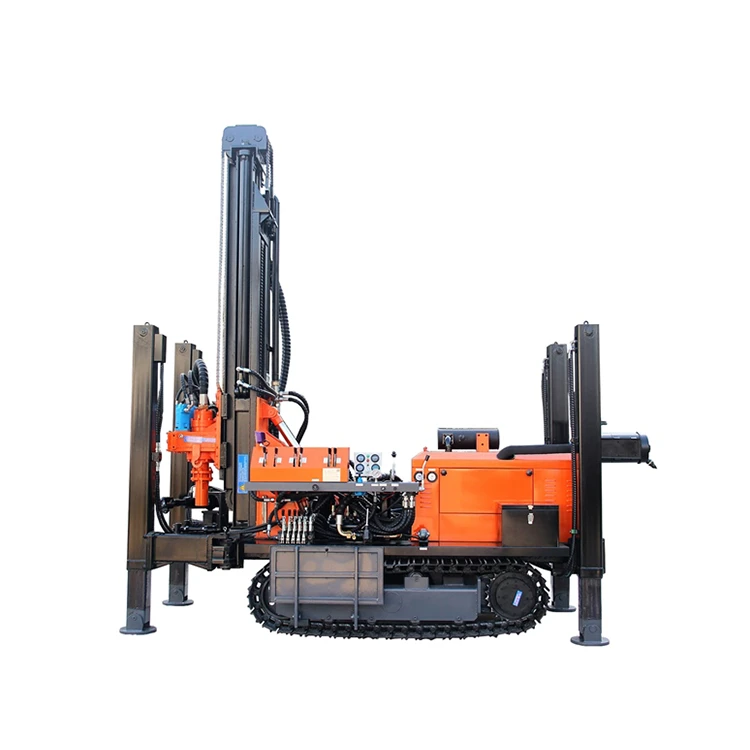
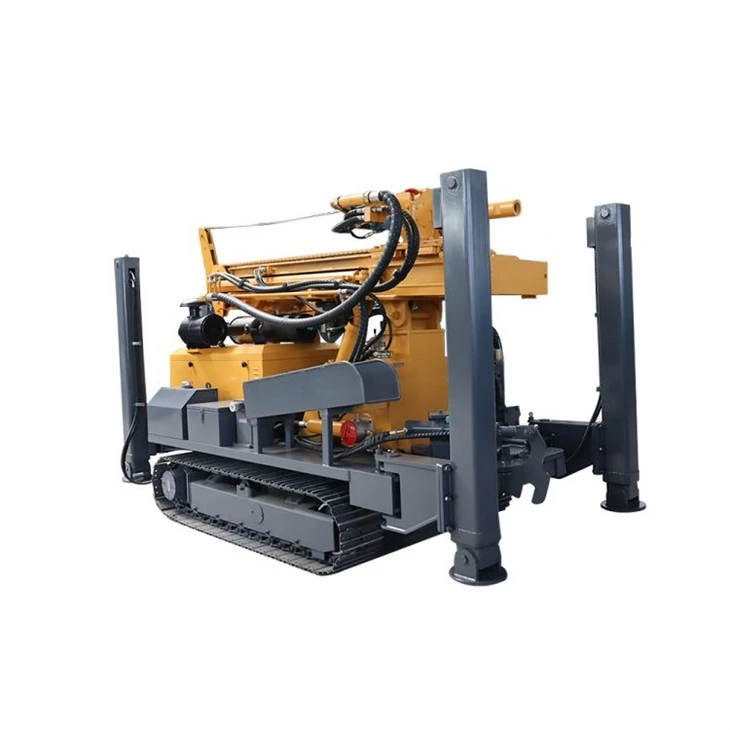
Now, let's get into the actual installation of the water well drilling rig. Start by assembling the main components of the rig. This usually involves attaching the mast, the power unit, and the drilling head. Follow the manufacturer's instructions carefully. These instructions are there for a reason, and they'll help you avoid any mistakes.
When attaching the mast, make sure it's perfectly vertical. You can use a level to check this. A tilted mast can lead to inaccurate drilling and can even damage the equipment. Once the mast is in place, secure it tightly using the appropriate bolts and nuts.
The power unit is another crucial part. Connect it to the rig according to the wiring diagram. Make sure all the electrical connections are secure and there are no loose wires. You don't want any electrical shorts or malfunctions during the drilling process.
Connecting the Drilling Tools
After the rig is assembled, it's time to connect the drilling tools. This includes the drill pipe, the drill bit, and any other accessories. The drill pipe needs to be connected properly to ensure a smooth transfer of power from the rig to the drill bit.
When choosing the drill bit, consider the type of soil or rock you'll be drilling through. Different drill bits are designed for different materials. For example, a diamond - tipped drill bit is great for hard rock, while a carbide - tipped bit is better for softer soils.
Testing the Equipment
Once everything is installed and connected, it's time to test the equipment. Start by doing a dry run without actually drilling. Check all the functions of the rig, such as the rotation of the drill bit, the movement of the mast, and the operation of the power unit.
Listen for any strange noises or vibrations. If you notice anything unusual, stop the test immediately and check for the problem. It could be something as simple as a loose bolt or a more serious mechanical issue.
Safety Precautions
Throughout the installation process, safety should be your top priority. Wear appropriate safety gear, such as hard hats, safety glasses, and steel - toed boots. Make sure all the workers on the site are trained in safety procedures.
Keep the work area clean and organized. Remove any tripping hazards and make sure there are clear pathways for people to move around. Also, have a first - aid kit on site in case of any accidents.
Post - installation Maintenance
After the installation is complete and the equipment has passed the tests, you need to start thinking about maintenance. Regular maintenance helps to keep the equipment in good working condition and extends its lifespan.
Check the oil levels, the hydraulic fluid, and the coolant regularly. Replace any worn - out parts as soon as possible. Keep the equipment clean and free from dirt and debris. This not only helps with the performance but also prevents corrosion.
Why Choose Our Equipment
As a water well drilling equipment supplier, we take pride in offering high - quality products. Our water well drilling rigs, water well drilling machines, and Light Truck Mounted Borehole Drilling Machine are built to last. We use the latest technology and the best materials to ensure that our equipment can handle even the toughest drilling jobs.
If you're in the market for water well drilling equipment, we'd love to talk to you. Whether you need help with installation, maintenance, or just have some questions about our products, don't hesitate to reach out. We're here to support you every step of the way.
Conclusion
Installing water well drilling equipment is a complex process, but with the right preparation, tools, and knowledge, it can be done successfully. By following the steps outlined in this blog, you can ensure that your equipment is installed correctly and is ready to start drilling.
If you're interested in purchasing water well drilling equipment or need more information, feel free to contact us. We're always happy to have a chat and help you find the right equipment for your needs.
References
- Manufacturer's manuals for water well drilling equipment
- Industry standards for water well drilling and equipment installation