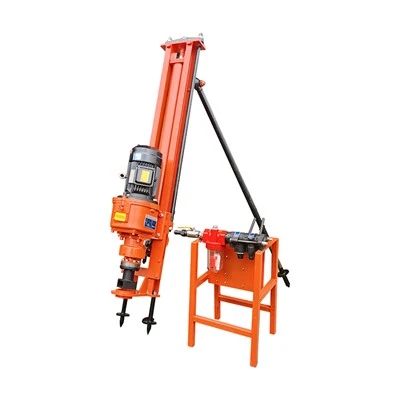
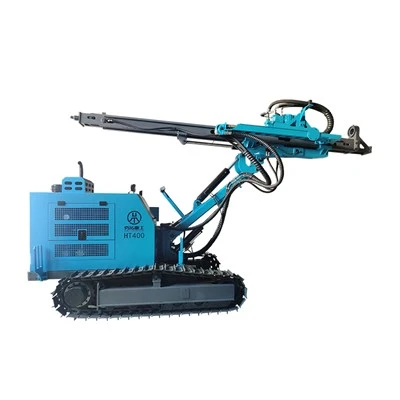
Hey there! As a supplier of pneumatic rock drilling rigs, I've seen firsthand the importance of efficiency in the rock drilling industry. Whether you're working on a small construction project or a large mining operation, getting the most out of your drilling rig can save you time, money, and a whole lot of headaches. In this blog post, I'm gonna share some tips on how to improve the efficiency of a pneumatic rock drilling rig.
1. Proper Equipment Selection
First things first, choosing the right pneumatic rock drilling rig for the job is crucial. You wouldn't use a hand held rock drilling equipment for a large - scale mining project, just like you wouldn't use a heavy - duty Integrated Open - pit Down - the - hole Drill Rig for a small DIY construction job in your backyard.
Consider the type of rock you'll be drilling. Different rocks have different hardness levels. For softer rocks, a less powerful rig might do the trick, while harder rocks like granite will require a more robust and high - impact pneumatic rock drill, such as a pneumatic air leg rock drill. Also, think about the depth and diameter of the holes you need to drill. If you need to drill deep and wide holes, a rig with high - pressure air supply and a large - diameter drill bit is essential.
2. Regular Maintenance
You know what they say, "An ounce of prevention is worth a pound of cure." This is especially true when it comes to pneumatic rock drilling rigs. Regular maintenance can significantly improve the efficiency of your rig.
Check the air compressor regularly. The air compressor is the heart of a pneumatic rock drilling rig. Make sure it's clean, the filters are changed on time, and the belts are in good condition. A dirty or malfunctioning air compressor can lead to reduced air pressure, which means the drill won't work as effectively.
Inspect the drill bits. Worn - out drill bits can slow down the drilling process and may even cause damage to the rig. Replace the drill bits when they start to show signs of wear, like dull edges or chipping. Also, keep the drill bits properly lubricated to reduce friction and heat, which can increase their lifespan and improve drilling speed.
Lubricate all moving parts. Pneumatic rock drilling rigs have a lot of moving parts, and proper lubrication is key to keeping them running smoothly. Use the right type of lubricant recommended by the manufacturer and apply it at the intervals specified in the user manual.
3. Operator Training
Even the best - maintained and most advanced pneumatic rock drilling rig won't be efficient if the operator doesn't know how to use it properly. That's why operator training is so important.
A well - trained operator knows how to adjust the air pressure according to the type of rock and the drilling conditions. They can also spot potential problems early on, like unusual noises or vibrations, and take corrective action before it leads to a breakdown.
Provide your operators with comprehensive training on the operation, maintenance, and safety procedures of the pneumatic rock drilling rig. Encourage them to keep learning and stay updated on the latest techniques and best practices in rock drilling.
4. Optimize Air Supply
Since pneumatic rock drilling rigs rely on compressed air to operate, optimizing the air supply is crucial for efficiency.
Ensure that the air hoses are the right size and in good condition. A too - small air hose can restrict the air flow, while a damaged hose can cause air leaks. Check the hoses regularly for cracks, leaks, or kinks and replace them if necessary.
Maintain a consistent air pressure. Fluctuations in air pressure can lead to uneven drilling and reduced efficiency. Use a pressure regulator to keep the air pressure stable within the recommended range for your rig.
5. Drilling Techniques
Using the right drilling techniques can also make a big difference in the efficiency of a pneumatic rock drilling rig.


Start the drilling slowly. This allows the drill bit to penetrate the rock smoothly without getting stuck or causing excessive wear. Once the drill bit is properly seated in the rock, you can gradually increase the drilling speed.
Apply the right amount of pressure. Too much pressure can damage the drill bit and the rig, while too little pressure can result in slow drilling. The operator should be able to feel the right balance and adjust the pressure accordingly.
Keep the drill perpendicular to the rock surface. Drilling at an angle can cause the drill bit to wander, which not only slows down the process but can also lead to inaccurate holes.
6. Use of Accessories
There are a variety of accessories available that can enhance the efficiency of a pneumatic rock drilling rig.
For example, a dust collector can be attached to the rig to collect the dust generated during drilling. This not only keeps the work area clean but also protects the operator's health. A dust - filled work environment can also cause problems for the rig, as the dust can get into the moving parts and cause damage.
Some rigs can be equipped with a water injection system. Water injection can cool the drill bit, reduce dust, and improve the drilling speed, especially in hard rocks.
7. Monitor and Analyze Performance
Keep track of the performance of your pneumatic rock drilling rig. Record the drilling time, the number of holes drilled, and any issues that arise during the operation.
Analyze this data to identify areas for improvement. For example, if you notice that the drilling time is increasing over time, it could be a sign that the drill bits need to be replaced or the air compressor is not working properly.
By monitoring and analyzing the performance, you can make informed decisions about maintenance, equipment upgrades, and training needs.
In conclusion, improving the efficiency of a pneumatic rock drilling rig requires a combination of proper equipment selection, regular maintenance, operator training, optimized air supply, the use of the right drilling techniques, and the use of accessories. By following these tips, you can get the most out of your pneumatic rock drilling rig, save time and money, and increase your productivity.
If you're interested in learning more about our pneumatic rock drilling rigs or have any questions about improving efficiency, feel free to reach out to us. We're here to help you make the most of your rock drilling operations.
References
- Rock Drilling Handbook, Industry Publication
- Manufacturer's User Manuals for Pneumatic Rock Drilling Rigs