Hey there! As a supplier of screw air compressors, I often get asked about the bearing life of these machines. It's a crucial topic because the bearings play a significant role in the overall performance and longevity of a screw air compressor. So, let's dive right in and explore what the bearing life of a screw air compressor is all about.
What Are Bearings in a Screw Air Compressor?
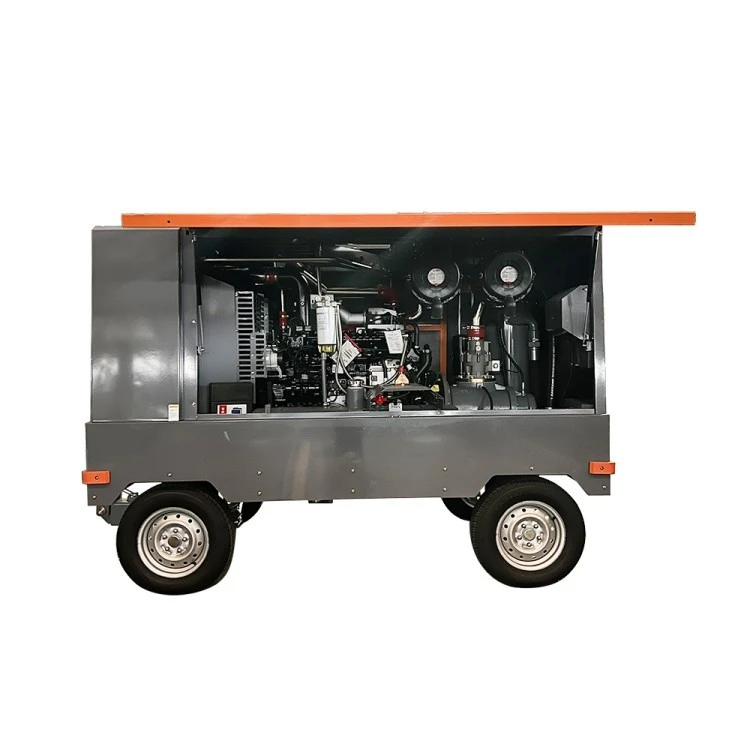
First things first, let's understand what bearings are and what they do in a screw air compressor. Bearings are mechanical components that support and reduce friction between moving parts. In a screw air compressor, bearings are used to support the rotors, shafts, and other rotating components. They ensure smooth and efficient operation by allowing these parts to rotate with minimal resistance.
There are different types of bearings used in screw air compressors, including ball bearings, roller bearings, and tapered roller bearings. Each type has its own characteristics and is suitable for specific applications. For example, ball bearings are commonly used in high-speed applications due to their low friction and high rotational speed capabilities. Roller bearings, on the other hand, are better suited for heavy loads and can handle higher radial and axial forces.
Factors Affecting Bearing Life
Now that we know what bearings are and their role in a screw air compressor, let's talk about the factors that affect their life. There are several factors that can influence the bearing life of a screw air compressor, and understanding these factors is essential for ensuring optimal performance and longevity.
1. Load
The load on the bearings is one of the most significant factors affecting their life. Bearings are designed to handle a certain amount of load, and exceeding this load can cause premature wear and failure. In a screw air compressor, the load on the bearings is determined by the compressor's operating conditions, such as the pressure, temperature, and flow rate. Higher operating pressures and temperatures can increase the load on the bearings, reducing their life.
2. Lubrication
Proper lubrication is crucial for the long life of bearings. Lubrication helps to reduce friction between the moving parts, prevent wear and tear, and dissipate heat. In a screw air compressor, the bearings are typically lubricated with oil or grease. The quality and quantity of the lubricant can have a significant impact on the bearing life. Using the wrong type of lubricant or not maintaining the proper lubrication level can lead to increased friction, heat generation, and premature bearing failure.
3. Contamination
Contamination is another factor that can affect the bearing life of a screw air compressor. Dust, dirt, moisture, and other contaminants can enter the compressor and damage the bearings. Contaminants can cause abrasion, corrosion, and fatigue, leading to premature bearing failure. To prevent contamination, it's essential to use high-quality air filters and ensure proper maintenance of the compressor.
4. Speed
The speed at which the bearings rotate also affects their life. Higher rotational speeds can increase the friction and heat generation, reducing the bearing life. In a screw air compressor, the speed of the rotors and shafts is determined by the compressor's design and operating conditions. It's important to operate the compressor within the recommended speed range to ensure optimal bearing life.
5. Installation and Alignment
Proper installation and alignment of the bearings are essential for their long life. Incorrect installation or misalignment can cause uneven loading on the bearings, leading to premature wear and failure. It's important to follow the manufacturer's instructions when installing the bearings and ensure that they are properly aligned.
Calculating Bearing Life
Calculating the bearing life of a screw air compressor can be a complex process, as it depends on several factors, including the load, speed, lubrication, and operating conditions. However, there are some general guidelines and formulas that can be used to estimate the bearing life.
One of the most commonly used methods for calculating bearing life is the L10 life calculation. The L10 life is the number of revolutions or hours that 90% of a group of identical bearings can be expected to operate without failure under a given set of conditions. The L10 life can be calculated using the following formula:
L10 = (C/P)^p x 10^6 revolutions
Where:
- L10 is the L10 life in revolutions
- C is the basic dynamic load rating of the bearing
- P is the equivalent dynamic load on the bearing
- p is the exponent, which depends on the type of bearing (usually 3 for ball bearings and 10/3 for roller bearings)
Once the L10 life in revolutions is calculated, it can be converted to hours by dividing by the rotational speed of the bearing in revolutions per minute (RPM) and multiplying by 60.
It's important to note that the L10 life is only an estimate, and the actual bearing life may vary depending on the operating conditions and other factors. Therefore, it's always a good idea to consult with the bearing manufacturer or a qualified engineer for a more accurate bearing life calculation.
Extending Bearing Life
Now that we know the factors that affect the bearing life of a screw air compressor and how to calculate it, let's talk about some tips for extending the bearing life.
1. Regular Maintenance
Regular maintenance is essential for the long life of a screw air compressor and its bearings. This includes changing the lubricant at the recommended intervals, inspecting the bearings for wear and damage, and cleaning or replacing the air filters. By following a regular maintenance schedule, you can identify and address any potential issues before they cause significant damage to the bearings.
2. Use High-Quality Components
Using high-quality bearings and other components is crucial for ensuring optimal performance and longevity. High-quality bearings are designed to withstand higher loads, temperatures, and speeds, and they are less likely to fail prematurely. When purchasing a screw air compressor, make sure to choose a reputable manufacturer that uses high-quality components.
3. Monitor Operating Conditions
Monitoring the operating conditions of the screw air compressor is important for detecting any potential issues early on. This includes monitoring the pressure, temperature, flow rate, and vibration levels. By keeping an eye on these parameters, you can identify any changes or abnormalities that may indicate a problem with the bearings or other components.
4. Proper Installation and Alignment
As mentioned earlier, proper installation and alignment of the bearings are essential for their long life. Make sure to follow the manufacturer's instructions when installing the bearings and ensure that they are properly aligned. If you're not familiar with the installation process, it's a good idea to hire a qualified technician to do it for you.
Our Screw Air Compressors
At our company, we offer a wide range of high-quality screw air compressors that are designed to provide reliable and efficient performance. Our Low noise Screw air compressor is perfect for applications where noise is a concern. It features a low-noise design that reduces the noise level during operation, making it ideal for indoor use.
Our high efficiency screw compressor is designed to provide maximum efficiency and performance. It uses advanced technology to reduce energy consumption and increase productivity, making it a cost-effective solution for your compressed air needs.
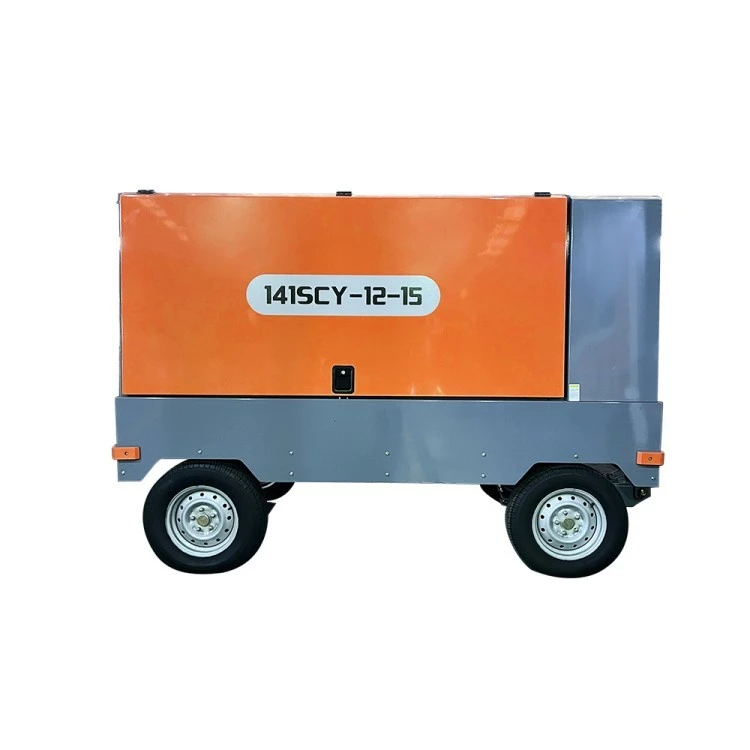
If you're looking for a portable and powerful screw air compressor, our Four Wheel 15 Bar Screw Air Compressor is the perfect choice. It features four wheels for easy mobility and a 15-bar pressure rating, making it suitable for a wide range of applications.
Contact Us for Purchase and Negotiation
If you're interested in purchasing a screw air compressor or have any questions about our products, please don't hesitate to contact us. Our team of experts is always ready to help you find the right compressor for your needs and provide you with the best possible service. We look forward to hearing from you and working with you to meet your compressed air requirements.
References
- "Bearing Selection and Application Engineering" by Barden Corporation
- "Mechanical Design Handbook" by Robert C. Juvinall and Kurt M. Marshek
- "Screw Compressor Technology" by Klaus Brun and Eckhard Kreider