In the mining, construction, and quarrying industries, the efficiency of handheld rock drills is of paramount importance. As a supplier of handheld rock drills, I understand the challenges faced by operators in achieving high - speed and high - quality drilling. In this blog, I will share some practical tips on how to improve the drilling efficiency of a handheld rock drill.
1. Select the Right Drill Bit
The drill bit is the most critical component of a handheld rock drill, as it directly interacts with the rock. Different types of rocks require different drill bits. For soft rocks such as limestone or sandstone, a carbide - tipped drill bit with a wide cutting edge can be used. These drill bits can quickly penetrate the soft rock, reducing the drilling time.
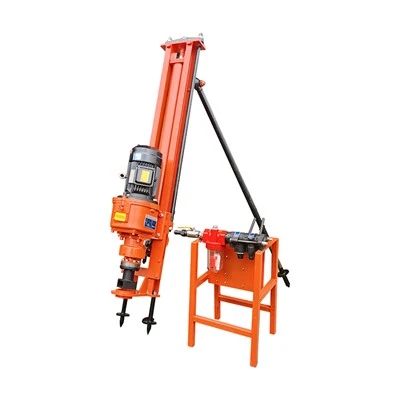
On the other hand, for hard rocks like granite or basalt, a diamond - impregnated drill bit is more suitable. Diamond is one of the hardest materials, which can effectively cut through the hard rock. When choosing a drill bit, it is also important to consider the diameter of the hole you need to drill. A larger diameter drill bit will require more power and time to drill, so make sure to select the appropriate size according to your project requirements. You can explore our mini pneumatic drill which comes with a variety of drill bit options to suit different rock types and hole diameters.


2. Optimize the Air Pressure
Most handheld rock drills are pneumatic, which means they rely on compressed air to operate. The air pressure plays a crucial role in the drilling efficiency. If the air pressure is too low, the drill may not have enough power to penetrate the rock effectively, resulting in slow drilling speed and poor hole quality. On the other hand, if the air pressure is too high, it may cause excessive wear on the drill bit and other components, increasing the maintenance cost.
To optimize the air pressure, you should refer to the manufacturer's specifications for your handheld rock drill. These specifications will provide you with the recommended air pressure range for different drilling operations. Use a pressure gauge to monitor the air pressure during the drilling process and adjust it as needed. Additionally, ensure that the air compressor is in good working condition and has sufficient capacity to supply the required air volume.
3. Proper Drilling Technique
Adopting the right drilling technique can significantly improve the efficiency of a handheld rock drill. First, make sure to position the drill perpendicular to the rock surface. An angled drill can cause the drill bit to wear unevenly and may lead to a crooked hole. Before starting the drilling, mark the drilling point accurately to ensure precision.
During the drilling process, apply a steady and consistent pressure on the drill. Avoid applying too much pressure at once, as this can cause the drill bit to break or get stuck in the rock. Instead, let the drill bit do the work gradually. Also, periodically retract the drill bit to clear the cuttings from the hole. Cuttings can accumulate in the hole and impede the progress of the drill, so it is essential to remove them regularly.
4. Regular Maintenance
Regular maintenance is essential for keeping your handheld rock drill in optimal working condition. A well - maintained drill will operate more efficiently and have a longer service life. Start by cleaning the drill after each use. Remove any dirt, dust, or rock cuttings from the exterior and interior components of the drill. Pay special attention to the air inlet and outlet ports to ensure that they are not blocked.
Inspect the drill bit regularly for signs of wear and damage. Replace the drill bit as soon as it shows significant wear, as a dull drill bit will reduce the drilling efficiency. Check the hoses and connections for leaks and replace any damaged parts. Lubricate the moving parts of the drill according to the manufacturer's recommendations to reduce friction and prevent premature wear.
5. Training the Operators
Even the best - quality handheld rock drill will not perform efficiently if the operator is not properly trained. Provide comprehensive training to your operators on how to use the drill correctly, including the selection of the right drill bit, adjustment of air pressure, and proper drilling techniques. Training should also cover safety procedures to prevent accidents.
Experienced operators can often identify potential problems early and take appropriate measures to address them. They can also make real - time adjustments during the drilling process to improve efficiency. Encourage your operators to share their experiences and insights with each other to continuously improve the overall drilling performance.
6. Consider the Rock Conditions
The characteristics of the rock, such as hardness, brittleness, and stratification, can have a significant impact on the drilling efficiency. Before starting the drilling, conduct a geological survey of the area to understand the rock conditions. If the rock has a high hardness, you may need to use a more powerful drill or a specialized drill bit.
In some cases, the rock may have natural fractures or joints. Drilling along these fractures can be more efficient as it requires less force to break the rock. However, be careful when drilling near fractures, as it may cause the rock to break unexpectedly. If the rock is stratified, adjust the drilling speed and pressure accordingly to ensure a smooth drilling process.
7. Upgrade to Advanced Models
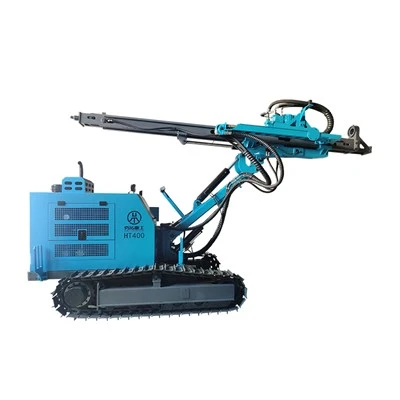
As technology advances, new and more efficient handheld rock drills are being developed. Consider upgrading your existing drills to advanced models that offer features such as higher power, better control, and improved ergonomics. Our small down the hole drilling equipment is designed with the latest technology to provide higher drilling efficiency and better performance.
Advanced models may also have built - in sensors and monitoring systems that can provide real - time data on the drilling process, such as air pressure, drilling speed, and bit wear. This information can help operators make more informed decisions and optimize the drilling operation.
8. Use the Right Accessories
Using the right accessories can enhance the performance of your handheld rock drill. For example, a dust collection system can help keep the work area clean and reduce the health risks associated with dust inhalation. It can also prevent dust from entering the drill and causing damage to the internal components.
Another useful accessory is a drill stand. A drill stand provides a stable base for the drill, which can improve the accuracy and efficiency of the drilling. It also reduces the physical strain on the operator, allowing them to focus on controlling the drill.
In conclusion, improving the drilling efficiency of a handheld rock drill requires a combination of proper equipment selection, correct operating techniques, regular maintenance, and operator training. By following the tips mentioned above, you can maximize the performance of your drill and achieve better results in your mining, construction, or quarrying projects.
If you are interested in improving the drilling efficiency of your operations and are looking for high - quality handheld rock drills, we invite you to explore our product range, including the Integrated Open - pit Down - the - hole Drill Rig. Our team of experts is ready to assist you in selecting the most suitable equipment for your specific needs. Contact us to start a discussion about your requirements and let's work together to improve your drilling efficiency.
References
- Smith, J. (2018). Handbook of Rock Drilling Technology. Mining Press.
- Johnson, A. (2019). Pneumatic Tools and Their Applications. Industrial Equipment Publishing.
- Brown, C. (2020). Drilling Techniques for Different Rock Types. Construction Engineering Journal.