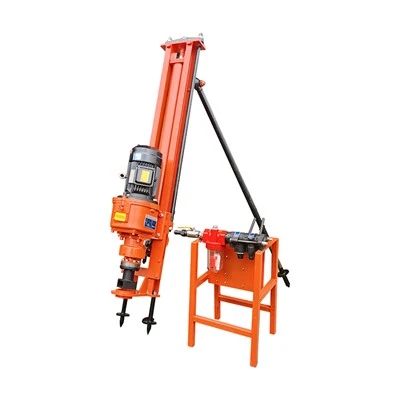
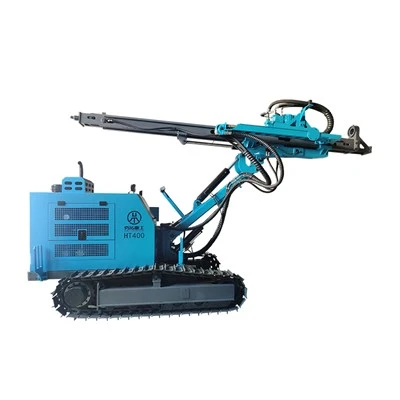
Hey there! As a supplier of DTH (Down-The-Hole) hammers, I've seen firsthand how crucial drilling fluid is in the drilling process. Today, I'm gonna break down how drilling fluid affects the drilling process of a DTH hammer.
What's Drilling Fluid and Why It Matters
First off, let's talk about what drilling fluid is. Drilling fluid, often called drilling mud, is a specially formulated liquid used in drilling operations. It's like the life - blood of the drilling process. The main functions of drilling fluid include cooling and lubricating the drill bit, carrying cuttings to the surface, and maintaining wellbore stability.
Cooling and Lubricating the DTH Hammer
One of the most important ways drilling fluid affects the DTH hammer is through cooling and lubrication. When a DTH hammer is working, it generates a ton of heat. The constant impact of the hammer on the rock and the friction between the drill bit and the rock surface can cause the temperature to skyrocket. If the temperature gets too high, it can damage the components of the DTH hammer, like the piston and the bit.
Drilling fluid acts as a coolant. It circulates around the DTH hammer, absorbing the heat and carrying it away. This helps to keep the temperature of the hammer within a safe range, ensuring its optimal performance and longevity. For example, in a deep - hole drilling project, without proper cooling from the drilling fluid, the DTH hammer might overheat after just a few hours of operation, leading to costly repairs or even replacement.
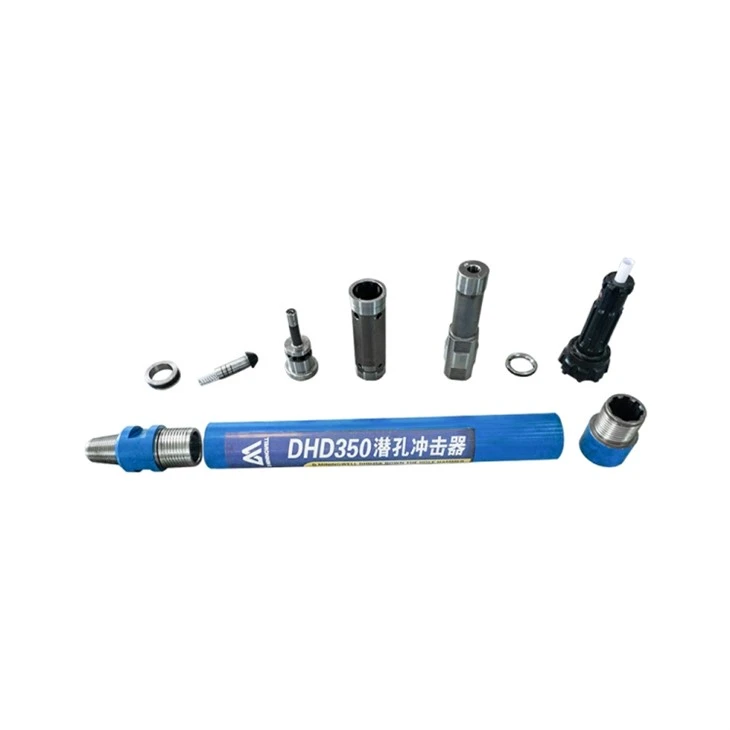
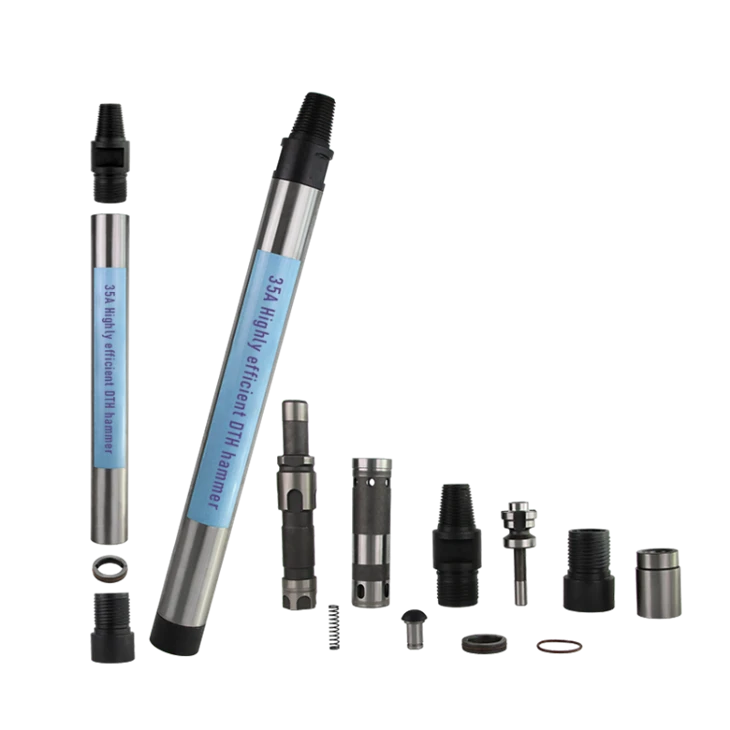
In addition to cooling, drilling fluid also provides lubrication. It reduces the friction between the moving parts of the DTH hammer, such as the piston inside the cylinder. Less friction means less wear and tear on the components, which in turn extends the service life of the DTH hammer. If you're using a Cluster DTH Drilling Hammer, proper lubrication from the drilling fluid is essential to keep all the hammers in the cluster working smoothly.
Carrying Cuttings to the Surface
Another key role of drilling fluid is to carry the cuttings generated during the drilling process to the surface. As the DTH hammer breaks the rock, small pieces of rock, known as cuttings, are produced. If these cuttings are not removed from the wellbore, they can accumulate around the drill bit and the DTH hammer, causing a number of problems.
Accumulated cuttings can increase the friction between the drill bit and the rock, making it harder for the DTH hammer to penetrate the rock. This can lead to a decrease in drilling efficiency and an increase in energy consumption. Moreover, if the cuttings are not removed in time, they can cause blockages in the wellbore, which may require costly and time - consuming operations to clear.
Drilling fluid, with its proper viscosity and density, can suspend the cuttings and carry them up the wellbore to the surface. Once at the surface, the cuttings can be separated from the drilling fluid, and the fluid can be recycled back into the wellbore. This continuous cycle ensures that the wellbore remains clear, allowing the DTH hammer to operate effectively.
Maintaining Wellbore Stability
Wellbore stability is crucial for the success of any drilling project. If the wellbore collapses during the drilling process, it can cause serious problems, such as the loss of the drill string and the need for expensive re - drilling operations.
Drilling fluid helps to maintain wellbore stability in several ways. First, it exerts hydrostatic pressure on the wellbore walls. This pressure counteracts the pressure of the surrounding rock formations, preventing the wellbore from collapsing. The density of the drilling fluid can be adjusted according to the specific geological conditions of the drilling site. For instance, in a formation with high - pressure rock, a denser drilling fluid may be required to provide sufficient hydrostatic pressure.
Second, drilling fluid can form a filter cake on the wellbore walls. This filter cake acts as a barrier, preventing the invasion of formation fluids into the wellbore and reducing the risk of wellbore instability. A well - formed filter cake also helps to seal any small fractures in the wellbore walls, further enhancing the stability of the wellbore.
Types of Drilling Fluid and Their Impact on DTH Hammers
There are different types of drilling fluid, each with its own characteristics and suitability for different drilling conditions.
Water - based drilling fluid: This is the most commonly used type of drilling fluid. It's relatively inexpensive and environmentally friendly. Water - based drilling fluid is good at cooling and carrying cuttings. However, it may not be as effective in providing lubrication as some other types of drilling fluid. In some hard - rock drilling applications, where high - level lubrication is required, additional additives may need to be added to the water - based drilling fluid.
Oil - based drilling fluid: Oil - based drilling fluid offers excellent lubrication properties. It can significantly reduce the friction between the DTH hammer components and the wellbore walls. It also has good thermal stability, which is beneficial for high - temperature drilling operations. However, oil - based drilling fluid is more expensive than water - based drilling fluid and may have environmental concerns.
Synthetic - based drilling fluid: Synthetic - based drilling fluid combines the advantages of water - based and oil - based drilling fluids. It has good lubrication, cooling, and cuttings - carrying capabilities. It's also more environmentally friendly than oil - based drilling fluid. However, it can be more expensive than water - based drilling fluid.
Impact of Drilling Fluid Properties on DTH Hammer Performance
The properties of drilling fluid, such as viscosity, density, and pH value, have a significant impact on the performance of DTH hammers.
Viscosity: Viscosity refers to the resistance of the drilling fluid to flow. A drilling fluid with the right viscosity is crucial for carrying cuttings to the surface. If the viscosity is too low, the cuttings may not be effectively suspended in the fluid and may settle at the bottom of the wellbore. On the other hand, if the viscosity is too high, it can increase the pumping pressure required to circulate the drilling fluid, which can put additional stress on the DTH hammer and the drilling equipment.
Density: As mentioned earlier, the density of the drilling fluid affects the hydrostatic pressure exerted on the wellbore walls. A higher - density drilling fluid can provide more support to the wellbore, but it also requires more energy to pump. The density of the drilling fluid needs to be carefully adjusted based on the geological conditions of the drilling site.
pH value: The pH value of the drilling fluid can affect the corrosion of the DTH hammer components. A drilling fluid with an inappropriate pH value can cause corrosion of the metal parts of the DTH hammer, reducing its service life. It's important to maintain the pH value of the drilling fluid within a suitable range to prevent corrosion.
Conclusion
In conclusion, drilling fluid plays a vital role in the drilling process of a DTH hammer. It cools and lubricates the DTH hammer, carries cuttings to the surface, and maintains wellbore stability. The type and properties of the drilling fluid need to be carefully selected and adjusted according to the specific drilling conditions to ensure the optimal performance of the DTH hammer.
If you're in the market for a high - quality DTH hammer, whether it's a high air pressure dth hammer or a High Pressure DTH Hammer, we've got you covered. Our DTH hammers are designed to work efficiently with different types of drilling fluid, providing you with a reliable and cost - effective drilling solution. If you have any questions or are interested in discussing your drilling needs, feel free to reach out for a procurement negotiation.
References
- Smith, J. (2018). Drilling Fluid Technology: Principles and Practice. Elsevier.
- Brown, A. (2020). Down - The - Hole Hammer Drilling: A Comprehensive Guide. Wiley.