When it comes to down the hole drilling, selecting the right hammer is crucial for achieving optimal performance, efficiency, and cost - effectiveness. As a down the hole drilling supplier, I understand the challenges and considerations that go into this important decision. In this blog post, I'll share some key factors to help you choose the right hammer for your down the hole drilling needs.
Understanding Down the Hole Drilling
Down the hole (DTH) drilling is a popular method used in various industries, including mining, construction, and geothermal energy. It involves a drill bit attached to a hammer that is located at the bottom of the drill string. The hammer uses compressed air or hydraulic power to strike the drill bit, breaking the rock and allowing the drill to penetrate deeper.
Factors to Consider When Choosing a DTH Hammer
1. Rock Type
The type of rock you'll be drilling through is one of the most important factors in choosing a DTH hammer. Different rocks have different hardness, abrasiveness, and brittleness, which require specific hammer designs and features.


- Soft Rocks: For soft rocks such as limestone, sandstone, and shale, a lighter - weight hammer with a lower impact energy may be sufficient. These hammers are often more efficient and can drill faster in softer formations.
- Hard Rocks: When drilling through hard rocks like granite, basalt, and quartzite, a heavier - duty hammer with a higher impact energy is necessary. These hammers can deliver the force needed to break through the tough rock layers.
- Abrasive Rocks: In abrasive rocks, hammers with wear - resistant materials and coatings are preferred. Tungsten carbide buttons on the drill bit and the hammer body can help reduce wear and extend the tool's lifespan.
2. Hole Diameter
The diameter of the hole you need to drill also plays a significant role in hammer selection. DTH hammers come in a variety of sizes, and each size is designed to work optimally within a specific hole diameter range.
- Small Hole Diameters: For holes with diameters less than 3 inches, smaller hammers are typically used. These hammers are more compact and can provide precise drilling in tight spaces.
- Large Hole Diameters: When drilling holes larger than 6 inches, larger hammers with higher air consumption and impact energy are required. These hammers can handle the increased resistance and deliver the power needed to drill large - diameter holes efficiently.
3. Air or Hydraulic Power
DTH hammers can be powered by either compressed air or hydraulic systems. The choice between air and hydraulic power depends on several factors, including the availability of power sources, drilling depth, and environmental conditions.
- Compressed Air: Compressed air - powered hammers are the most common type in DTH drilling. They are relatively simple, reliable, and cost - effective. Air - powered hammers are suitable for most drilling applications, especially in shallow to medium - depth holes.
- Hydraulic Power: Hydraulic hammers offer higher impact energy and better performance in deep - hole drilling. They are also more efficient in terms of power consumption and can provide smoother operation. However, hydraulic systems are more complex and require additional equipment, such as a hydraulic power unit.
4. Drilling Depth
The depth of the hole you need to drill is another important consideration. Deeper holes require hammers that can maintain their performance under high pressure and extended drilling times.
- Shallow Holes: For shallow holes (less than 100 feet), standard DTH hammers can usually meet the requirements. These hammers are designed for quick and efficient drilling in relatively short depths.
- Deep Holes: When drilling deep holes (over 500 feet), specialized hammers with features such as anti - recoil valves and high - pressure seals are needed. These hammers can withstand the increased pressure and ensure consistent performance throughout the drilling process.
5. Drilling Rig Compatibility
It's essential to ensure that the DTH hammer you choose is compatible with your drilling rig. Different rigs have different specifications, such as air or hydraulic flow rates, pressure ratings, and rotational speeds.
- Air Flow and Pressure: The hammer's air consumption and pressure requirements must match the capabilities of the drilling rig's air compressor. If the air flow or pressure is insufficient, the hammer may not operate properly, resulting in reduced drilling efficiency.
- Rotational Speed: The rotational speed of the drill rig should also be compatible with the hammer's design. Some hammers are designed to work at specific rotational speeds, and using the wrong speed can lead to premature wear and reduced performance.
Our Product Recommendations
As a down the hole drilling supplier, we offer a wide range of high - quality DTH hammers and related equipment to meet your specific needs. Here are some of our recommended products:
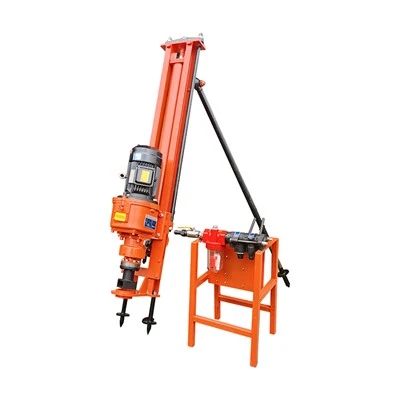
- Multi - Functional Rock Drilling Rig: This rig is suitable for various drilling applications, including DTH drilling. It offers high performance, reliability, and flexibility, making it a great choice for both small - scale and large - scale projects.
- DTH Drilling Machine: Our DTH drilling machine is designed for efficient and precise drilling in mining and construction applications. It features advanced technology and high - quality components, ensuring long - term durability and excellent performance.
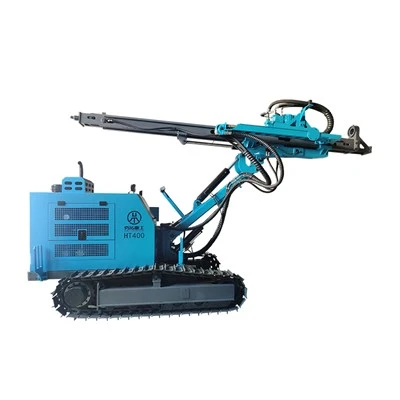
- DTH Open Pit Drill Rig: This rig is specifically designed for open - pit mining operations. It offers high productivity, low operating costs, and easy maintenance, making it an ideal solution for large - scale open - pit drilling projects.
Conclusion
Choosing the right hammer for down the hole drilling is a complex decision that requires careful consideration of several factors, including rock type, hole diameter, power source, drilling depth, and rig compatibility. By understanding these factors and working with a reliable down the hole drilling supplier, you can select the hammer that best suits your specific needs and ensure optimal drilling performance.
If you're interested in learning more about our DTH hammers and drilling equipment or have any questions about down the hole drilling, please don't hesitate to contact us for a detailed consultation and procurement discussion. We're here to help you make the right choice and achieve your drilling goals.
References
- "Drilling Engineering Handbook" by John H. Adams
- "Rock Drilling Technology" by Torleif Ericsson
- Industry reports and research papers on down the hole drilling technology