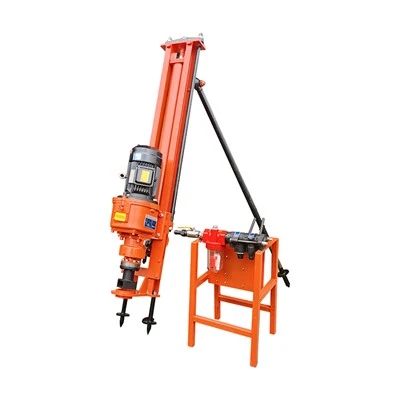
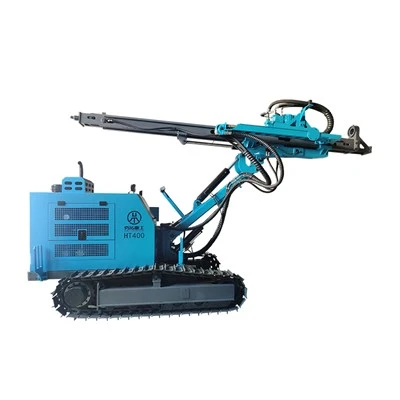
Calibrating the sensors in a borewell machine tractor is a crucial process that ensures the accurate and efficient operation of the equipment. As a supplier of borewell machine tractors, I understand the significance of proper sensor calibration in maintaining the performance and reliability of these machines. In this blog post, I will share some insights and steps on how to calibrate the sensors in a borewell machine tractor.
Understanding the Importance of Sensor Calibration
Sensors in a borewell machine tractor play a vital role in monitoring various parameters such as pressure, temperature, depth, and flow rate. These sensors provide real-time data that helps operators make informed decisions and ensure the safe and efficient operation of the machine. However, over time, sensors can drift from their original calibration, leading to inaccurate readings and potential operational issues.
Calibrating the sensors regularly helps maintain their accuracy and reliability. It ensures that the data provided by the sensors is consistent and trustworthy, allowing operators to detect and address any potential problems before they escalate. Additionally, proper sensor calibration can improve the overall performance of the borewell machine tractor, leading to increased productivity and reduced downtime.
Types of Sensors in a Borewell Machine Tractor
Before diving into the calibration process, it's essential to understand the different types of sensors commonly found in a borewell machine tractor. Some of the most common sensors include:
- Pressure Sensors: These sensors measure the pressure of the hydraulic fluid or water in the system. They are crucial for monitoring the performance of the drilling equipment and ensuring that the pressure remains within the safe operating range.
- Temperature Sensors: Temperature sensors are used to monitor the temperature of the hydraulic fluid, engine, and other critical components. They help prevent overheating and ensure that the machine operates within the optimal temperature range.
- Depth Sensors: Depth sensors are used to measure the depth of the borehole. They provide accurate information about the drilling progress and help operators determine when to stop drilling or adjust the drilling parameters.
- Flow Sensors: Flow sensors measure the flow rate of the water or drilling fluid. They are essential for maintaining the proper circulation of the fluid and ensuring that the drilling process is efficient.
Steps to Calibrate the Sensors in a Borewell Machine Tractor
The calibration process for sensors in a borewell machine tractor may vary depending on the type of sensor and the manufacturer's specifications. However, the following general steps can be followed:
Step 1: Gather the Necessary Tools and Equipment
Before starting the calibration process, make sure you have all the necessary tools and equipment. This may include a calibration kit, a multimeter, a pressure gauge, a temperature probe, and other specialized tools recommended by the sensor manufacturer.
Step 2: Refer to the Manufacturer's Manual
The manufacturer's manual is the most reliable source of information for calibrating the sensors in your borewell machine tractor. It provides detailed instructions on the calibration process, including the recommended calibration intervals, the calibration procedure, and the acceptable tolerance levels. Make sure to read the manual carefully and follow the instructions step by step.
Step 3: Prepare the Sensor for Calibration
Before calibrating the sensor, it's important to prepare it properly. This may involve cleaning the sensor, checking for any damage or wear, and ensuring that it is properly installed and connected. Make sure to follow the manufacturer's instructions for preparing the sensor for calibration.
Step 4: Perform the Calibration
Once the sensor is prepared, you can start the calibration process. The calibration procedure may vary depending on the type of sensor. Here are some general guidelines for calibrating different types of sensors:
- Pressure Sensors: To calibrate a pressure sensor, you will need to use a pressure gauge to measure the actual pressure and compare it with the reading on the sensor. If there is a difference between the two readings, you can adjust the sensor using the calibration screws or software provided by the manufacturer.
- Temperature Sensors: To calibrate a temperature sensor, you will need to use a temperature probe to measure the actual temperature and compare it with the reading on the sensor. If there is a difference between the two readings, you can adjust the sensor using the calibration screws or software provided by the manufacturer.
- Depth Sensors: To calibrate a depth sensor, you will need to use a measuring tape or other measuring device to measure the actual depth of the borehole and compare it with the reading on the sensor. If there is a difference between the two readings, you can adjust the sensor using the calibration screws or software provided by the manufacturer.
- Flow Sensors: To calibrate a flow sensor, you will need to use a flow meter to measure the actual flow rate and compare it with the reading on the sensor. If there is a difference between the two readings, you can adjust the sensor using the calibration screws or software provided by the manufacturer.
Step 5: Verify the Calibration
After performing the calibration, it's important to verify that the sensor is calibrated correctly. You can do this by repeating the calibration process and comparing the results. If the readings are consistent and within the acceptable tolerance levels, the sensor is calibrated correctly. If not, you may need to repeat the calibration process or seek the assistance of a professional technician.

Step 6: Document the Calibration
Once the sensor is calibrated and verified, it's important to document the calibration process. This includes recording the date of calibration, the calibration results, and any adjustments made to the sensor. Keeping a detailed record of the calibration process can help you track the performance of the sensors over time and ensure that they are calibrated regularly.
Tips for Maintaining Sensor Calibration
In addition to regular calibration, there are several tips you can follow to maintain the accuracy and reliability of the sensors in your borewell machine tractor:
- Keep the Sensors Clean: Dirt, dust, and debris can accumulate on the sensors over time, affecting their performance. Make sure to clean the sensors regularly using a soft cloth or brush.
- Protect the Sensors from Damage: Sensors are delicate components that can be easily damaged if they are not handled properly. Make sure to protect the sensors from physical damage, such as impacts or vibrations.
- Store the Sensors Properly: When the borewell machine tractor is not in use, make sure to store the sensors in a dry, clean, and protected environment. This can help prevent corrosion and other damage to the sensors.
- Follow the Manufacturer's Recommendations: The manufacturer's recommendations are the best source of information for maintaining the sensors in your borewell machine tractor. Make sure to follow the recommended maintenance schedule and procedures to ensure the optimal performance of the sensors.
Conclusion
Calibrating the sensors in a borewell machine tractor is a critical process that ensures the accurate and efficient operation of the equipment. By following the steps outlined in this blog post and maintaining the sensors properly, you can improve the performance and reliability of your borewell machine tractor, leading to increased productivity and reduced downtime.
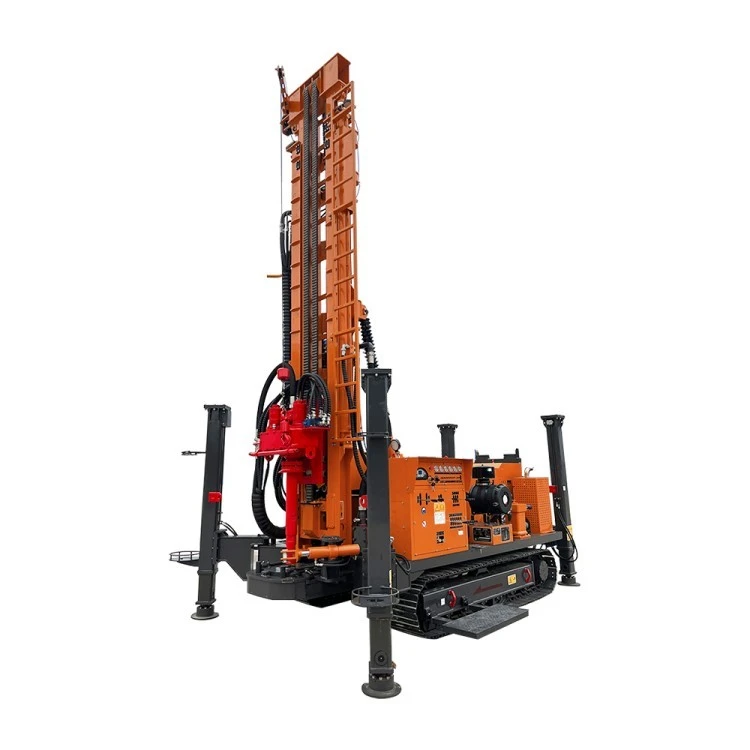
If you are in the market for a borewell machine tractor or need assistance with sensor calibration, please feel free to contact us. We are a leading supplier of truck mounted water well drilling rig, Small Tricycle Vehicle-mounted Water Well drilling Rig, and Deep water well drilling machine, and we are committed to providing our customers with high-quality products and excellent customer service.
References
- Manufacturer's Manual for Borewell Machine Tractor
- Sensor Calibration Guidelines provided by the Sensor Manufacturer
- Industry Standards and Best Practices for Sensor Calibration