Hey there! As a supplier of screw air compressors, I've seen firsthand how crucial it is to keep these machines running at their best. One of the most important aspects of maintaining a screw air compressor is adjusting its pressure correctly. In this blog post, I'll share some tips on how to do just that.
Understanding the Basics of Screw Air Compressor Pressure
Before we dive into the adjustment process, let's quickly go over the basics of screw air compressor pressure. Pressure in a screw air compressor is measured in pounds per square inch (PSI). The ideal pressure for your compressor depends on its intended use. For example, if you're using the compressor for light-duty tasks like inflating tires or powering small tools, you'll need a lower pressure setting. On the other hand, if you're using it for heavy-duty applications like sandblasting or powering large pneumatic tools, you'll need a higher pressure setting.
Why Adjusting Pressure is Important
Proper pressure adjustment is essential for several reasons. First, it ensures that your compressor operates efficiently. When the pressure is set too high, the compressor has to work harder, which can lead to increased energy consumption and wear and tear on the machine. Conversely, if the pressure is set too low, the compressor may not be able to provide enough power for your tools or equipment to function properly.
Second, adjusting the pressure correctly helps to extend the lifespan of your compressor. By operating at the optimal pressure, you can reduce the stress on the compressor's components, which can prevent premature failure and costly repairs.
Finally, proper pressure adjustment is important for safety. If the pressure in your compressor is too high, it can pose a risk of explosion or other serious accidents. By keeping the pressure within the recommended range, you can ensure the safety of yourself and those around you.
Tools You'll Need
Before you start adjusting the pressure of your screw air compressor, you'll need a few tools. Here's what you'll need:
- Pressure gauge: This is used to measure the pressure in the compressor. Make sure you have a reliable pressure gauge that is accurate and easy to read.
- Screwdriver or Allen wrench: Depending on the type of compressor you have, you may need a screwdriver or Allen wrench to adjust the pressure settings.
- Safety glasses and gloves: It's important to wear safety glasses and gloves to protect yourself from any potential hazards.
Step-by-Step Guide to Adjusting the Pressure
Now that you have the necessary tools, let's walk through the steps to adjust the pressure of your screw air compressor.
Step 1: Turn off the Compressor
Before you start making any adjustments, make sure the compressor is turned off and unplugged. This will prevent any accidents or injuries while you're working on the machine.
Step 2: Locate the Pressure Adjustment Valve
The pressure adjustment valve is usually located on the compressor's control panel or near the pressure gauge. It may be labeled as "pressure adjustment" or something similar. Refer to your compressor's user manual if you're having trouble finding it.
Step 3: Check the Current Pressure
Use the pressure gauge to check the current pressure in the compressor. This will give you a baseline to work from and help you determine how much adjustment is needed.

Step 4: Make the Adjustment
Using the screwdriver or Allen wrench, turn the pressure adjustment valve clockwise to increase the pressure or counterclockwise to decrease the pressure. Make small adjustments at a time and check the pressure gauge after each adjustment to ensure you're getting the desired pressure.
Step 5: Test the Compressor
Once you've made the adjustment, turn on the compressor and let it run for a few minutes. Check the pressure gauge again to make sure the pressure is stable and within the recommended range. If necessary, make further adjustments until you achieve the desired pressure.
Step 6: Monitor the Pressure
After you've adjusted the pressure, it's important to monitor it regularly to make sure it stays within the recommended range. Check the pressure gauge before each use and make any necessary adjustments if you notice any changes in the pressure.
Common Pressure Adjustment Issues and Solutions
Sometimes, you may encounter issues when adjusting the pressure of your screw air compressor. Here are some common issues and their solutions:
Issue 1: The Pressure Won't Increase
If you're having trouble increasing the pressure, there could be a few reasons for this. First, check to make sure the compressor is turned on and running properly. If it is, check the air intake filter to make sure it's clean and not clogged. A clogged filter can restrict the airflow and prevent the compressor from building up pressure.
If the filter is clean and the compressor is running, the problem may be with the pressure adjustment valve. Try adjusting the valve again and make sure you're turning it in the correct direction. If the problem persists, you may need to call a professional technician to diagnose and repair the issue.
Issue 2: The Pressure Won't Decrease
If you're having trouble decreasing the pressure, the first thing to check is the pressure relief valve. This valve is designed to open and release pressure if it gets too high. Make sure the valve is working properly and not stuck in the closed position.
If the pressure relief valve is working, the problem may be with the pressure adjustment valve. Try adjusting the valve again and make sure you're turning it in the correct direction. If the problem persists, you may need to call a professional technician to diagnose and repair the issue.
Issue 3: The Pressure is Unstable
If the pressure is fluctuating or unstable, there could be a few reasons for this. First, check the air intake filter to make sure it's clean and not clogged. A clogged filter can cause the compressor to work harder and lead to unstable pressure.
If the filter is clean, the problem may be with the compressor's pressure switch. This switch is responsible for turning the compressor on and off when the pressure reaches a certain level. Make sure the switch is working properly and not malfunctioning.
If you're still having trouble with the pressure, you may need to call a professional technician to diagnose and repair the issue.
Our Screw Air Compressor Products
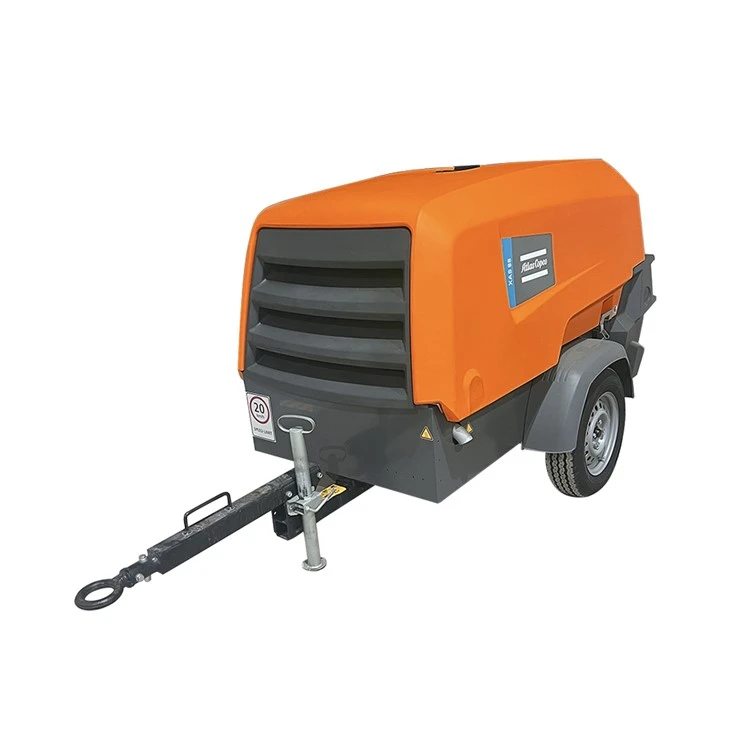
At our company, we offer a wide range of screw air compressors to meet your needs. Whether you're looking for a Portable Screw Air Compressor for on-the-go use, a mini screw Air Compressor for small-scale applications, or an Electric screw air compressor for indoor use, we have you covered.
Our screw air compressors are built to last and are designed to provide reliable performance in even the most demanding environments. They are easy to operate and maintain, and they come with a range of features and options to suit your specific needs.
Contact Us for Purchase and Consultation
If you're interested in purchasing a screw air compressor or have any questions about pressure adjustment or other aspects of compressor operation, please don't hesitate to contact us. Our team of experts is here to help you find the right compressor for your needs and provide you with the support and guidance you need to keep it running smoothly.
We look forward to hearing from you and helping you take your compressed air system to the next level!
References
- Compressed Air and Gas Institute (CAGI). (n.d.). Screw Air Compressors. Retrieved from [Website URL]
- Gardner Denver. (n.d.). How to Adjust the Pressure on a Screw Air Compressor. Retrieved from [Website URL]
- Quincy Compressor. (n.d.). Screw Air Compressor Maintenance Guide. Retrieved from [Website URL]