Hey there! I'm a supplier of hand held rock drills, and I often get asked about how to adjust the impact force of these nifty tools. So, I thought I'd share some tips and insights based on my experience in the industry.
First off, why would you even want to adjust the impact force of a hand held rock drill? Well, different drilling tasks require different levels of force. For instance, if you're working on a soft rock surface, you might not need a high impact force. Using too much force can not only damage the rock but also wear out your drill bit faster. On the other hand, when dealing with hard rocks, a higher impact force is necessary to get the job done efficiently.
Understanding the Basics of Impact Force
Before we dive into the adjustment process, let's quickly understand what impact force is. In simple terms, it's the amount of energy the drill delivers to the rock surface with each blow. This force is what breaks the rock and allows the drill bit to penetrate.
The impact force of a hand held rock drill is mainly determined by two factors: the air pressure (if it's a pneumatic drill) or the power output (if it's an electric drill), and the design of the drill's internal mechanism.
Adjusting the Impact Force of a Pneumatic Hand Held Rock Drill
Most hand held rock drills in the market are pneumatic, which means they're powered by compressed air. Adjusting the impact force of a pneumatic drill is relatively straightforward and mainly involves controlling the air pressure.
- Check the Air Supply: The first step is to make sure your air compressor is working properly and delivering the right amount of air pressure. Most hand held rock drills have an optimal air pressure range specified by the manufacturer. You can usually find this information in the user manual. For example, a common range might be between 60 - 90 psi (pounds per square inch).
- Use a Pressure Regulator: To adjust the air pressure, you'll need a pressure regulator. This device allows you to control the amount of air flowing into the drill. Simply turn the regulator knob clockwise to increase the pressure and counter - clockwise to decrease it. Start with a lower pressure setting and gradually increase it until you find the right impact force for your drilling task.
- Test the Drill: After adjusting the pressure, it's a good idea to test the drill on a small, inconspicuous area of the rock. This will give you a feel for the impact force and whether it's appropriate for the job. If the drill is not penetrating the rock effectively, you might need to increase the pressure slightly. If it's causing too much damage or is too difficult to control, lower the pressure.
Adjusting the Impact Force of an Electric Hand Held Rock Drill
Electric hand held rock drills are less common but are still a great option for some applications. Adjusting the impact force of an electric drill is a bit different.
- Check the Power Settings: Most electric rock drills come with multiple power settings. These settings allow you to adjust the power output of the drill, which in turn affects the impact force. Look for a power switch or a dial on the drill that lets you select different levels of power.
- Choose the Right Setting: Similar to the pneumatic drill, start with a lower power setting and test the drill on a small area of the rock. If the drill is struggling to penetrate, increase the power setting. Be careful not to use too much power, as this can overheat the drill motor and cause damage.
Other Factors to Consider
Adjusting the impact force isn't just about changing the air pressure or power settings. There are a few other factors that can affect the performance of your hand held rock drill.


- Drill Bit Selection: The type and condition of the drill bit can have a big impact on the effectiveness of the impact force. Make sure you're using the right drill bit for the type of rock you're working on. For example, a carbide - tipped drill bit is better suited for hard rocks, while a steel bit might work well for softer rocks. Also, regularly check the drill bit for wear and tear and replace it when necessary.
- Drilling Technique: Your drilling technique also plays a role in how the impact force is applied. Hold the drill firmly and keep it perpendicular to the rock surface. Applying too much downward pressure can actually reduce the effectiveness of the impact force, while not applying enough pressure can cause the drill bit to slip.
Related Products
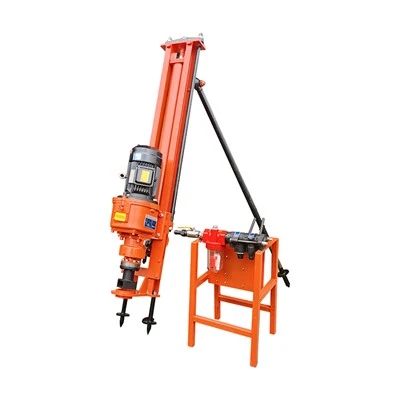
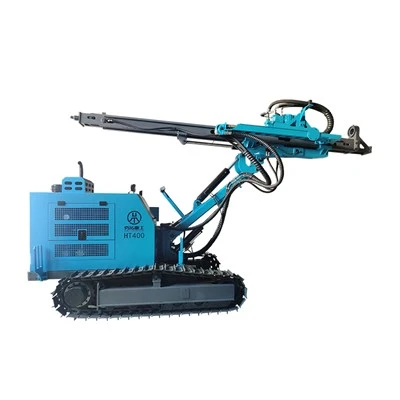
If you're in the market for a hand held rock drill or other drilling equipment, we've got some great options. Check out our small down the hole drilling machines, which are perfect for smaller - scale drilling tasks. Our Hand Held Rock Drill is a reliable and powerful tool that can be adjusted to suit your needs. And for larger projects, our Integrated Open - pit Down - the - hole Drill Rig offers high - performance drilling capabilities.
Conclusion
Adjusting the impact force of a hand held rock drill is an important skill that can make your drilling tasks more efficient and effective. Whether you're using a pneumatic or an electric drill, following the steps outlined above will help you find the right impact force for your specific needs.
If you're interested in purchasing a hand held rock drill or have any questions about adjusting the impact force, don't hesitate to get in touch. We're here to help you make the most of your drilling equipment.
References
- Manufacturer's user manuals for hand held rock drills
- Industry - standard guidelines for rock drilling equipment operation