Preventing rusting of a DTH (Down-The-Hole) hammer during storage is crucial for maintaining its performance and longevity. As a DTH hammer supplier, I understand the significance of proper storage practices to ensure that these powerful tools remain in optimal condition. In this blog post, I will share some effective strategies to prevent rusting and keep your DTH hammers in top shape.
Understanding the Causes of Rusting
Rust is a common problem that occurs when iron or steel comes into contact with oxygen and moisture. In the case of DTH hammers, exposure to humidity, water, and even condensation can lead to the formation of rust. The harsh working environments in which DTH hammers are often used, combined with improper storage conditions, can accelerate the rusting process.
Cleaning the DTH Hammer Before Storage
Before storing a DTH hammer, it is essential to clean it thoroughly to remove any dirt, debris, and contaminants. Use a high-pressure air compressor or a brush to clean the exterior of the hammer, paying special attention to the threads, ports, and other areas where dirt can accumulate. If the hammer has been used in a wet or muddy environment, it may be necessary to soak it in a cleaning solution to remove stubborn dirt.
After cleaning, dry the hammer completely using a clean cloth or compressed air. Make sure to remove all moisture from the hammer, including any water that may have collected inside the tool. Moisture is the primary cause of rust, so ensuring that the hammer is dry is crucial for preventing corrosion.
Applying a Protective Coating
Once the DTH hammer is clean and dry, applying a protective coating can help prevent rusting. There are several types of protective coatings available, including oil-based, wax-based, and rust inhibitors. Oil-based coatings are a popular choice because they provide a barrier between the metal surface and the environment, preventing oxygen and moisture from coming into contact with the hammer.
To apply an oil-based coating, use a clean cloth or a spray gun to evenly coat the entire surface of the hammer. Make sure to cover all areas, including the threads, ports, and moving parts. Allow the coating to dry completely before storing the hammer. Wax-based coatings can also be effective in preventing rust, but they may require more frequent reapplication.
Rust inhibitors are another option for protecting DTH hammers from corrosion. These products work by chemically reacting with the metal surface to form a protective layer that inhibits the formation of rust. Rust inhibitors are available in liquid or spray form and can be applied directly to the hammer. Follow the manufacturer's instructions for application and reapplication.
Storing the DTH Hammer in a Dry Environment
The storage environment plays a significant role in preventing rusting of DTH hammers. Ideally, the hammer should be stored in a dry, climate-controlled area with low humidity. Avoid storing the hammer in areas that are prone to moisture, such as basements, garages, or outdoor sheds.
If possible, store the DTH hammer in a sealed container or a storage cabinet to protect it from dust, dirt, and moisture. You can also use desiccant packs to absorb any moisture that may be present in the storage container. Desiccant packs are available at most hardware stores and can be placed inside the container with the hammer.
Regular Inspection and Maintenance
Even with proper storage and protective coatings, it is important to regularly inspect the DTH hammer for signs of rust or corrosion. Check the hammer for any discoloration, pitting, or flaking of the metal surface. If you notice any signs of rust, take immediate action to remove it and prevent further corrosion.
To remove rust from a DTH hammer, you can use a wire brush, sandpaper, or a rust remover. Gently scrub the affected area to remove the rust, being careful not to damage the metal surface. After removing the rust, clean the hammer again and apply a fresh protective coating.
In addition to regular inspections, it is also important to perform routine maintenance on the DTH hammer. This includes lubricating the moving parts, checking the threads for tightness, and inspecting the seals and gaskets for wear. Proper maintenance will help ensure that the hammer operates smoothly and efficiently and will extend its lifespan.
Choosing the Right DTH Hammer for Your Application
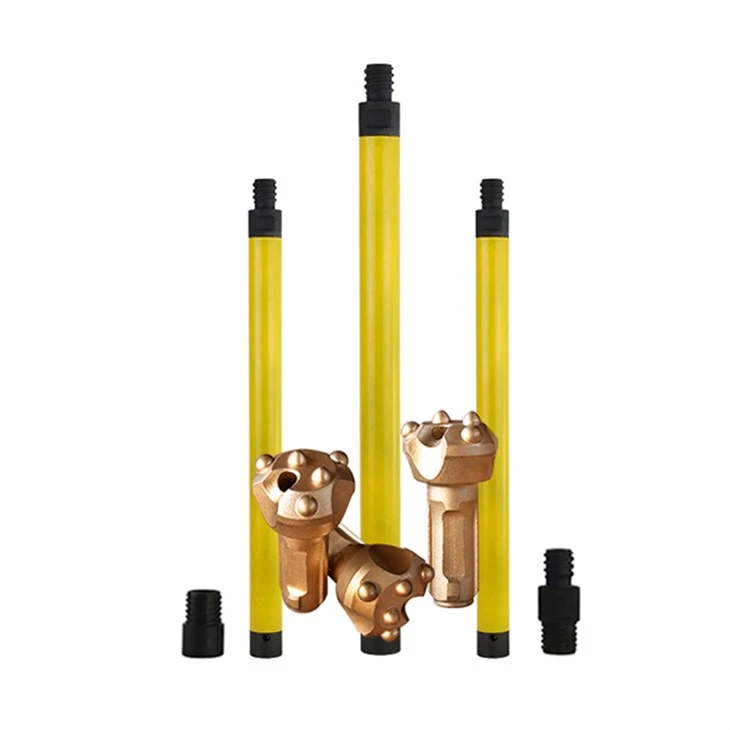
When selecting a DTH hammer, it is important to choose a model that is suitable for your specific application. Different types of DTH hammers are designed for different working conditions and rock formations. For example, High Pressure DTH Hammer are typically used for hard rock drilling, while Low Pressure Down-the-hole Hammer are better suited for softer rock formations.
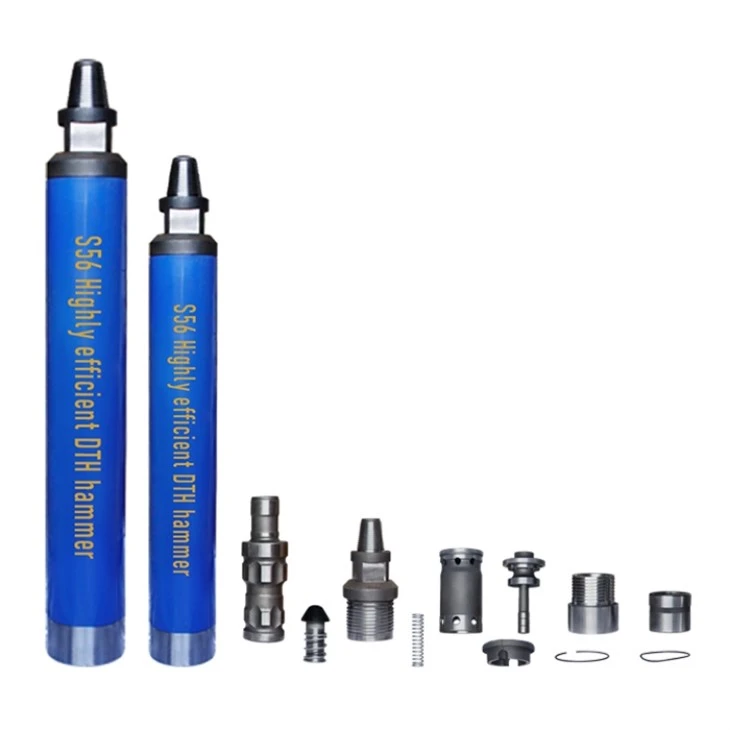
Using the right DTH hammer for your application will not only improve performance but also reduce the risk of damage and corrosion. Make sure to consult with a professional or the manufacturer to determine the best hammer for your needs.
Conclusion
Preventing rusting of a DTH hammer during storage is essential for maintaining its performance and longevity. By following these tips, you can ensure that your DTH hammers remain in optimal condition and are ready for use when you need them. Remember to clean the hammer thoroughly before storage, apply a protective coating, store it in a dry environment, and perform regular inspections and maintenance.
If you are in the market for a DTH hammer or need more information on preventing rusting and maintaining these tools, please feel free to contact us. We are a leading supplier of high-quality DTH hammers and can provide you with the products and expertise you need to get the job done right.
References
- "Corrosion Prevention and Control for Industrial Equipment." National Association of Corrosion Engineers (NACE).
- "DTH Hammer Maintenance and Troubleshooting Guide." Manufacturer's Manual.
- "Best Practices for Storing and Maintaining Construction Equipment." Construction Equipment Magazine.