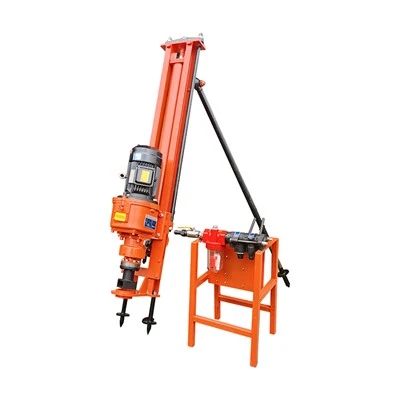
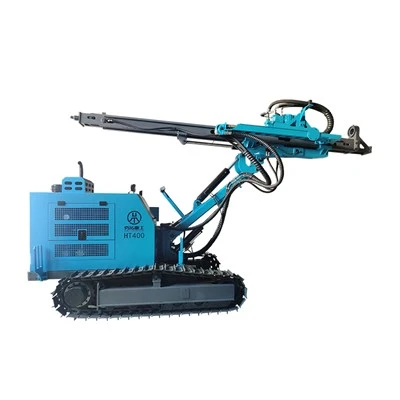
As a core drilling rig supplier, one of the most frequently asked questions I receive from customers is, "How often should I service my core drilling rig?" This is a crucial question that can significantly impact the performance, longevity, and safety of your equipment. In this blog post, I'll delve into the factors that determine the service intervals for core drilling rigs and provide some general guidelines to help you keep your rig in top condition.
Understanding the Importance of Regular Maintenance
Before we discuss the service intervals, it's essential to understand why regular maintenance is so important for core drilling rigs. Core drilling rigs are complex machines that operate under harsh conditions, including high pressures, vibrations, and abrasive materials. Over time, these factors can cause wear and tear on the components, leading to reduced performance, increased downtime, and even safety hazards.
Regular maintenance helps to prevent these issues by identifying and addressing potential problems before they become major failures. By lubricating moving parts, replacing worn components, and checking fluid levels, you can extend the lifespan of your rig, improve its efficiency, and ensure the safety of your operators.
Factors Affecting Service Intervals
The frequency of servicing your core drilling rig depends on several factors, including:
- Usage Intensity: The more frequently you use your rig, the more often it will need to be serviced. If you're using your rig for continuous, heavy-duty operations, you may need to service it more frequently than if it's used for occasional, light-duty work.
- Operating Conditions: The environment in which your rig operates can also affect its service intervals. If you're working in dusty, dirty, or corrosive conditions, your rig may require more frequent maintenance to prevent damage to the components.
- Manufacturer's Recommendations: The manufacturer of your core drilling rig will provide specific service intervals and maintenance guidelines in the owner's manual. It's important to follow these recommendations to ensure that your rig is properly maintained and to avoid voiding the warranty.
- Age and Condition of the Rig: Older rigs may require more frequent servicing than newer ones, as the components may be more worn and prone to failure. Additionally, if your rig has been subjected to heavy use or has experienced previous problems, it may need to be serviced more often.
General Service Intervals
Based on the factors mentioned above, here are some general service intervals for core drilling rigs:
- Daily Maintenance:
- Check the fluid levels, including hydraulic oil, engine oil, coolant, and fuel.
- Inspect the hoses, fittings, and connections for leaks.
- Clean the rig to remove dirt, dust, and debris.
- Check the condition of the drill bits and replace them if necessary.
- Weekly Maintenance:
- Lubricate all moving parts, including the drill string, swivel, and feed system.
- Check the tension of the belts and chains.
- Inspect the brakes and ensure they are functioning properly.
- Check the electrical system for loose connections or damaged wires.
- Monthly Maintenance:
- Change the hydraulic oil and filter.
- Replace the engine oil and filter.
- Check the air filter and clean or replace it if necessary.
- Inspect the drill rods for wear and damage.
- Quarterly Maintenance:
- Check the alignment of the drill rig.
- Inspect the hydraulic system for leaks and damage.
- Test the safety devices, such as the emergency stop button and pressure relief valves.
- Check the condition of the tires or tracks (if applicable).
- Annual Maintenance:
- Perform a comprehensive inspection of the entire rig, including the engine, hydraulic system, drill string, and control panel.
- Replace any worn or damaged components.
- Calibrate the instruments and gauges.
- Have the rig serviced by a qualified technician.
Special Considerations
In addition to the regular maintenance schedule, there are some special considerations that you should keep in mind when servicing your core drilling rig:
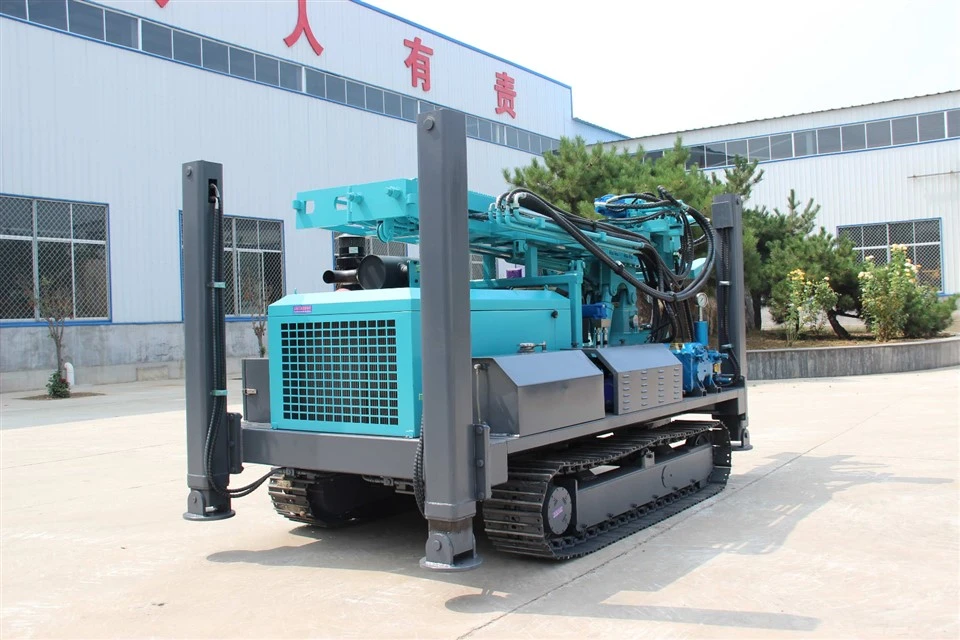

- Break-In Period: When you first purchase a new core drilling rig, it's important to follow the manufacturer's break-in procedures. This typically involves running the rig at reduced speeds and loads for the first few hours of operation to allow the components to wear in properly.
- Storage: If you're not going to be using your rig for an extended period, it's important to store it properly to prevent damage. This may include draining the fluids, lubricating the components, and covering the rig to protect it from the elements.
- Upgrades and Modifications: If you make any upgrades or modifications to your core drilling rig, it's important to have them inspected and approved by the manufacturer or a qualified technician. This will ensure that the modifications are safe and do not void the warranty.
Conclusion
In conclusion, the frequency of servicing your core drilling rig depends on several factors, including usage intensity, operating conditions, manufacturer's recommendations, and the age and condition of the rig. By following the general service intervals outlined in this blog post and the manufacturer's specific guidelines, you can keep your rig in top condition, improve its performance, and ensure the safety of your operators.
If you're in the market for a new core drilling rig or need help with servicing your existing one, we're here to assist you. We offer a wide range of Wireline Core Drilling Rig, Full Hydraulic Core Exploration Drilling Rig, and Geological Exploration Drilling Rig to meet your specific needs. Contact us today to learn more about our products and services and to discuss your requirements.
References
- Manufacturer's Owner's Manuals for Core Drilling Rigs
- Industry Standards and Best Practices for Core Drilling Rig Maintenance