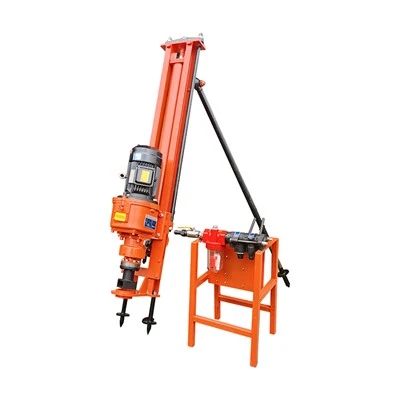
A pneumatic air leg rock drill is a powerful and efficient tool widely used in the mining, construction, and quarrying industries. As a leading supplier of pneumatic air leg rock drill, I am excited to share with you how this remarkable piece of equipment works.


The Basics of a Pneumatic Air Leg Rock Drill
At its core, a pneumatic air leg rock drill is a machine that uses compressed air to generate the force needed to drill into hard rock. It consists of two main components: the drill and the air leg. The drill is responsible for creating the hole, while the air leg provides the necessary support and pressure to keep the drill in place during operation.
The Drill Mechanism
The drill mechanism of a pneumatic air leg rock drill is a complex system that involves several parts working together to create the drilling action. Here's a step-by-step breakdown of how it works:
- Compressed Air Supply: The drill is powered by compressed air, which is typically supplied by an air compressor. The compressed air enters the drill through an air hose and is directed to the various components of the drill.
- Valve System: The compressed air first passes through a valve system, which controls the flow of air to different parts of the drill. The valve system allows the operator to start, stop, and control the speed and direction of the drill.
- Piston and Cylinder Assembly: Inside the drill, there is a piston and cylinder assembly. When the compressed air enters the cylinder, it pushes the piston forward, creating a powerful impact force. This impact force is transferred to the drill bit, which is attached to the end of the piston.
- Drill Bit Rotation: In addition to the impact force, the drill bit also rotates. This rotation is achieved through a gear system or a motor, depending on the design of the drill. The rotation of the drill bit helps to break up the rock and create a smooth hole.
- Flushing System: As the drill bit penetrates the rock, it creates dust and debris. To prevent the dust from clogging the drill bit and to keep the hole clean, the drill is equipped with a flushing system. The flushing system uses compressed air or water to flush the dust and debris out of the hole.
The Air Leg
The air leg is an important component of the pneumatic air leg rock drill. It provides the necessary support and pressure to keep the drill in place during operation. Here's how the air leg works:
- Air Cylinder: The air leg consists of an air cylinder, which is connected to the drill. When the compressed air enters the air cylinder, it pushes a piston inside the cylinder, extending the air leg.
- Support and Pressure: The extended air leg provides support to the drill, keeping it stable and in the correct position. The air leg also applies pressure to the drill, ensuring that the drill bit maintains contact with the rock surface.
- Adjustability: The air leg is adjustable, allowing the operator to set the desired angle and height of the drill. This adjustability is important for drilling holes at different angles and in various locations.
Advantages of Pneumatic Air Leg Rock Drills
Pneumatic air leg rock drills offer several advantages over other types of rock drills:
- Power and Efficiency: Pneumatic air leg rock drills are known for their high power and efficiency. The compressed air provides a powerful impact force, allowing the drill to penetrate hard rock quickly and easily.
- Portability: Pneumatic air leg rock drills are relatively lightweight and portable, making them easy to transport and use in different locations. They can be used in mines, construction sites, and quarries, where access may be limited.
- Versatility: Pneumatic air leg rock drills can be used for a variety of applications, including drilling holes for blasting, anchor bolts, and water wells. They can also be used in different types of rock, such as granite, limestone, and sandstone.
- Low Maintenance: Pneumatic air leg rock drills have a simple design and few moving parts, which makes them easy to maintain. They require minimal lubrication and can be easily repaired if necessary.
Applications of Pneumatic Air Leg Rock Drills
Pneumatic air leg rock drills are widely used in the following industries:
- Mining: In the mining industry, pneumatic air leg rock drills are used to drill holes for blasting, ore extraction, and ventilation. They are essential for underground mining operations, where space is limited and the rock is hard.
- Construction: In the construction industry, pneumatic air leg rock drills are used for drilling holes for foundation piles, anchor bolts, and concrete reinforcement. They are also used for demolition work, where they can quickly break up concrete and other hard materials.
- Quarrying: In the quarrying industry, pneumatic air leg rock drills are used to drill holes for blasting and extracting stone. They are used to create large holes for the extraction of granite, marble, and other types of stone.
- Water Well Drilling: Pneumatic air leg rock drills are also used for water well drilling. They can be used to drill holes in hard rock formations to access groundwater.
Related Products
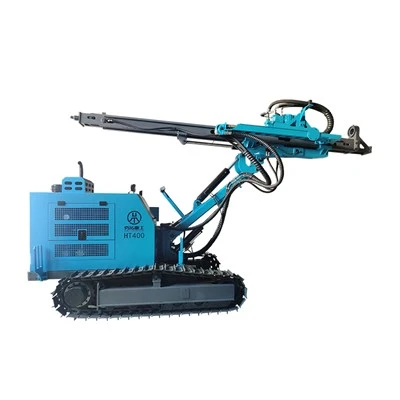
In addition to pneumatic air leg rock drills, we also offer a range of related products, including hand held rock drills and small down the hole drilling equipment. These products are designed to meet the specific needs of our customers and provide reliable and efficient performance.
Contact Us for Purchasing and Consultation
If you are interested in purchasing a pneumatic air leg rock drill or have any questions about our products, please do not hesitate to contact us. Our team of experts is ready to assist you in selecting the right equipment for your needs and providing you with the best possible service. We look forward to hearing from you and working with you to achieve your drilling goals.