As a professional DTH hammer supplier, I've witnessed firsthand the crucial role that valves play in the operation of DTH (Down-The-Hole) hammers. In this blog post, I will delve into the science behind how valves control the operation of a DTH hammer, exploring the different types of valves and their functions.
Understanding the Basics of DTH Hammers
Before we dive into the role of valves, let's briefly understand what a DTH hammer is and how it works. A DTH hammer is a specialized drilling tool used in various industries, including mining, construction, and geothermal exploration. It is designed to drill holes in hard rock formations by using compressed air to drive a piston that strikes a drill bit at the end of the hammer.
The basic components of a DTH hammer include the outer casing, piston, drill bit, and a valve system. The outer casing houses all the internal components and provides a protective barrier. The piston moves back and forth inside the casing, striking the drill bit with high force to break the rock. The drill bit is responsible for cutting through the rock, and the valve system controls the flow of compressed air to the piston.
The Role of Valves in a DTH Hammer
Valves are the heart of a DTH hammer's operation. They control the flow of compressed air into and out of the hammer, which in turn determines the movement of the piston and the striking force of the drill bit. There are two main types of valves used in DTH hammers: the distribution valve and the exhaust valve.
Distribution Valve
The distribution valve is responsible for directing the flow of compressed air to the appropriate chambers in the hammer to drive the piston. It operates in a cyclic manner, alternating the flow of air between the upper and lower chambers of the piston. When the distribution valve allows compressed air to enter the upper chamber, the piston is forced downward, striking the drill bit. As the piston moves downward, it compresses the air in the lower chamber. Once the piston reaches the bottom of its stroke, the distribution valve switches the air flow to the lower chamber. The compressed air in the lower chamber then pushes the piston back upward, preparing it for the next strike.
The design of the distribution valve is critical for the efficient operation of the DTH hammer. It must be able to open and close quickly and precisely to ensure a smooth and continuous cycling of the piston. Different types of DTH hammers may use different designs of distribution valves, depending on the specific requirements of the application.

Exhaust Valve
The exhaust valve plays a vital role in releasing the used air from the hammer after each stroke. As the piston moves back and forth, the air that has been used to drive the piston needs to be expelled from the hammer to make room for fresh compressed air. The exhaust valve opens at the appropriate time to allow the used air to escape, creating a pressure differential that helps to return the piston to its starting position.
The proper functioning of the exhaust valve is essential for maintaining the efficiency and performance of the DTH hammer. If the exhaust valve fails to open or close properly, it can lead to a build-up of pressure inside the hammer, reducing the striking force of the drill bit and potentially causing damage to the hammer.
Types of DTH Hammers and Their Valve Systems
There are several types of DTH hammers available on the market, each with its own unique valve system. The type of valve system used depends on factors such as the air pressure requirements, drilling depth, and the type of rock being drilled. Here are some common types of DTH hammers and their valve systems:
High Air Pressure DTH Hammer
A high air pressure dth hammer is designed to operate at high air pressures, typically ranging from 10 to 30 bar. These hammers are capable of delivering high striking forces, making them suitable for drilling in hard and dense rock formations. The valve system in a high air pressure DTH hammer is designed to handle the high pressures and ensure efficient air distribution. It often uses a more robust and precise valve design to withstand the high forces and maintain reliable operation.
Medium Air Pressure DTH Hammer
Medium air pressure dth hammer operate at air pressures between 5 and 10 bar. They are commonly used in applications where the rock is not as hard or dense, such as in construction and geothermal drilling. The valve system in a medium air pressure DTH hammer is designed to optimize the use of the available air pressure and provide a good balance between striking force and energy efficiency.
Cluster DTH Drilling Hammer
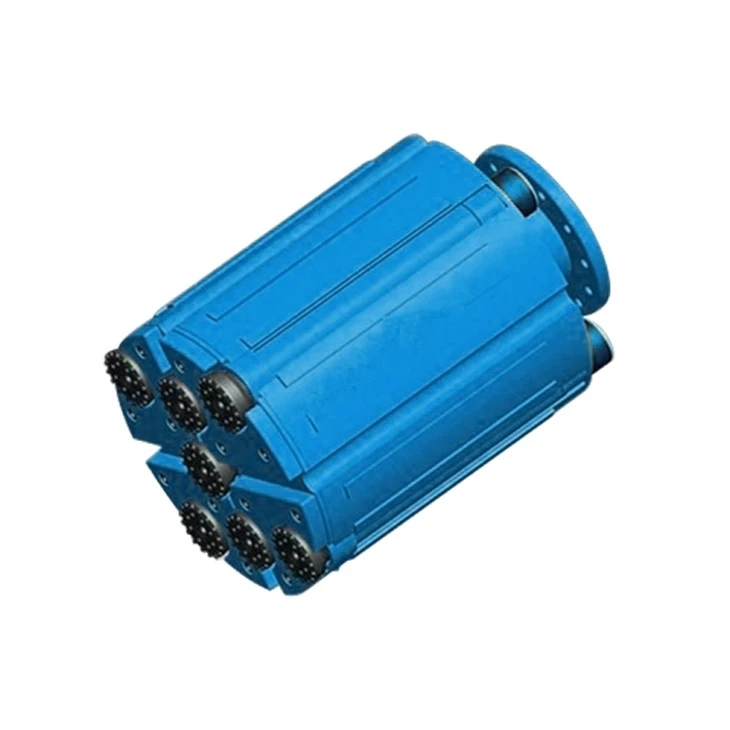
The Cluster DTH Drilling Hammer is a specialized type of DTH hammer that consists of multiple hammers working together in a cluster. This type of hammer is often used in large-scale drilling projects, such as foundation piling and quarrying. The valve system in a cluster DTH drilling hammer needs to coordinate the operation of multiple hammers to ensure synchronized and efficient drilling. It typically uses a more complex valve design that can control the air flow to each individual hammer.
Factors Affecting Valve Performance
Several factors can affect the performance of the valves in a DTH hammer. These factors need to be carefully considered to ensure the reliable and efficient operation of the hammer.
Air Quality
The quality of the compressed air used in the DTH hammer can have a significant impact on the valve performance. Contaminants such as dust, moisture, and oil can cause wear and damage to the valves, leading to reduced efficiency and increased maintenance requirements. It is essential to use a high-quality air filtration system to remove these contaminants and ensure clean air supply to the hammer.
Temperature and Pressure
The temperature and pressure of the compressed air can also affect the valve performance. High temperatures can cause the valves to expand, leading to increased friction and potential leakage. Similarly, extreme pressure variations can put stress on the valves and affect their ability to open and close properly. It is important to operate the DTH hammer within the recommended temperature and pressure ranges to ensure optimal valve performance.
Maintenance and Lubrication
Regular maintenance and lubrication are crucial for keeping the valves in good working condition. The valves should be inspected regularly for signs of wear and damage, and any worn or damaged parts should be replaced promptly. Lubrication helps to reduce friction and wear on the valves, ensuring smooth operation and extending their service life.
Conclusion
In conclusion, valves play a critical role in the operation of a DTH hammer. They control the flow of compressed air, which drives the piston and determines the striking force of the drill bit. Understanding how valves work and the factors that affect their performance is essential for ensuring the reliable and efficient operation of DTH hammers.
As a DTH hammer supplier, we offer a wide range of high-quality DTH hammers with advanced valve systems to meet the diverse needs of our customers. Whether you are looking for a high air pressure dth hammer, a medium air pressure dth hammer, or a Cluster DTH Drilling Hammer, we have the right solution for you.
If you are interested in learning more about our DTH hammers or have any questions about valve control in DTH hammers, please don't hesitate to contact us. We are here to help you find the best drilling solution for your project.
References
- Smith, J. (2018). Drilling Technology Handbook. Elsevier.
- Johnson, R. (2019). DTH Hammer Design and Operation. Wiley.
- Brown, A. (2020). Compressed Air Systems for Drilling Equipment. CRC Press.