In the world of drilling, understanding the differences between various types of drill bits is crucial for achieving optimal results. As a seasoned drilling bits supplier, I've witnessed firsthand the impact that the right drill bit can have on a project's success. Today, I'll delve into the distinctions between a center drill and a regular drill bit, shedding light on their unique features, applications, and advantages.
Understanding the Basics
Let's start by defining what a center drill and a regular drill bit are. A center drill is a specialized tool designed to create a conical hole at the center of a workpiece. This hole serves as a guide for subsequent drilling operations, ensuring that the drill bit enters the material accurately and without wandering. Center drills typically have a shorter shank and a more precise tip angle compared to regular drill bits.
On the other hand, a regular drill bit is a general-purpose tool used for creating holes in a variety of materials, including metal, wood, plastic, and concrete. Regular drill bits come in a wide range of sizes and shapes, each designed for specific applications. They are typically longer and have a more aggressive cutting edge than center drills.
Key Differences
Now that we have a basic understanding of what a center drill and a regular drill bit are, let's explore the key differences between them.
Design and Geometry
One of the most significant differences between a center drill and a regular drill bit is their design and geometry. Center drills have a unique two-flute design with a conical tip that tapers to a point. This design allows the center drill to create a precise starting point for drilling, reducing the risk of the drill bit wandering or deviating from the intended path.
Regular drill bits, on the other hand, come in a variety of designs and geometries, depending on the application. Some common types of regular drill bits include twist drill bits, spade drill bits, and Forstner drill bits. Twist drill bits are the most commonly used type of drill bit and have a helical flute design that helps to remove chips from the hole as it is drilled.
Cutting Edge
Another difference between a center drill and a regular drill bit is their cutting edge. Center drills typically have a less aggressive cutting edge than regular drill bits, as their primary function is to create a starting point for drilling rather than to remove large amounts of material. The less aggressive cutting edge of a center drill helps to prevent the drill bit from digging into the material and causing damage.

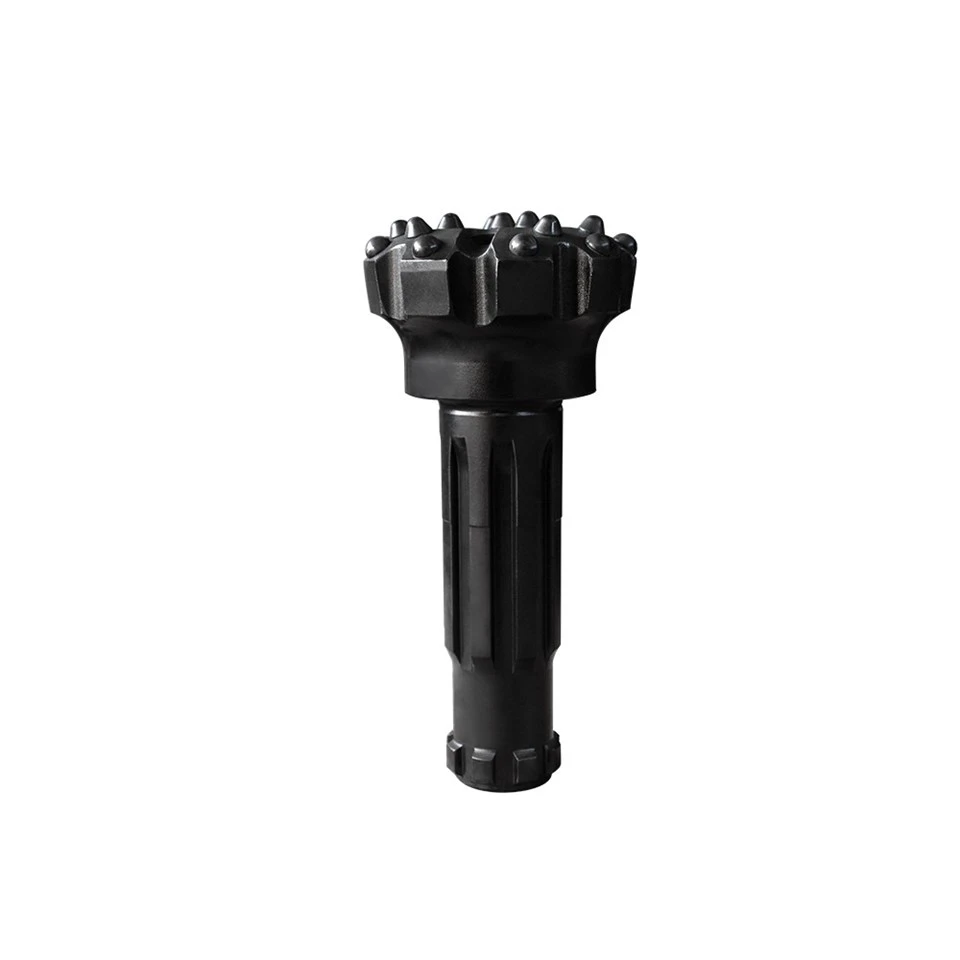
Regular drill bits, on the other hand, have a more aggressive cutting edge that is designed to remove material quickly and efficiently. The cutting edge of a regular drill bit is typically sharper and more pointed than that of a center drill, allowing it to penetrate the material more easily.
Applications
The differences in design and cutting edge between a center drill and a regular drill bit also make them suitable for different applications. Center drills are commonly used in metalworking and machining operations, where precision and accuracy are essential. They are used to create a starting point for drilling holes in shafts, bolts, and other cylindrical workpieces. Center drills are also used in woodworking to create a pilot hole for screws and other fasteners.
Regular drill bits, on the other hand, are used in a wide range of applications, including construction, woodworking, metalworking, and automotive repair. They are used to create holes in a variety of materials, including wood, metal, plastic, and concrete. Regular drill bits are available in a wide range of sizes and shapes, allowing them to be used for different applications.
Advantages of Using a Center Drill
While regular drill bits are versatile and can be used for a wide range of applications, there are several advantages to using a center drill in certain situations.
Precision and Accuracy
One of the main advantages of using a center drill is its ability to create a precise starting point for drilling. The conical tip of a center drill helps to guide the drill bit into the material accurately, reducing the risk of the drill bit wandering or deviating from the intended path. This results in more precise and accurate holes, which is essential in applications where precision is critical.
Reduced Risk of Damage
Another advantage of using a center drill is its ability to reduce the risk of damage to the workpiece. The less aggressive cutting edge of a center drill helps to prevent the drill bit from digging into the material and causing damage. This is particularly important when drilling into delicate or expensive materials, such as aerospace alloys or precious metals.
Improved Drill Bit Life
Using a center drill can also help to improve the life of your drill bits. By creating a precise starting point for drilling, a center drill reduces the amount of stress and wear on the drill bit, which can help to extend its lifespan. This can result in significant cost savings over time, as you won't have to replace your drill bits as frequently.
Advantages of Using a Regular Drill Bit
While center drills have their advantages, regular drill bits are still the go-to choice for many applications. Here are some of the advantages of using a regular drill bit.
Versatility
One of the main advantages of using a regular drill bit is its versatility. Regular drill bits are available in a wide range of sizes and shapes, allowing them to be used for different applications. They can be used to drill holes in a variety of materials, including wood, metal, plastic, and concrete. This makes them a popular choice for DIY enthusiasts, contractors, and professionals alike.
Speed and Efficiency
Regular drill bits are also known for their speed and efficiency. The more aggressive cutting edge of a regular drill bit allows it to remove material quickly and efficiently, reducing the time and effort required to drill a hole. This is particularly important in applications where time is of the essence, such as construction and manufacturing.
Cost-Effectiveness
Regular drill bits are generally more cost-effective than center drills. They are available in a wide range of prices, depending on the size, quality, and brand. This makes them a popular choice for budget-conscious consumers who need to drill holes on a regular basis.
Conclusion
In conclusion, understanding the differences between a center drill and a regular drill bit is essential for achieving optimal results in your drilling operations. While both types of drill bits have their advantages and disadvantages, they are designed for different applications and purposes. Center drills are ideal for creating a precise starting point for drilling, while regular drill bits are more versatile and can be used for a wide range of applications.
As a drilling bits supplier, we offer a wide range of high-quality drill bits, including PDC Bits, Pdc Drill, and Down The Hole Drill Bit. Whether you're a DIY enthusiast, a contractor, or a professional, we have the right drill bit for your needs.
If you're interested in learning more about our products or have any questions about drilling bits, please don't hesitate to contact us. We're here to help you find the right solution for your drilling needs and to provide you with exceptional customer service. Contact us today to start the procurement discussion and take your drilling projects to the next level.
References
- Machinery's Handbook, 31st Edition
- Drill Bit Handbook: A Guide to the Selection and Use of Drill Bits
- The Complete Guide to Drilling and Tapping