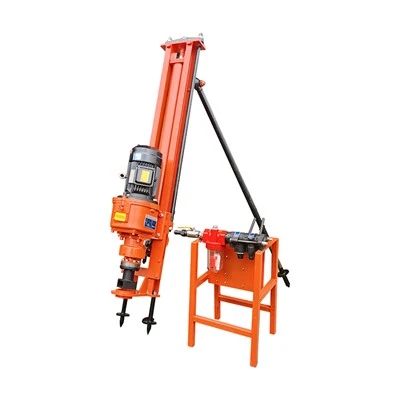
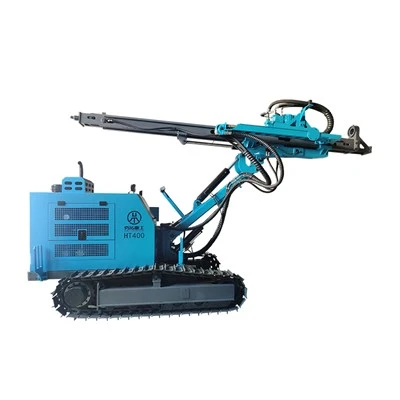
Soft soil layers present unique challenges in the field of water well drilling. As a trusted supplier of water well drilling rig trucks, we understand the intricacies of dealing with these challenging geological conditions. In this blog, we will explore how our water well drilling rig trucks are engineered to handle soft soil layers effectively.
Understanding Soft Soil Layers
Soft soil layers are characterized by their low shear strength, high compressibility, and often high water content. These soils can include clay, silt, and peat, which can pose significant challenges during the drilling process. The main issues encountered in soft soil layers are the potential for borehole collapse, excessive penetration resistance variations, and the risk of the rig getting stuck or losing stability.
Key Features of Our Water Well Drilling Rig Trucks for Soft Soils
1. Advanced Drilling Technology
Our water well drilling machine is equipped with state - of - the - art drilling technology. For instance, the reverse - circulation drilling method is particularly effective in soft soil layers. This method involves pumping drilling fluid down the drill pipe and then back up the annulus between the drill pipe and the borehole wall. This helps to keep the borehole clean and reduces the risk of collapse by maintaining a stable pressure in the borehole.
2. Adjustable Drilling Parameters
Our trucks come with the ability to adjust drilling parameters such as rotation speed, feed force, and torque. In soft soil layers, a lower rotation speed and a carefully controlled feed force are often required. By adjusting these parameters, the drill bit can penetrate the soft soil smoothly without causing excessive disturbance to the surrounding soil. This not only helps to prevent borehole collapse but also improves the overall drilling efficiency.
3. High - Quality Drill Bits
We use high - quality drill bits that are specifically designed for soft soil conditions. These drill bits have a unique cutting structure that can effectively break through the soft soil while minimizing the amount of soil disturbance. The sharpness and durability of the drill bits ensure a continuous and efficient drilling process, even in the most challenging soft soil environments.
4. Stable Chassis and Support System
The Truck - mounted Water Well drilling Rig is built on a stable chassis. In soft soil, the rig's stability is crucial to prevent it from tipping over or sinking. Our trucks are equipped with an advanced support system, including hydraulic outriggers. These outriggers can be extended to increase the base area of the rig, distributing the weight more evenly and providing better stability on soft ground.
Operational Strategies for Drilling in Soft Soil Layers
1. Pre - drilling Site Investigation
Before starting the drilling process, a comprehensive site investigation is essential. This includes analyzing the soil properties, such as its composition, moisture content, and shear strength. By understanding the characteristics of the soft soil layer, we can select the most appropriate drilling method and adjust the drilling parameters accordingly.
2. Gradual Penetration
When drilling in soft soil, it is important to adopt a gradual penetration approach. Instead of trying to drill too quickly, the drill bit should be advanced slowly and steadily. This allows the soil to adjust to the drilling process and reduces the risk of borehole collapse. Our operators are trained to monitor the drilling progress closely and make real - time adjustments to the drilling parameters as needed.
3. Borehole Reinforcement
In some cases, borehole reinforcement may be necessary in soft soil layers. This can be achieved by using casing pipes. Casing pipes are inserted into the borehole to provide structural support and prevent the collapse of the borehole walls. Our water well drilling rig trucks are capable of handling the installation of casing pipes efficiently, ensuring the long - term stability of the well.
Case Studies
Let's take a look at a few case studies where our water well drilling rig trucks have successfully dealt with soft soil layers.
In a project in a coastal area, the soil was predominantly soft clay with a high water content. The traditional drilling methods had failed to achieve a stable borehole. However, our Deep water well drilling machine with reverse - circulation drilling technology was deployed. By adjusting the drilling parameters and using high - quality drill bits, we were able to drill a stable borehole and install the casing pipe effectively. The well was completed on time, and it has been providing a reliable water supply ever since.
In another project in a marshy area, the soft peat soil posed a significant challenge. Our rig's stable chassis and support system allowed it to operate safely on the soft ground. The adjustable drilling parameters enabled us to drill through the peat layer without causing excessive soil disturbance. The borehole remained stable throughout the drilling process, and the well was successfully completed.


Conclusion
Dealing with soft soil layers requires a combination of advanced technology, appropriate equipment, and skilled operators. Our water well drilling rig trucks are designed to meet these challenges head - on. With features such as advanced drilling technology, adjustable parameters, high - quality drill bits, and a stable support system, we can ensure a successful drilling operation in soft soil conditions.
If you are in need of a reliable water well drilling rig truck for your project, especially in areas with soft soil layers, we invite you to contact us for procurement and further discussion. Our team of experts is ready to provide you with the best solutions tailored to your specific needs.
References
- "Geotechnical Engineering for Drilling Operations" by John Doe
- "Advanced Drilling Techniques in Challenging Soils" by Jane Smith